Author: Garrett Parrish

  • When Thoughtful Design Matters: A Bathroom Remodel Recognized by NARI

    When Thoughtful Design Matters: A Bathroom Remodel Recognized by NARI

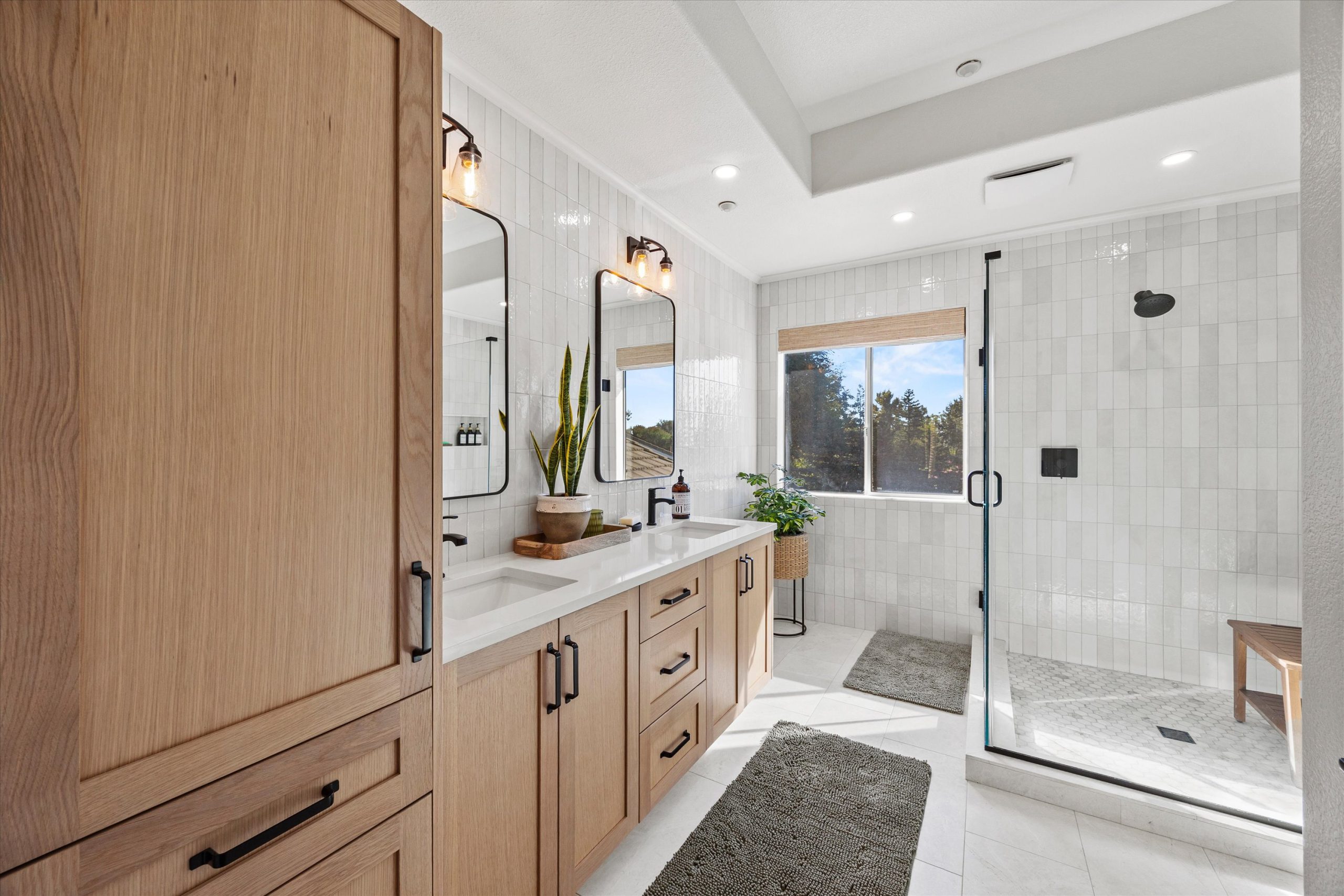
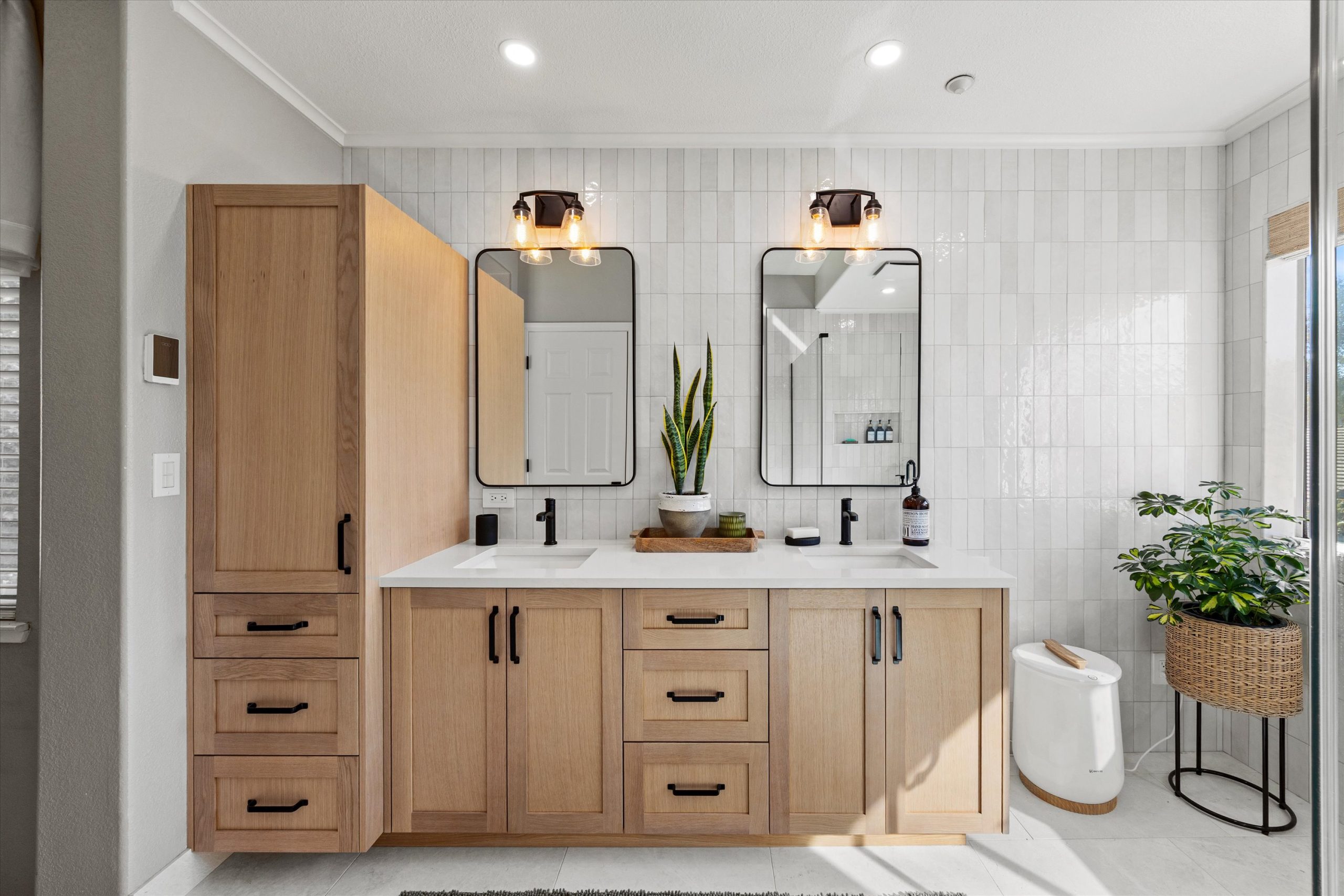
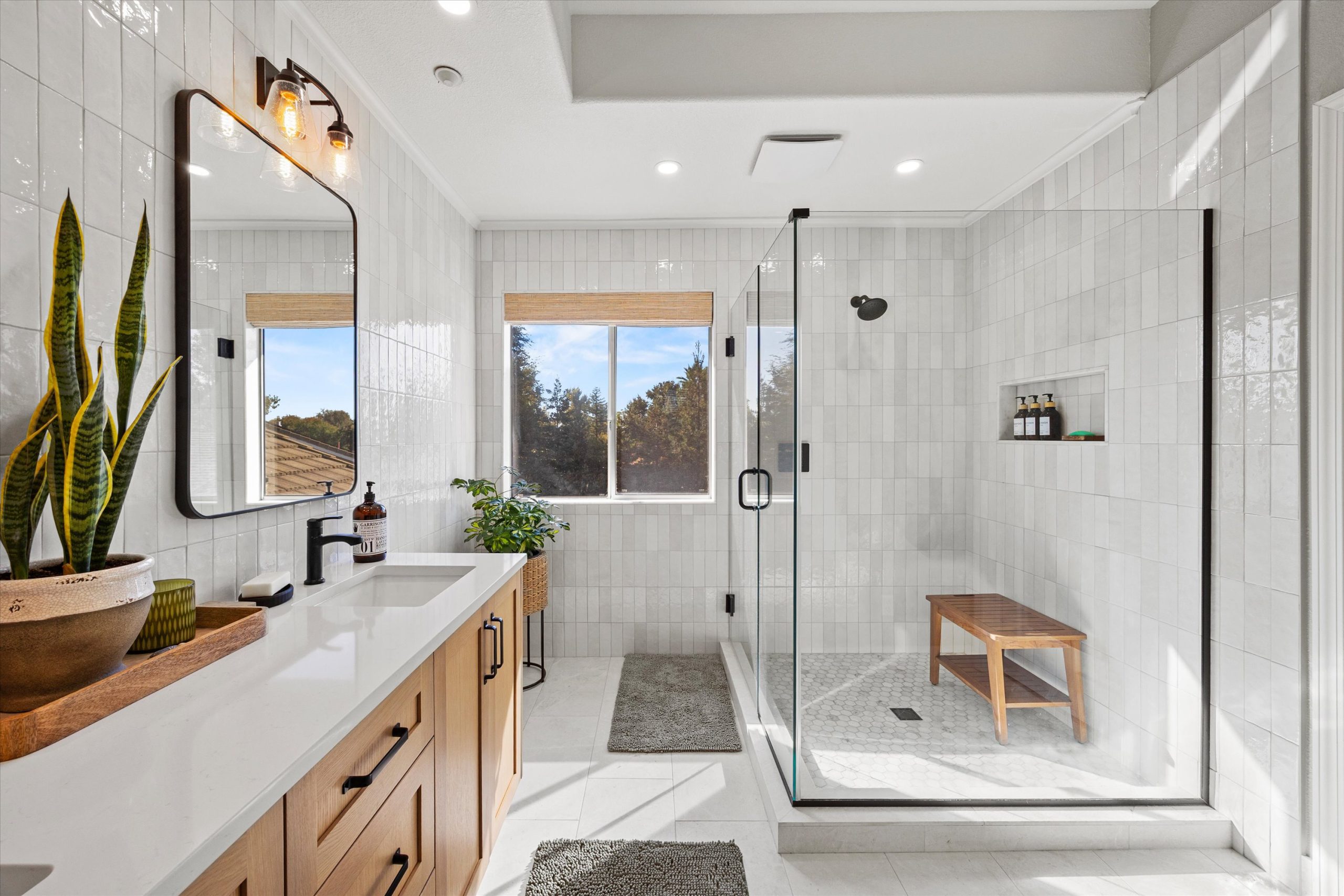
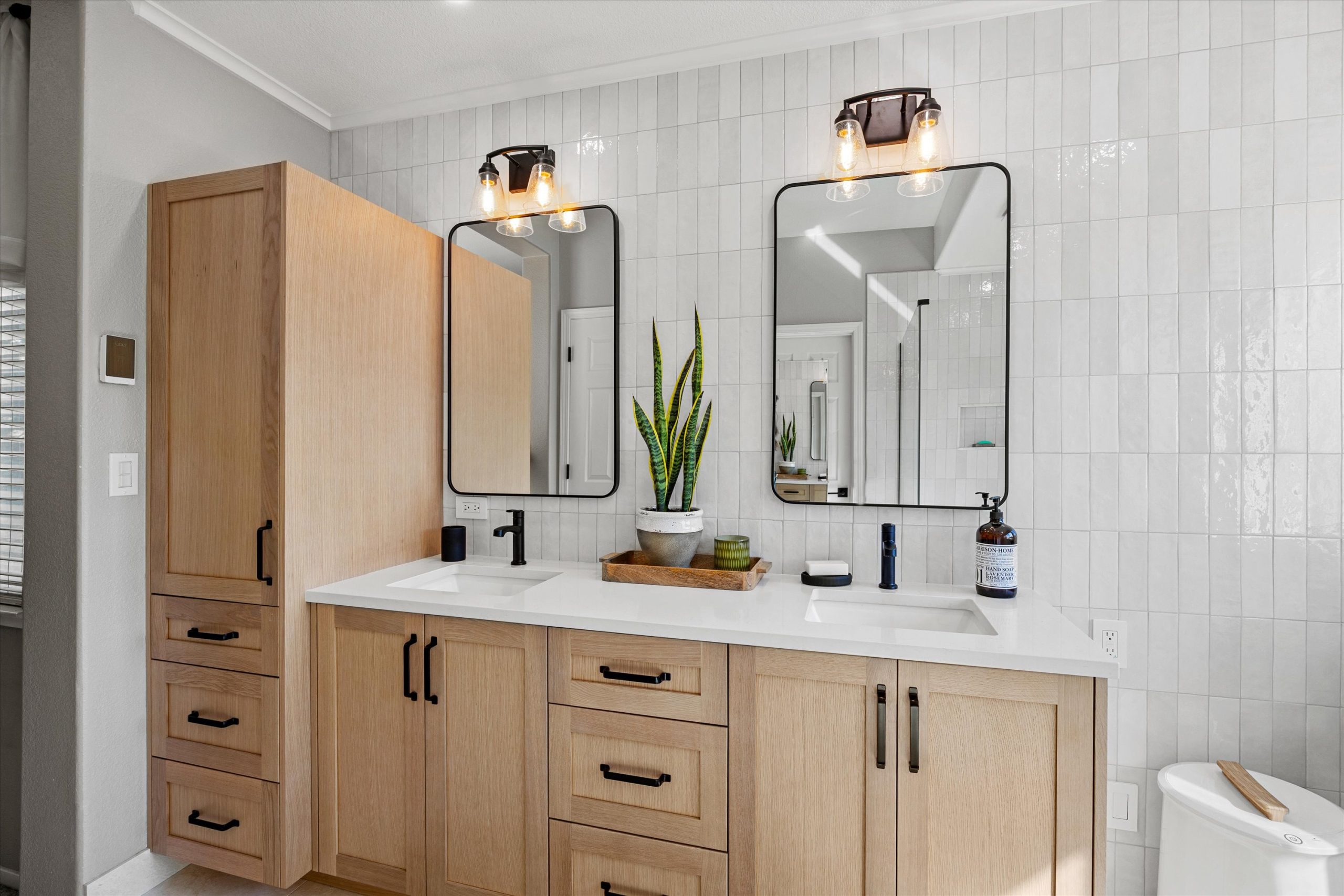
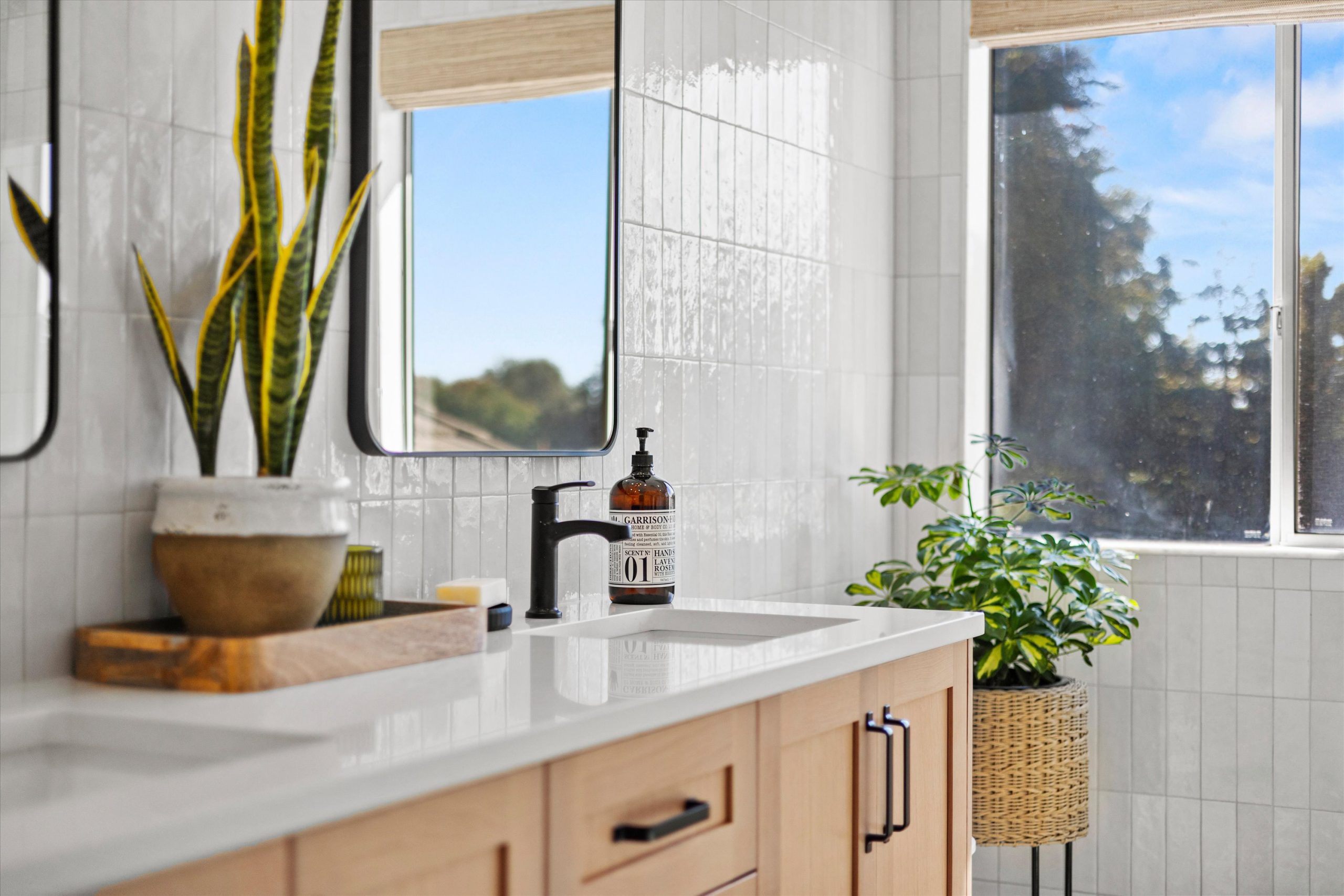
    Most remodeling awards don’t start with a trophy in mind. They start with a homeowner problem that needs to be solved well. This Sacramento-area bathroom remodel was no exception.

    Recently, one of our projects was recognized with a Remodeler of the Year Award from the National Association of the Remodeling Industry (NARI), in the category Residential Bath Under $40,000 for the Greater Sacramento Area. While we’re grateful for the recognition, what made this project special had far more to do with the decisions made along the way than the award itself.

    Project Highlights

    • Location: Sacramento Area, CA
    • Project Type: Primary Bathroom Remodel
    • Budget: $36,000
    • NARI Category: Residential Bath Under $40,000
    • Design Focus: Space efficiency, resale-aware upgrades, modern warmth
    • Timeline: 6 weeks
    • Recognition: 2025 NARI Remodeler of the Year – Greater Sacramento
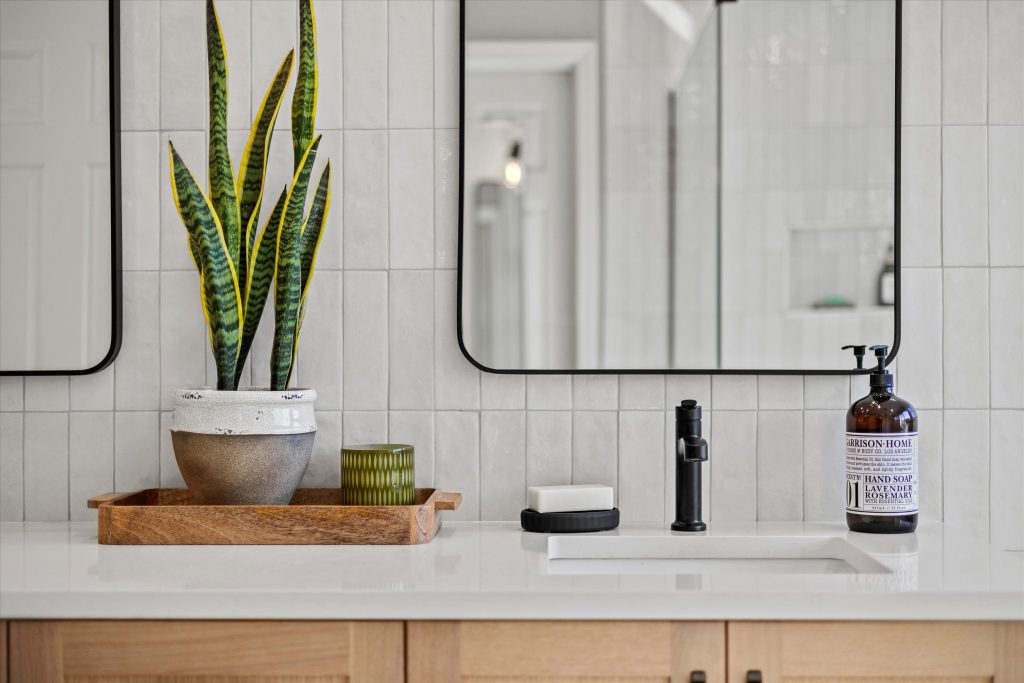
    NARI Award-winning bathroom remodel project highlights

    The Starting Point: A Bathroom at a Crossroads

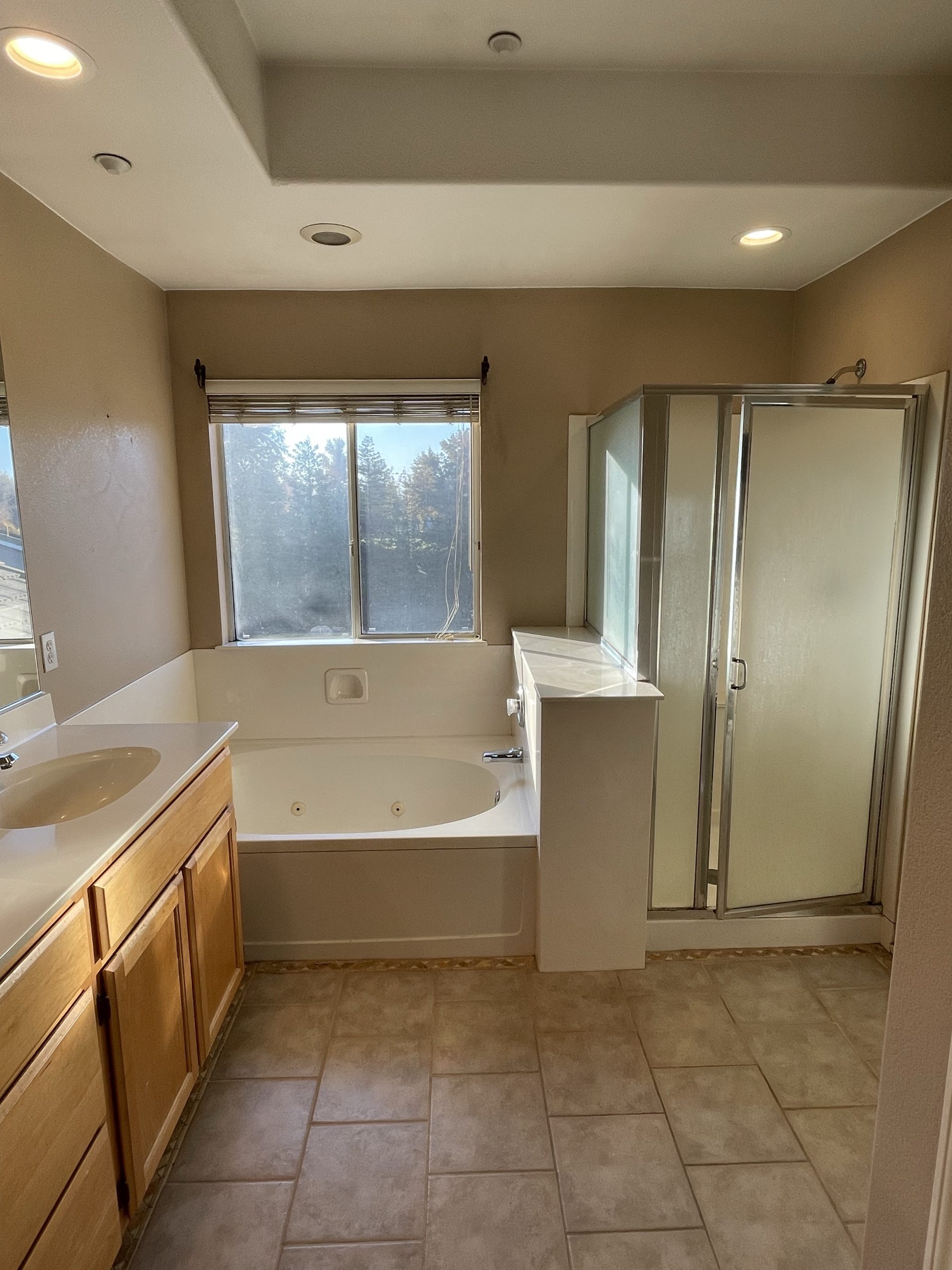
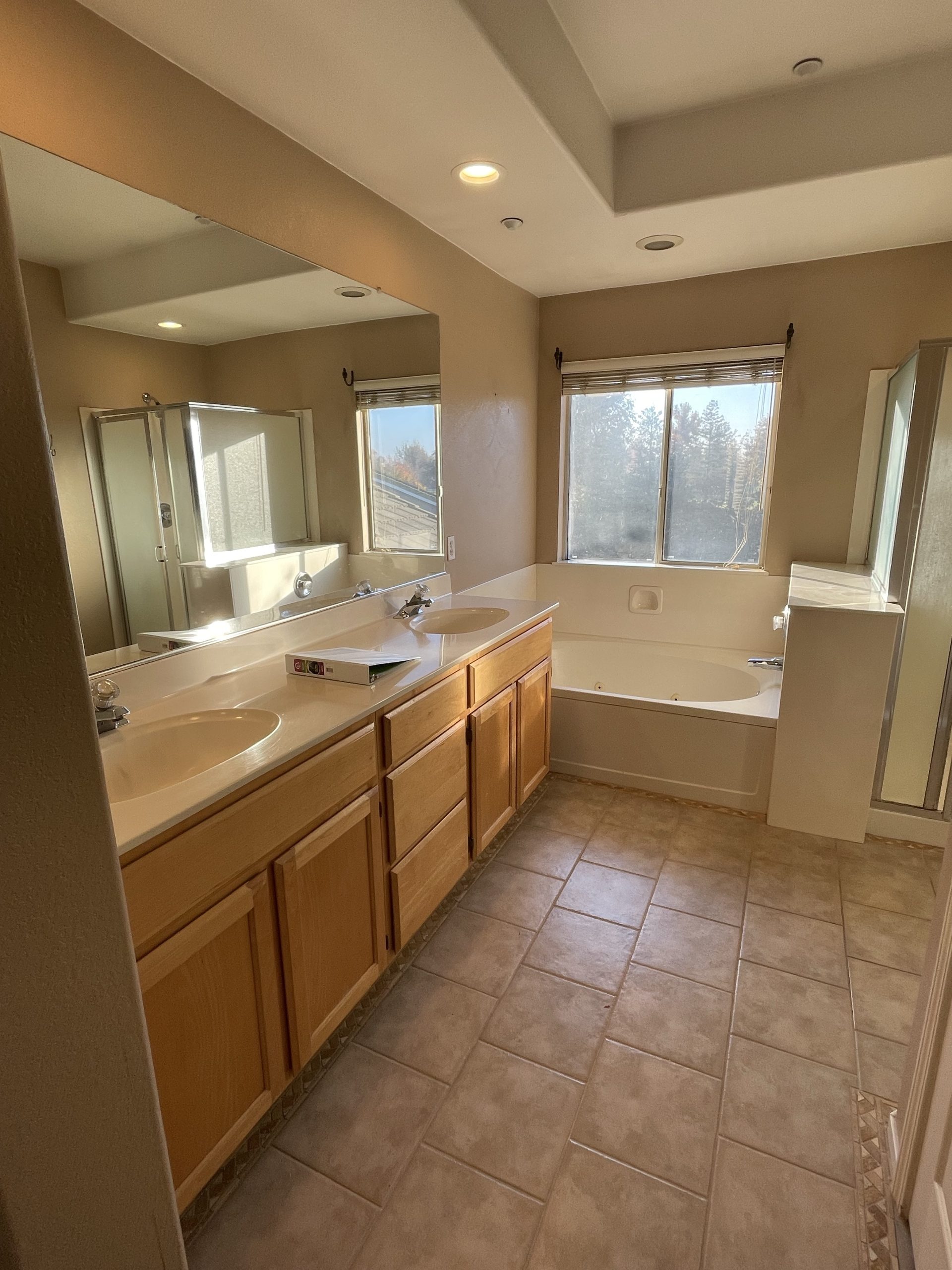
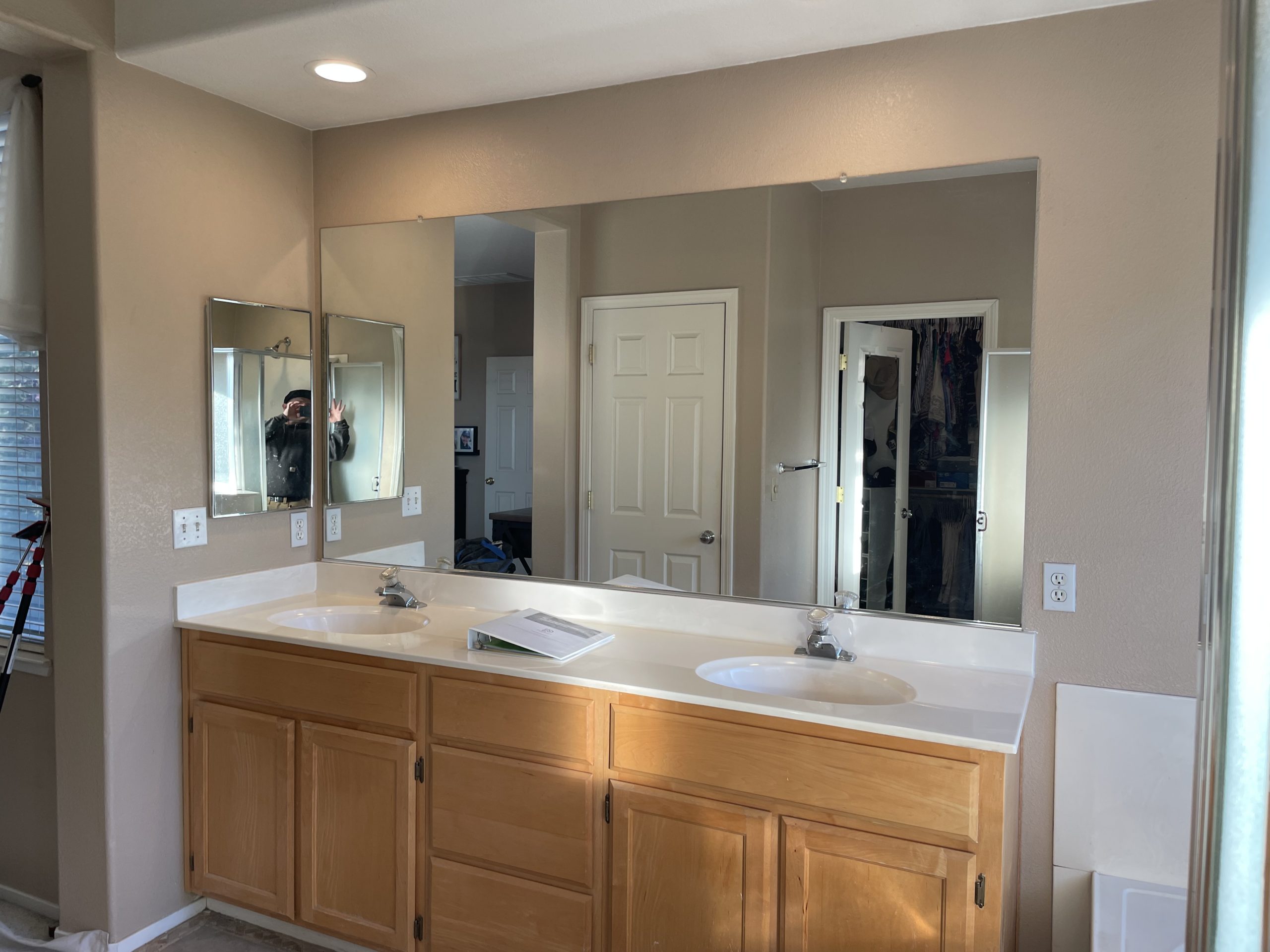
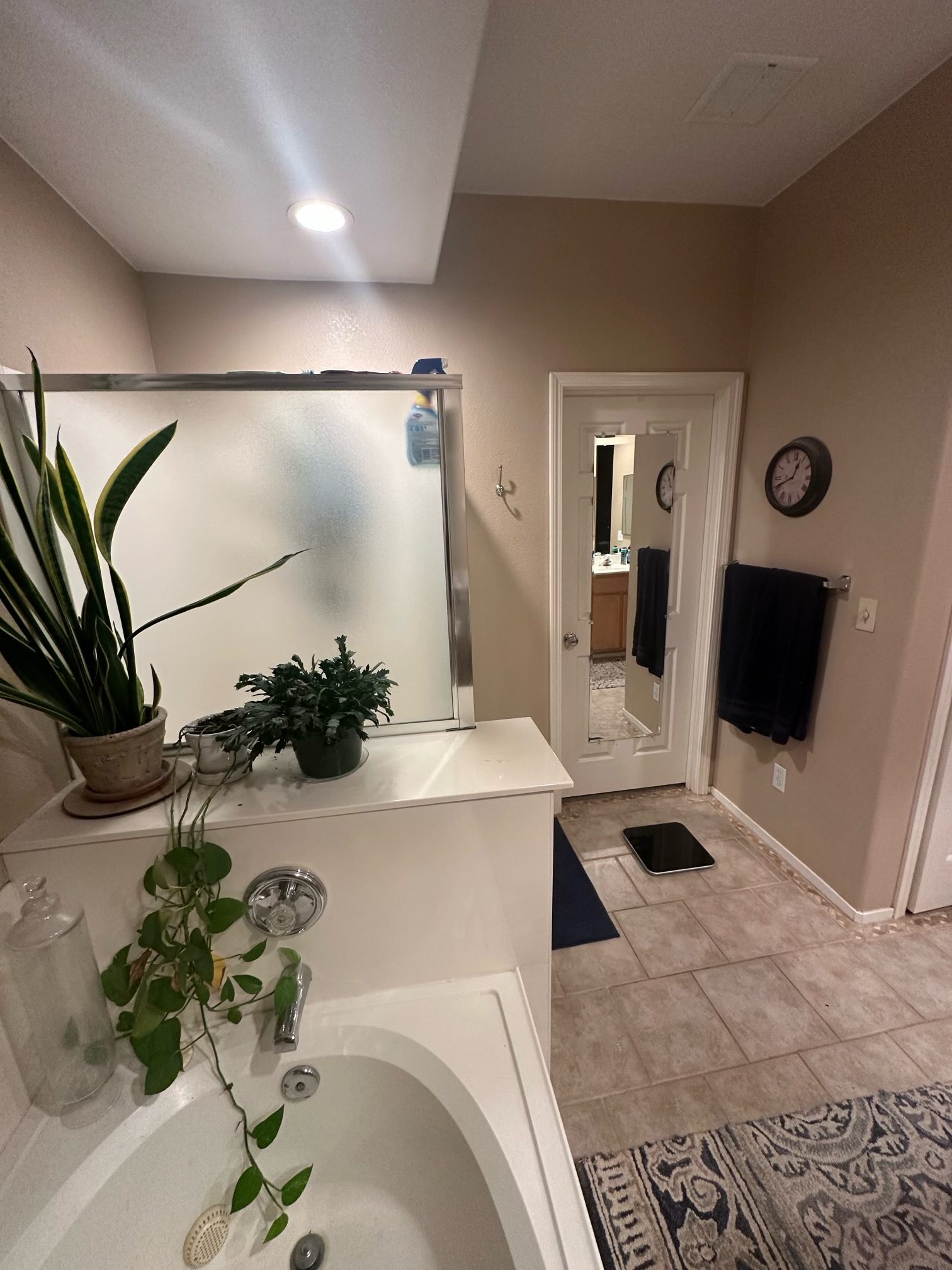
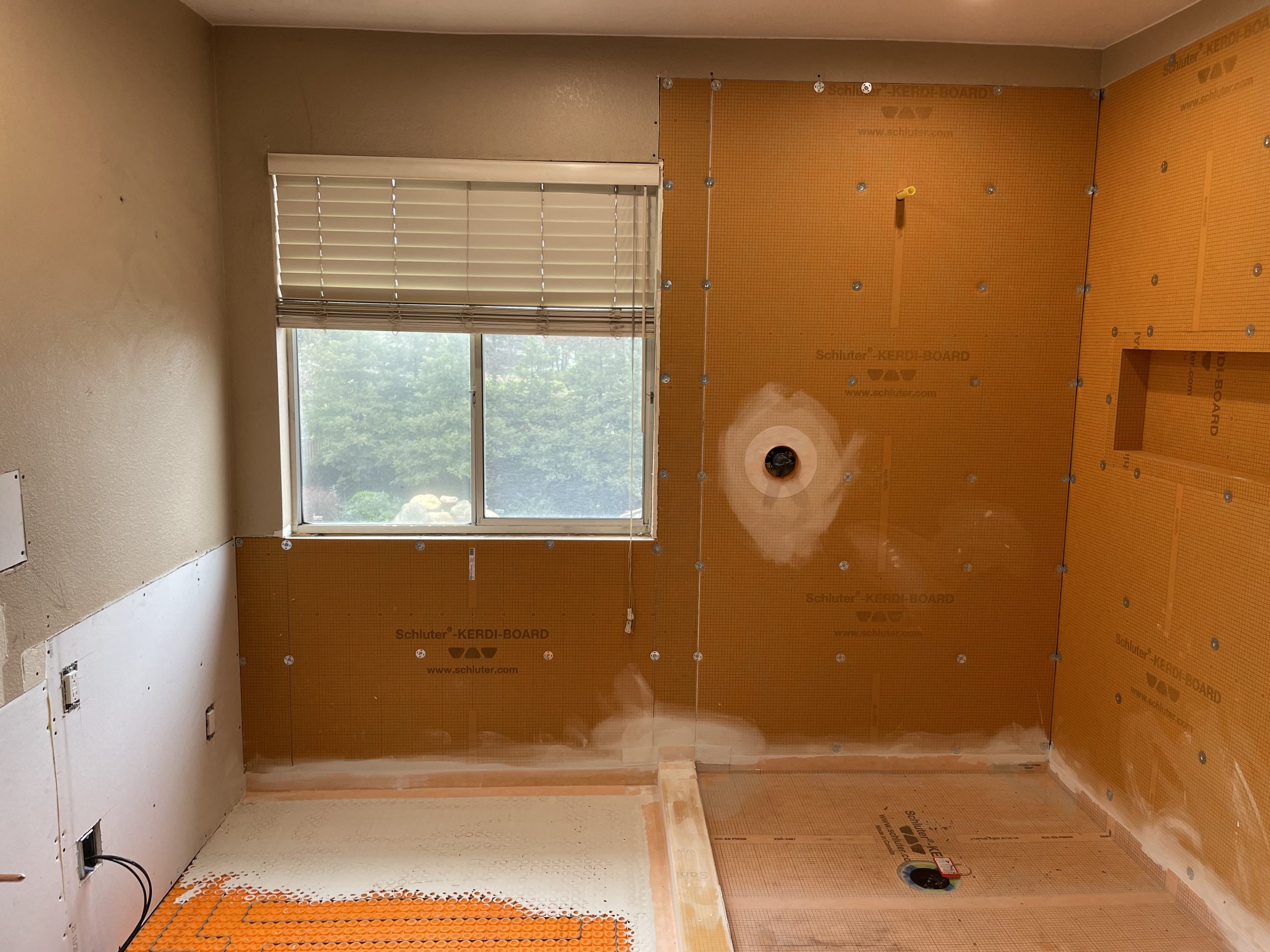
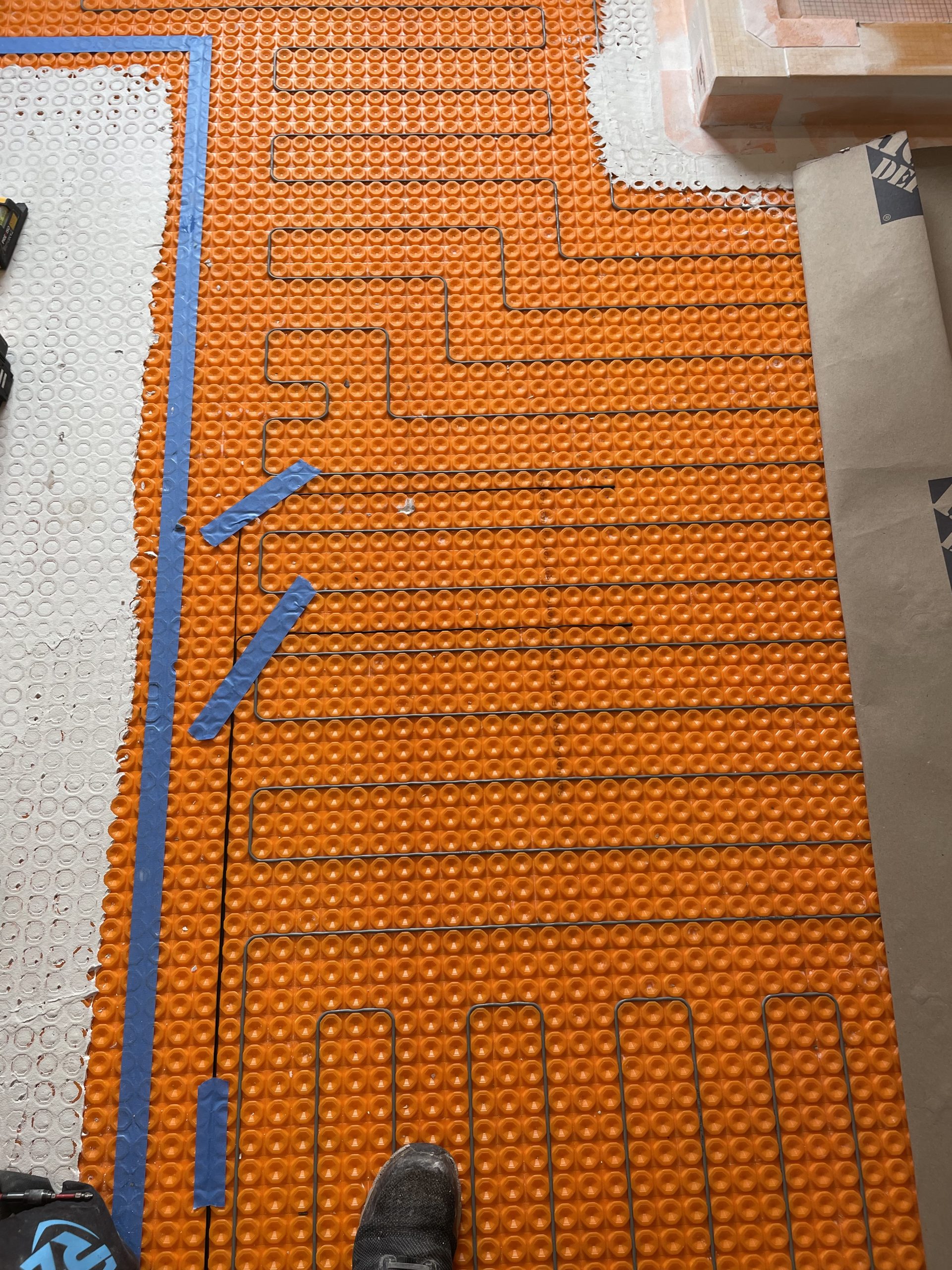
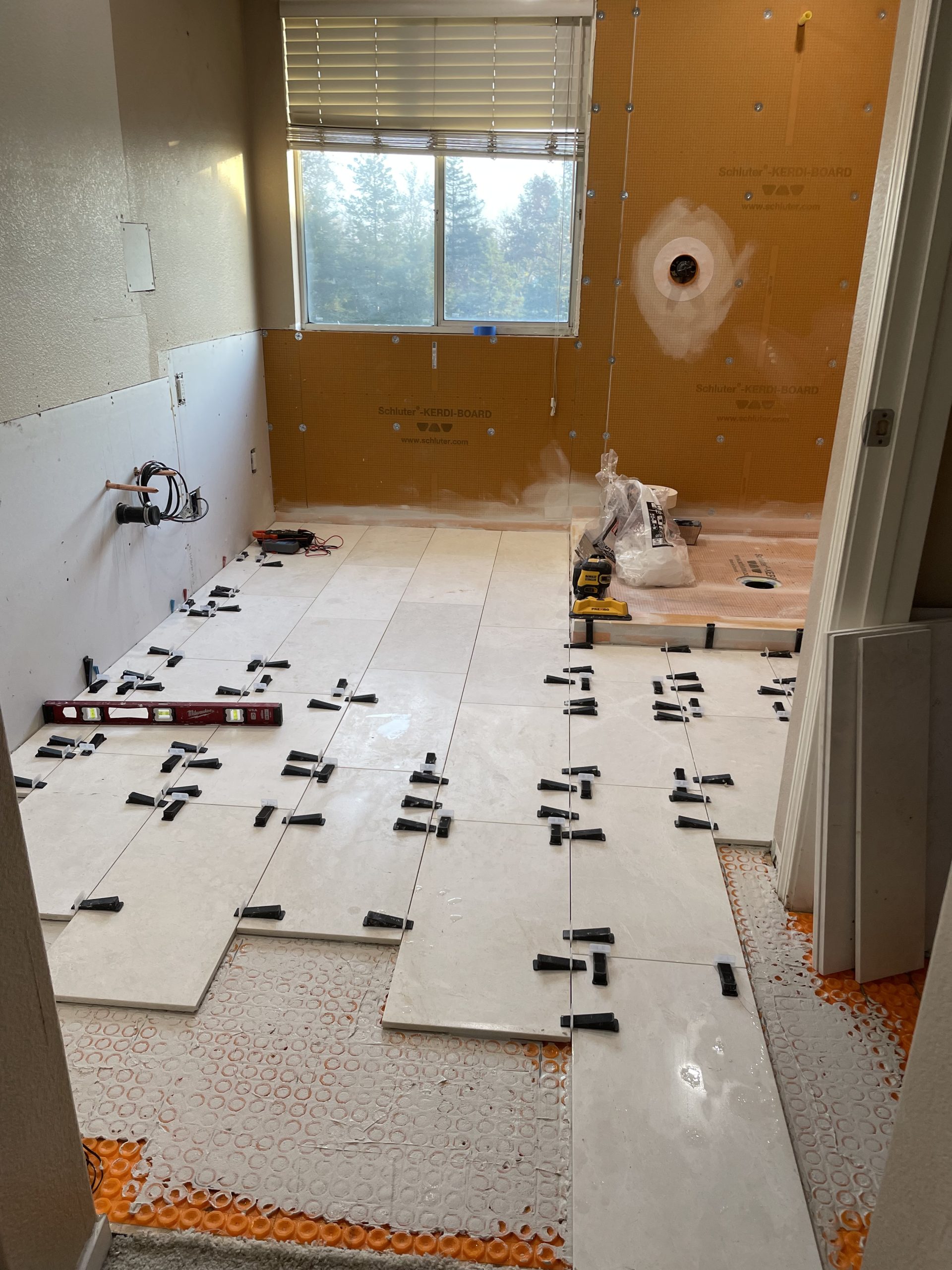
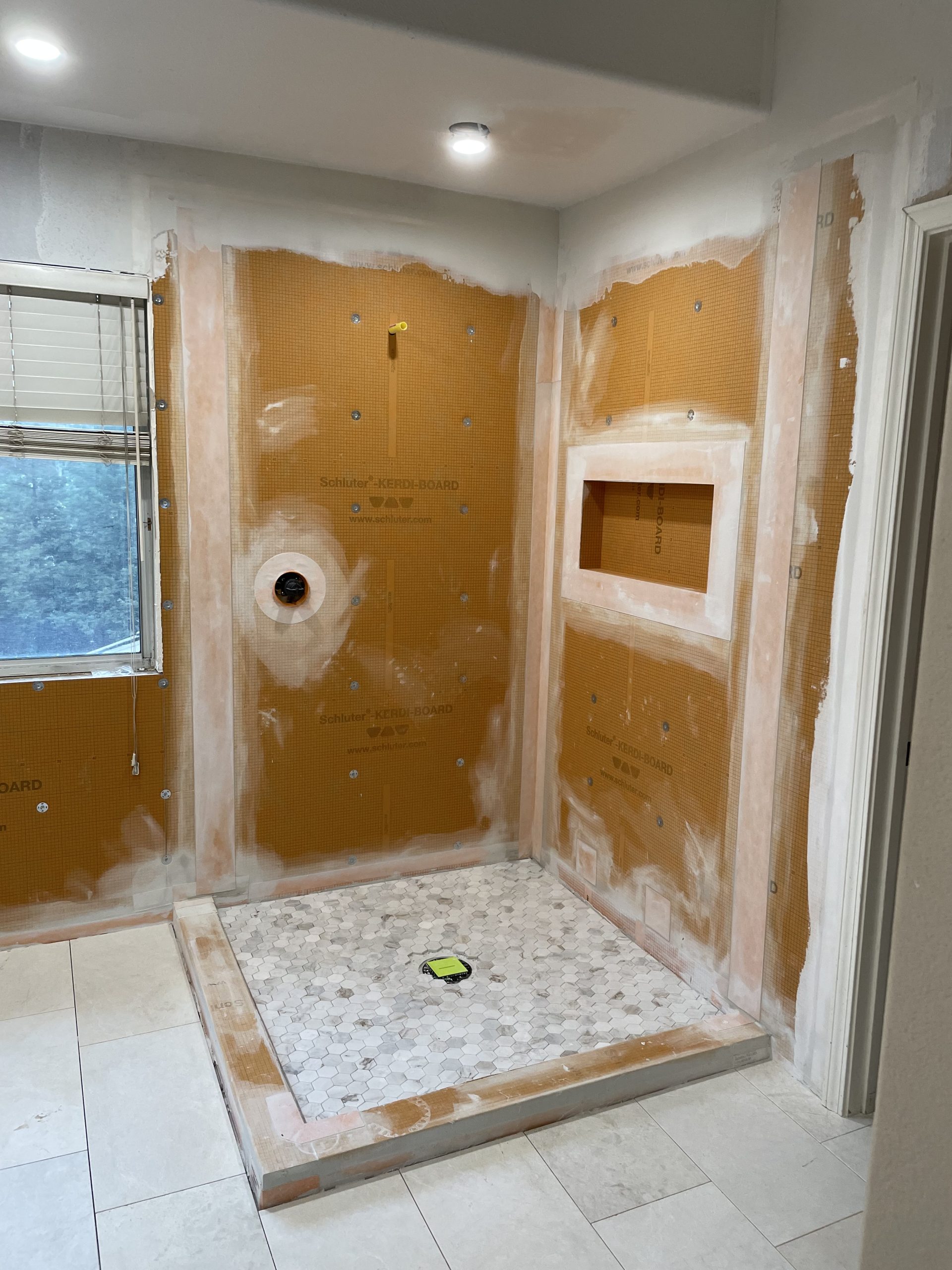
    The homeowners initially reached out after water damage was discovered behind their primary shower, extending into an adjacent closet. While the leak itself had already been repaired, the aftermath left exposed walls, missing finishes, and an opportunity to reassess the space as a whole.

    Like many Sacramento homeowners, they weren’t sure if this would be a “forever” remodel or a strategic update to improve comfort now and resale value later. That uncertainty became the foundation for how we approached the project.

    Establishing a Smart, Flexible Budget

    Rather than designing toward extremes, we worked with the homeowners to establish a $36,000 working budget that balanced durability, modern design, and neighborhood-appropriate investment.

    This budget aligned with what we consider an Enhanced Bathroom Remodel — a tier designed for Sacramento-area homes where thoughtful planning and finish selection can dramatically improve the space without unnecessary excess.

    Every design decision was filtered through three questions:

    1. Does this improve everyday usability?
    2. Does it elevate the look and feel of the bathroom?
    3. Does it make sense for this home and market?

    Design Decisions That Made the Difference

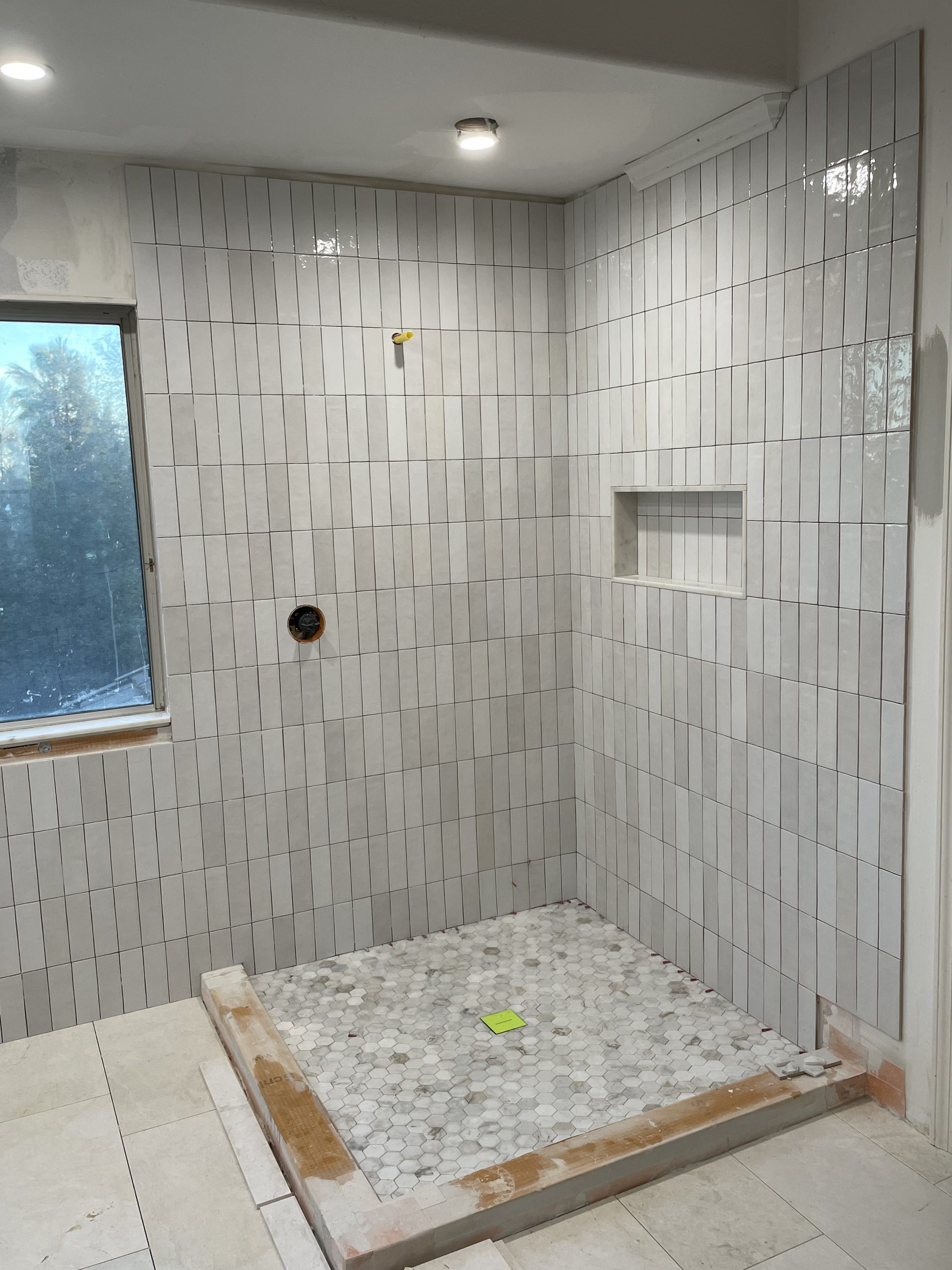
    With a compact footprint—approximately 60″ wide by 106″ deep—every inch mattered. Key upgrades included:

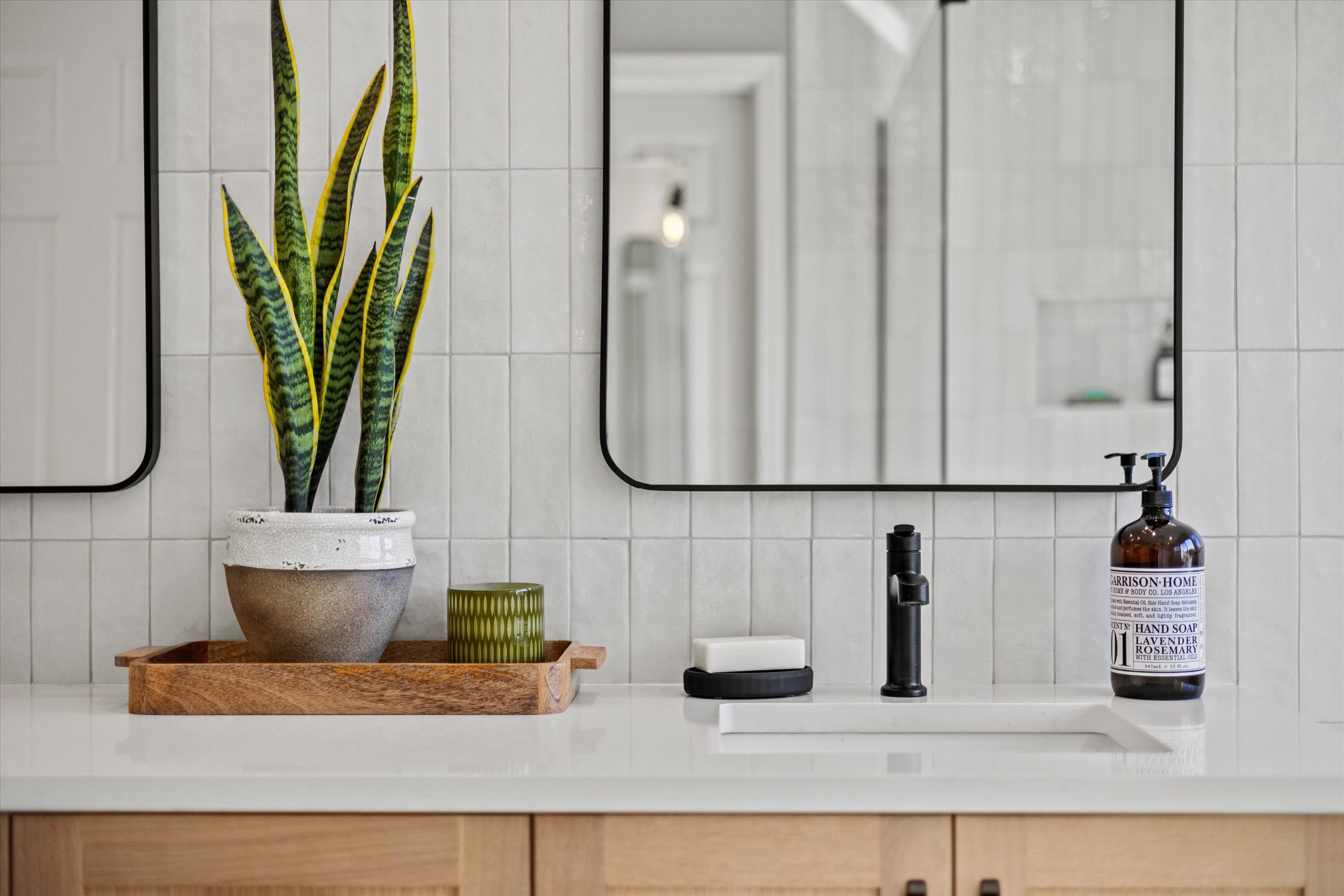
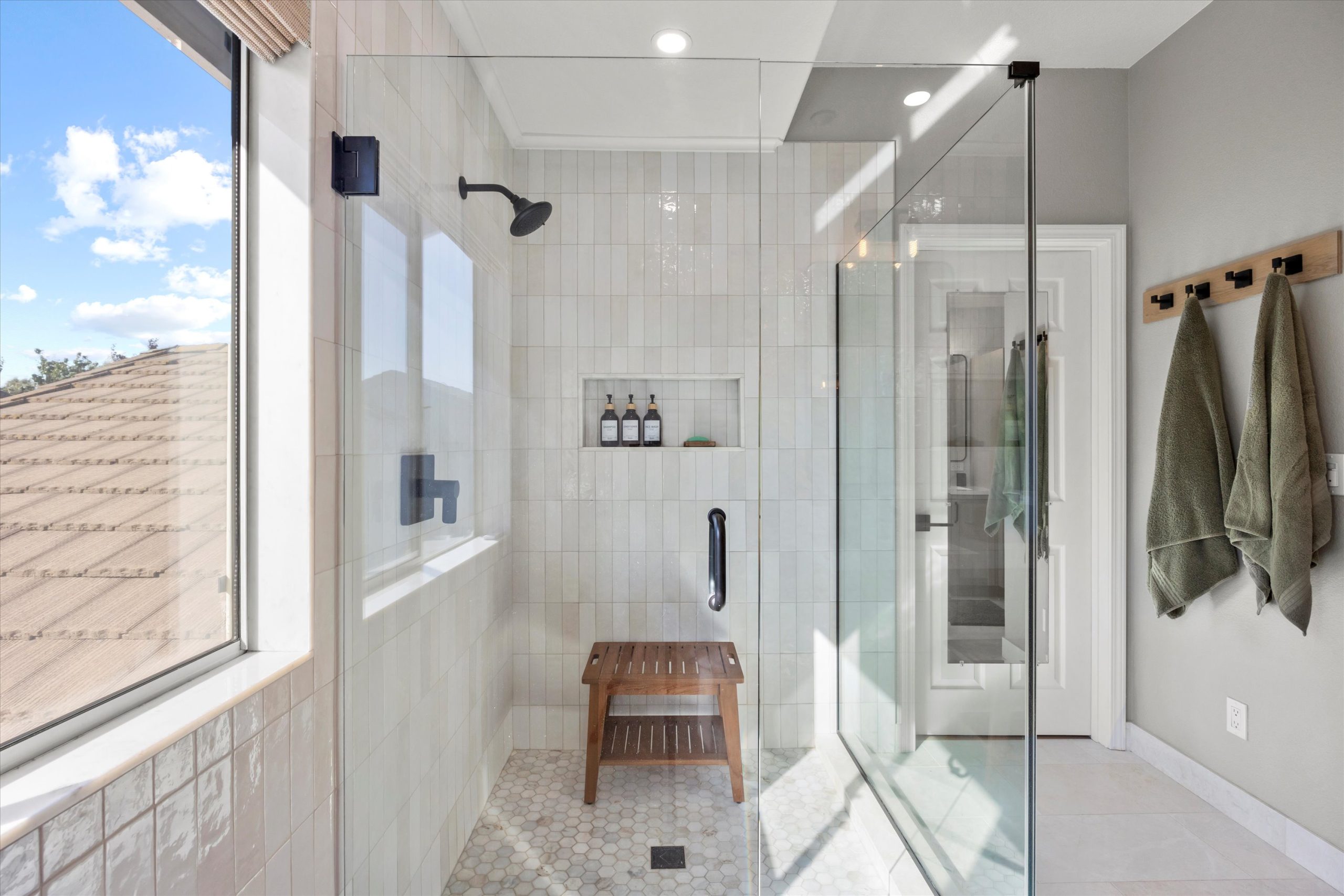
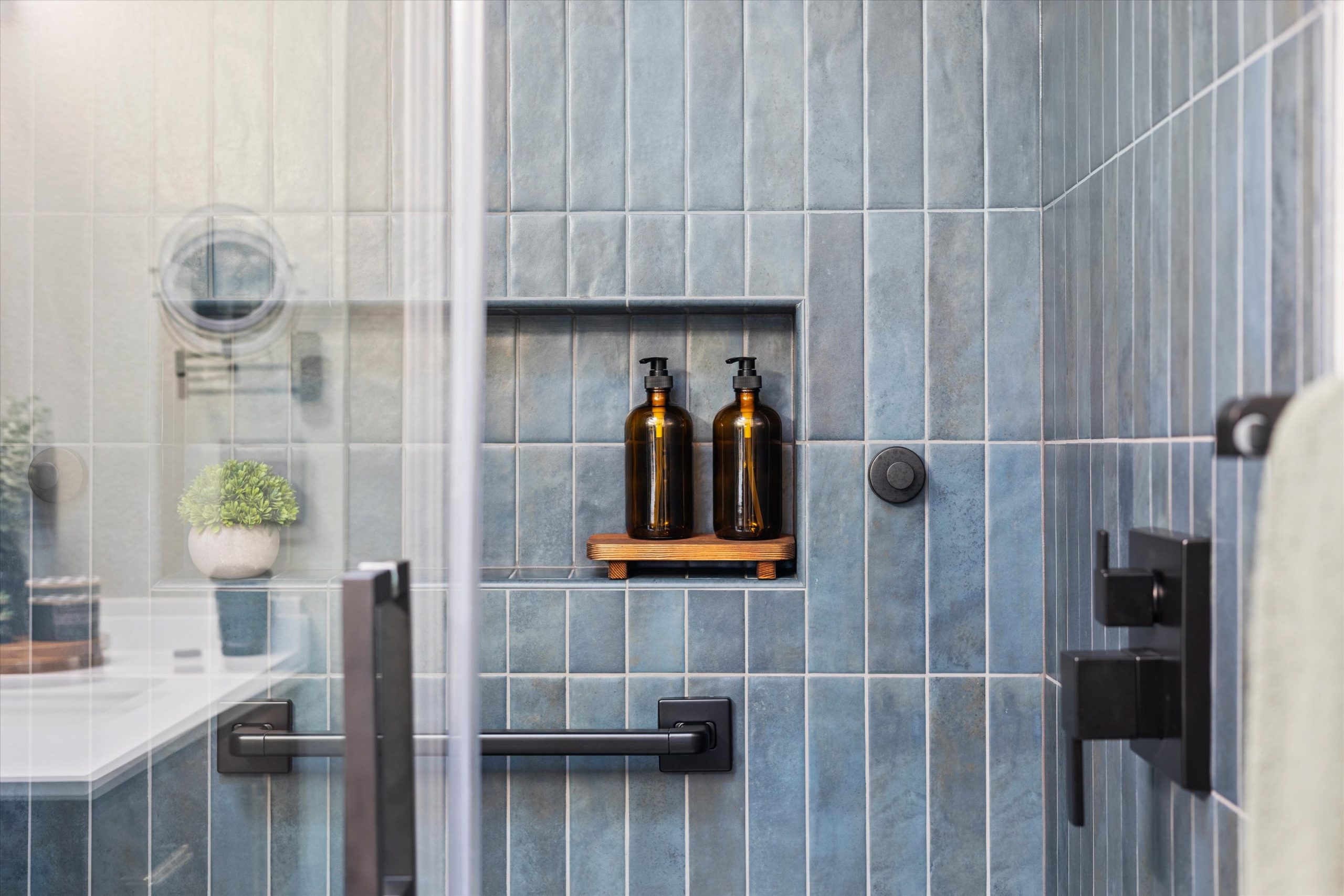
    • A low-profile, charcoal-toned prefabricated shower pan to maximize usable shower space
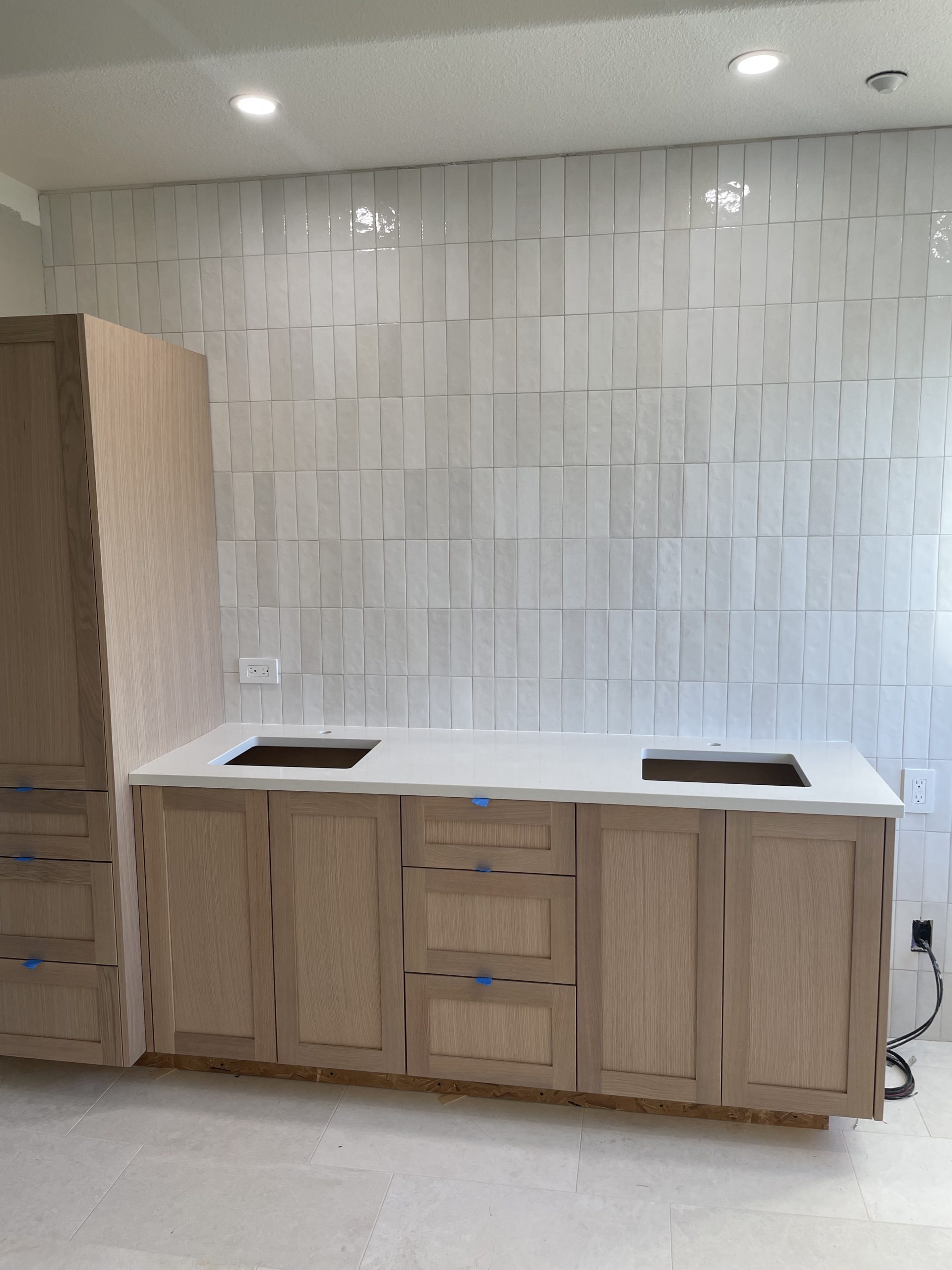
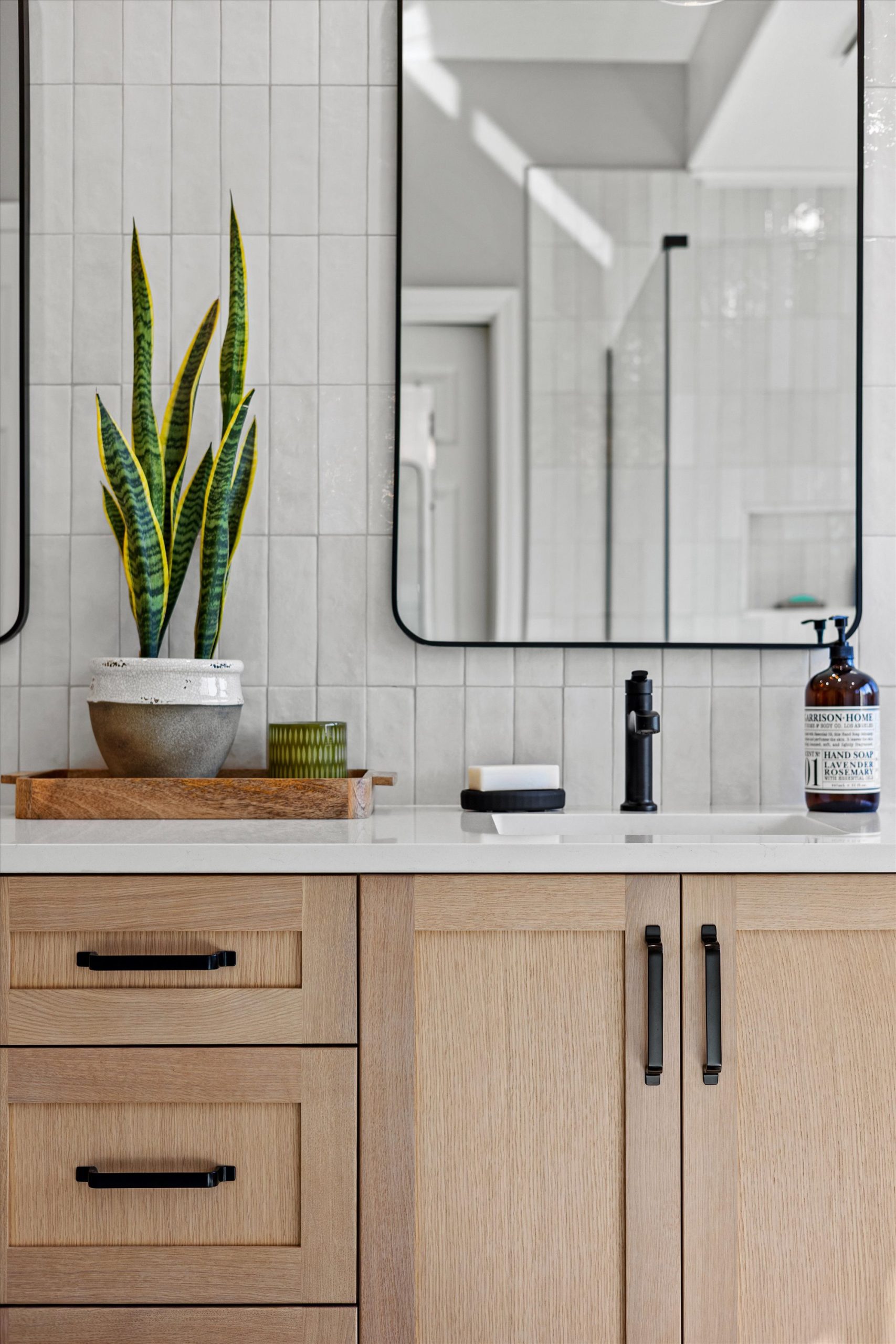
    • A 42″ walnut vanity with deep drawers and integrated power access for functional storage
    • A recessed, lighted medicine cabinet to add storage while maintaining a clean sightline
    • Carefully selected tile, lighting, and finishes to balance warmth, contrast, and longevity

    None of these choices were meant to steal attention on their own. Together, they created a bathroom that feels intentional, calm, and timeless.

    The Finished Result

    The completed bathroom feels larger, more functional, and visually grounded—without losing sight of the home’s overall value. Storage is improved, circulation is clearer, and the design feels current without chasing trends.

    Most importantly, the space now works for the homeowners today and makes sense for the future.

    Why This Sacramento Bathroom Remodel Was Recognized

    The NARI Remodeler of the Year awards are peer-reviewed, with projects evaluated on problem-solving, budget management, design execution, and craftsmanship.

    This project stood out not because it was the largest or most expensive bathroom remodel in Sacramento—but because it demonstrated how strong planning and disciplined decision-making can elevate a space within real-world constraints.

    What This Recognition Means to Us

    Awards are never the goal—but they matter when they reflect the values we bring to every bathroom remodel:

    • Clear communication
    • Thoughtful design
    • Respect for budget and context
    • Craftsmanship that lasts

    We’re proud of this recognition, and even more proud of the trust our clients place in us when remodeling one of the most important rooms in their home.

    If you’re considering a Sacramento bathroom remodel and want guidance on how to balance design, comfort, and long-term value, we’re always happy to start with a conversation.

  • How to Maximize ROI on a High-End Home Remodel

    How to Maximize ROI on a High-End Home Remodel

    Remodeling your home is about more than just updating finishes or refreshing outdated spaces—it’s an opportunity to invest in the long-term value of your property. For homeowners considering a high-end renovation, maximizing return on investment (ROI) is just as important as achieving a beautiful end result.

    Whether you’re planning to stay in your home for years or considering resale in the near future, a well-planned remodel can deliver both immediate enjoyment and lasting financial value. Here’s how to get the most out of your remodeling budget—without compromising on style or quality.

    What Does “ROI” Really Mean in Remodeling?

    When we talk about ROI in home remodeling, we’re usually referring to how much of your investment you can expect to recoup when you sell your home. But that’s only part of the picture.

    There’s also emotional ROI—the lifestyle improvements, daily functionality, and sense of pride you gain from living in a thoughtfully updated space. For most of our clients, the goal is to strike a balance between smart financial decisions and creating a home they truly love.

    High-ROI Projects for Upscale Homes

    Some remodels consistently deliver more value than others—especially when done with care, quality, and an eye for timeless design.

    Kitchen Remodels – Average ROI: 70–80%

    It’s no secret that kitchens are the heart of the home—and they’re also one of the best places to invest. Custom cabinetry, high-performance appliances, expanded layouts, and elegant finishes can dramatically enhance both function and resale appeal. Open-concept designs, oversized islands, and smart storage solutions are especially desirable in luxury homes.

    Bathroom Upgrades – Average ROI: 60–70%

    Bathrooms are another top ROI project, particularly primary suites and guest baths. Features like heated floors, walk-in showers, freestanding tubs, and double vanities create a spa-like experience that feels indulgent—but also adds real market value.

    Primary Suite Renovations – Average ROI: 55–65%

    Today’s buyers expect more than just a bedroom—they want a retreat. Creating a luxurious primary suite with a sitting area, large walk-in closet, and custom en suite bathroom is a strategic investment that appeals to high-end buyers and enhances your everyday life.

    Outdoor Living Spaces – Average ROI: 50–60%

    Especially in regions with mild climates, outdoor spaces can serve as valuable extensions of your living area. Think covered patios, outdoor kitchens, fireplaces, and well-integrated landscaping. These features are not only great for entertaining—they also photograph beautifully when it comes time to sell.

    Energy-Efficient Upgrades – Average ROI: 50–75%

    Upgrades like high-efficiency windows, added insulation, modern HVAC systems, and even solar panels can improve your home’s performance and appeal to energy-conscious buyers. Lower utility bills and better comfort are perks you’ll enjoy long before resale.

    Planning for ROI from the Start

    The key to maximizing ROI isn’t just in the finishes—it’s in the planning.

    Understand your home’s value in context. It’s important to remodel in line with your neighborhood. Overbuilding can limit your return, while under-investing might not give you the upgrade you need.

    Work with professionals who see the big picture. At Parrish Construction, we help clients navigate choices that balance beauty, function, and long-term value. It’s about knowing where to splurge and where to save without sacrificing quality.

    Design with longevity in mind. Trendy colors and materials can date quickly. Instead, we guide clients toward timeless design choices that stay relevant—and appealing—for years.

    Hidden ROI: More Than Just Money

    While resale value is important, don’t overlook the hidden returns that come from remodeling:

    • Peace of mind from knowing your home is built to last.
    • Daily enjoyment of living in spaces tailored to your lifestyle.
    • Pride of ownership in a home that reflects your taste and values.
    • Improved functionality that reduces stress and makes life easier.

    These benefits might not show up on a spreadsheet, but they’re often what our clients value most.

    How Parrish Construction Helps You Maximize ROI

    Every remodel we take on is approached with a sharp eye for detail, design, and long-term value. We work closely with our clients to understand their goals, lifestyle, and investment comfort zone—then guide them through a process that blends craftsmanship with smart decision-making.

    We don’t just build beautiful spaces—we build homes that make sense for today and tomorrow.

    Final Thoughts

    A high-end remodel is one of the most rewarding investments you can make in your home. By focusing on the right projects, planning with intention, and working with a skilled, experienced contractor, you can create a space that elevates your lifestyle and delivers real value.

    Ready to invest in your home’s future? Contact Parrish Construction Inc. to start a conversation about your next remodeling project.

  • Hot Take: 10 Reasons to Hire a Contractor Instead of “DIYing” It

    Hot Take: 10 Reasons to Hire a Contractor Instead of “DIYing” It

    DIY projects can be incredibly rewarding. There’s a certain pride that comes from building something with your own hands and for smaller home updates, it can absolutely make sense. But when it comes to bigger renovations, complex systems, or anything that affects the long-term value of your home, it’s worth considering the advantages of bringing in a professional. That’s why I want to give you 10 reasons why hiring a contractor might just be the smartest move for your next home project so you can decide for yourself if DIYing is worth it.

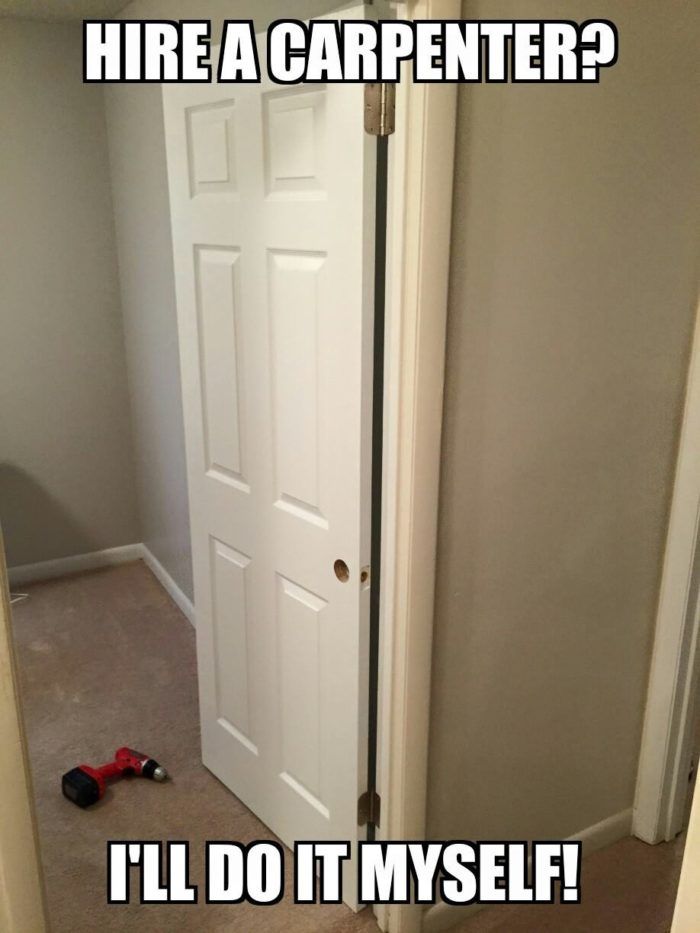
    Humorous meme showing a DIY door repair attempt gone wrong with text Hire a Carpenter and I will Do It Myself
    Perfect!

    10 Reasons to Hire a Contractor

    Contractors Bring Years of Hands-On Experience

    What might be new territory for a homeowner is often something a contractor has done dozens (or hundreds) of times. That depth of experience helps prevent costly mistakes and keeps the project moving smoothly.

    DIY Can Be More Expensive Than It Looks

    It’s easy to underestimate the cost of tools, materials, and “do-overs.” Contractors often get better pricing, waste less, and already have the equipment on hand which saves you money in the long run.

    Safety Isn’t Something to Wing

    From ladder work to electrical wiring to structural changes, some home improvement projects come with real safety risks. Contractors are trained to work within those risks safely and they’re insured if something goes wrong.

    Codes & Permits Can Be Complicated

    Navigating local building codes and permit requirements can be tricky. Contractors know what’s needed to stay compliant, pass inspections, and avoid surprises down the line.

    Specialized Tools = Extra Costs

    If you’ve ever started a project and realized halfway through that you need a $200 tool you’ll never use again… you’re not alone. Contractors come with the tools and know-how to use them efficiently.

    Professional contractor using the Dewalt 20V Max Grabo Lifter to install shower glass panel
    Using the Dewalt 20V Max Grabo Lifter to install shower glass

    Quality Craftsmanship Lasts Longer

    There’s nothing wrong with doing a good-enough job yourself, but contractors are trained to deliver work that holds up over time and looks polished. That matters for resale value, daily function, and long-term satisfaction.

    Time Is a Major Factor

    Even the most motivated DIYer is still juggling jobs, family, and a social life. A contractor can dedicate full-time focus to the project, keeping things moving forward without dragging into “someday” territory.

    You Get Accountability

    Working with a licensed contractor means you have a clear agreement, defined timelines, and someone who’s responsible for the results. It’s peace of mind that’s hard to put a price on.

    Less Stress, Fewer Surprises

    Coordinating trades, sourcing materials, and solving mid-project challenges takes a lot of mental bandwidth. Contractors handle all of that—so you don’t have to play project manager after work or on your weekends.

    It’s an Investment in Peace of Mind

    Hiring a professional doesn’t mean you’re giving up control—it means you’re prioritizing quality, safety, and long-term value. Your home is one of your biggest investments, and sometimes the best way to care for it is to trust the experts.

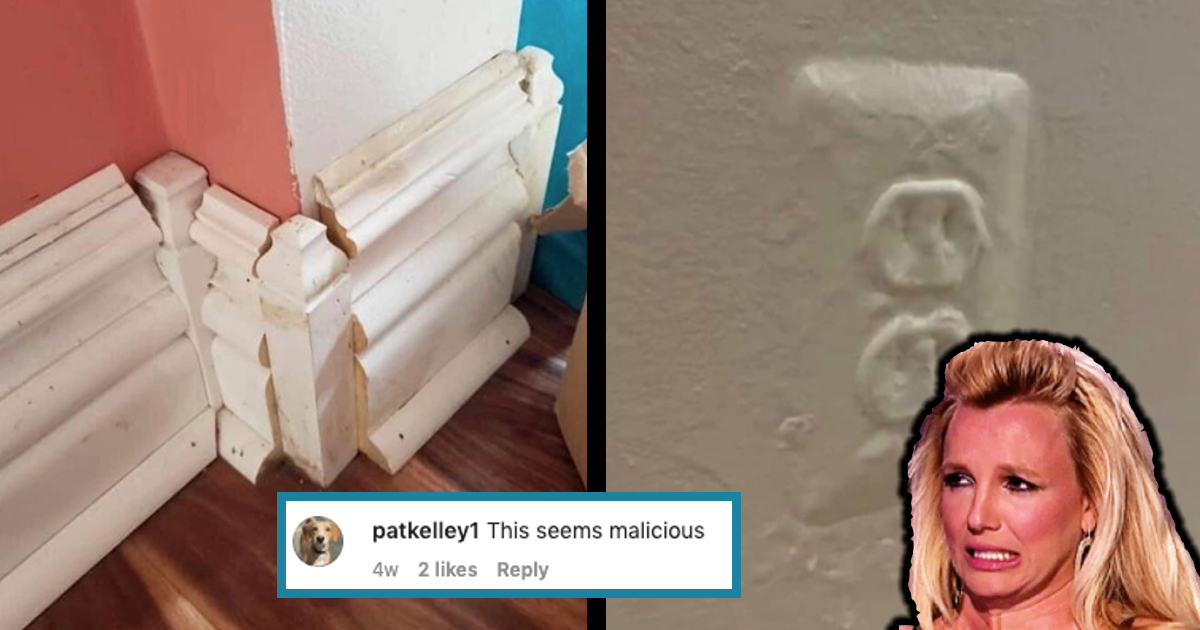
    Collage of DIY home improvement fails highlighting the importance of hiring a professional contractor

    Finishing Thoughts

    DIY has its time and place and if you truly do love the process, go for it. But when the project gets big, complex, or has high stakes, a contractor can offer expertise, efficiency, and peace of mind that’s hard to match. Think of it not as a shortcut, but as a smarter way to get the job done right!

  • Exploring the Different Types of Fireplaces: Which One Is Right for Your Home?

    Exploring the Different Types of Fireplaces: Which One Is Right for Your Home?

    Exploring the Different Types of Fireplaces

    When it comes to choosing a fireplace, there’s more to consider than just looks. From traditional wood-burning hearths to modern electric units, today’s fireplaces come in a wide range of fuel types, features, and design styles. Whether you’re planning a new build, remodeling an existing fireplace, or simply researching your options, understanding the pros and cons of each type can help you make an informed decision.

    In this section, we break down the most popular types of fireplaces—wood, gas, electric, pellet, and more—to help you find the best fit for your lifestyle, home layout, and heating needs. Here’s a closer look at each option and what makes it unique:

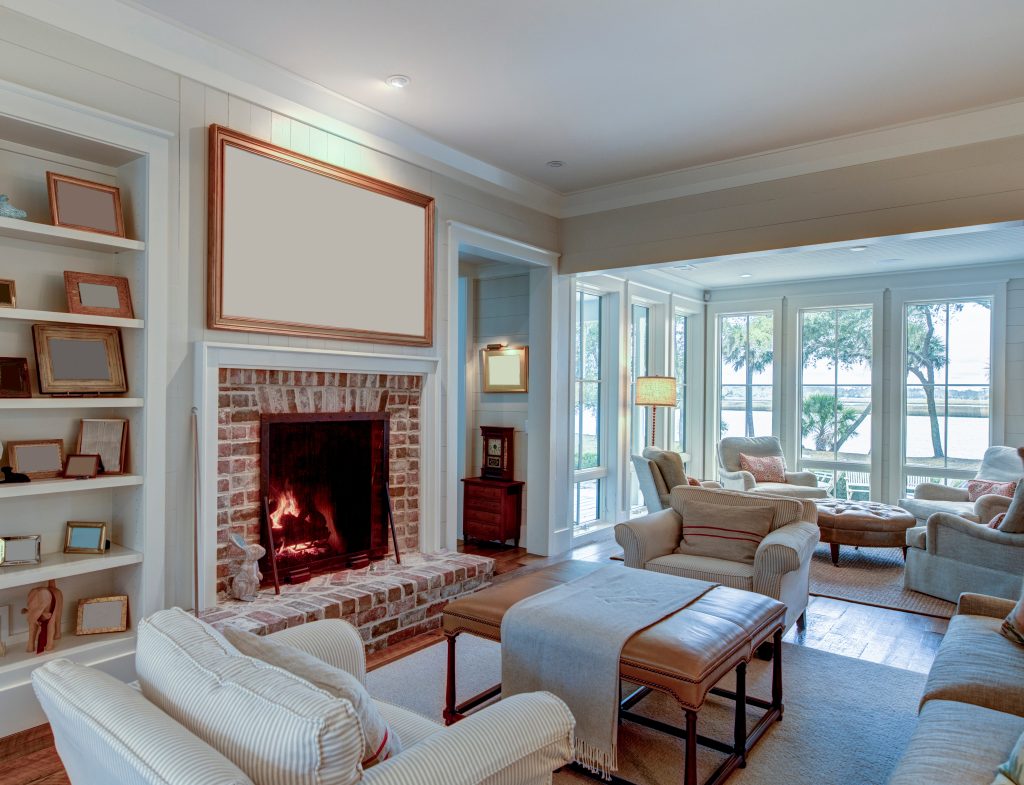
    Wood-Burning Fireplace

    The classic choice. Uses logs and real flame. Typically built into a masonry chimney.

    Pros:

    • Authentic ambiance with real flames, crackle, and scent
    • No electricity/gas required
    • High visual appeal, especially in traditional homes

    Cons:

    • Requires a chimney and regular maintenance (cleaning, inspections)
    • Less efficient—much of the heat escapes through the chimney
    • More emissions and environmental impact than other types
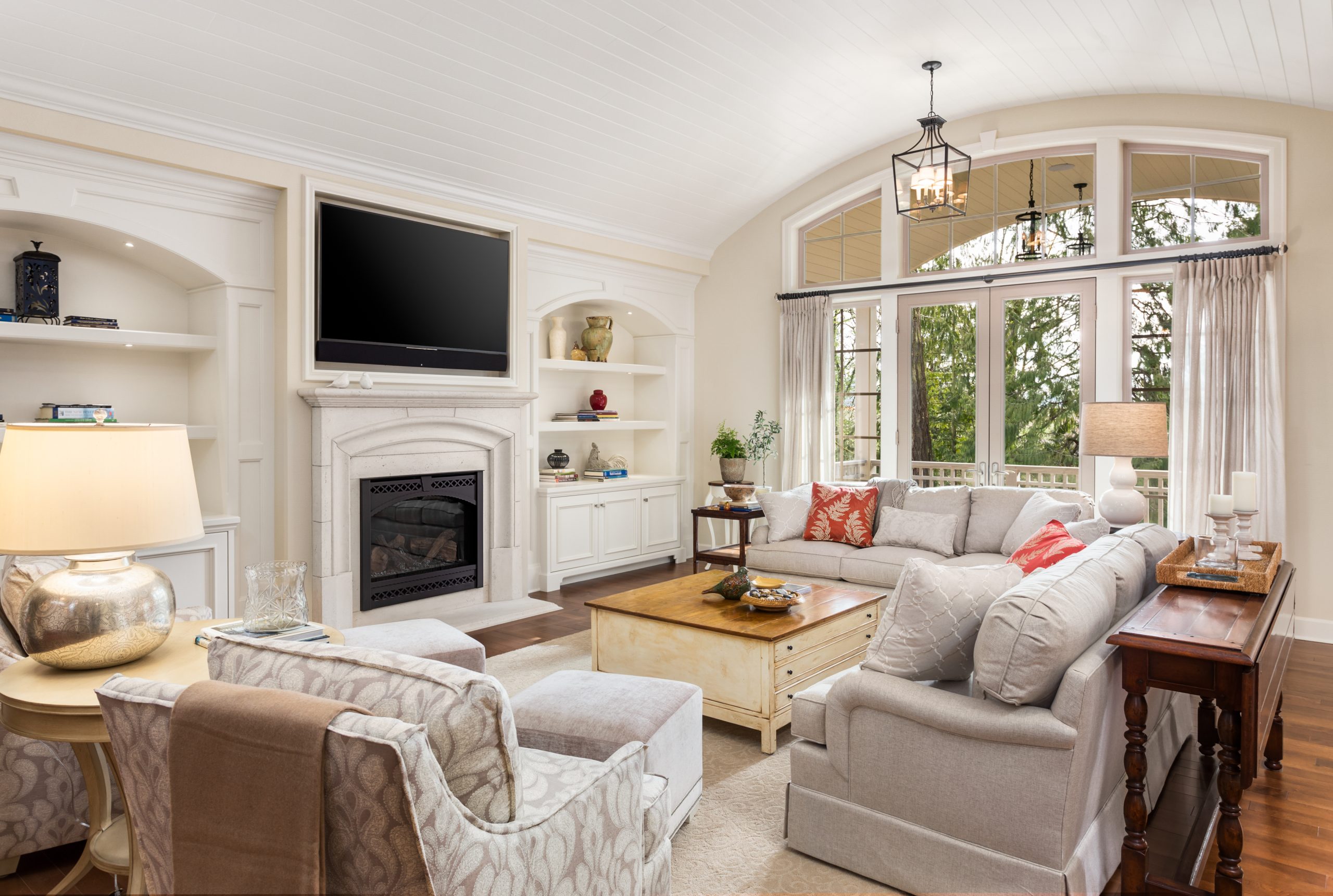
    Traditional wood-burning fireplace in coastal living room with real flames and rustic charm
    A traditional wood-burning fireplace adds cozy charm and rustic elegance to this coastal living room, creating a timeless focal point for open-concept home designs.

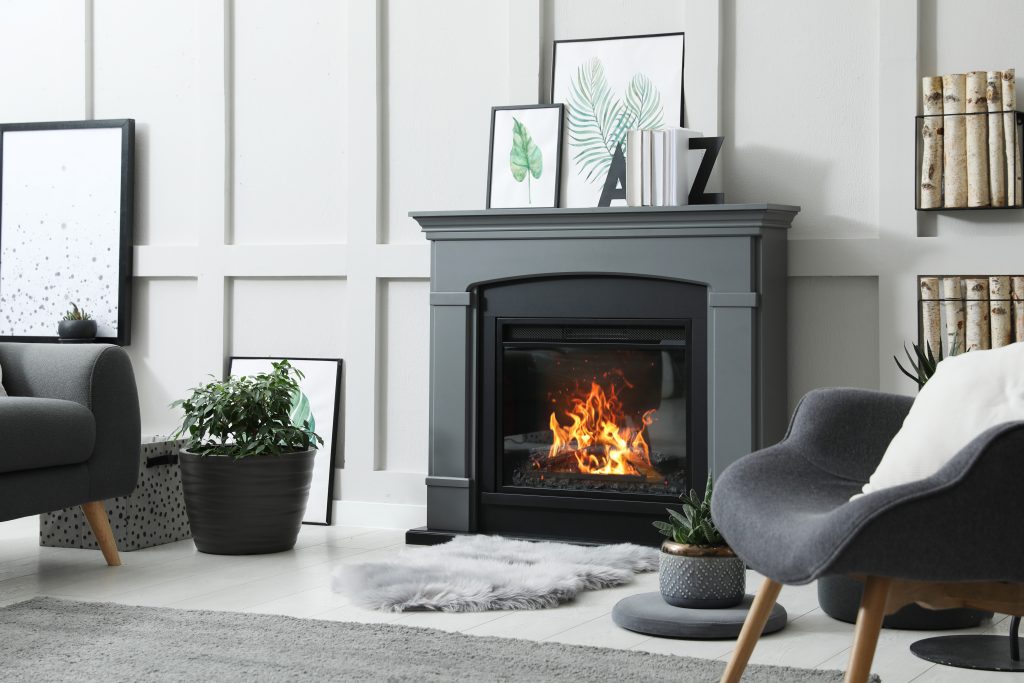
    Gas Fireplace (Vented)

    Fueled by natural gas or propane, these units mimic a real flame but use ceramic logs or glass media. Vented models exhaust combustion gases outdoors.

    Pros:

    • Convenient—turn on/off with a switch or remote
    • Cleaner-burning than wood
    • Provides consistent heat
    • Realistic flame appearance

    Cons:

    • Requires gas line installation
    • Still needs venting/chimney system
    • Less eco-friendly than electric
    Sleek vented gas fireplace in contemporary living room with ceramic logs and efficient heating
    This sleek gas fireplace (vented) design adds warmth and style to a contemporary living room, offering the beauty of real flames with the convenience of clean, efficient heating.

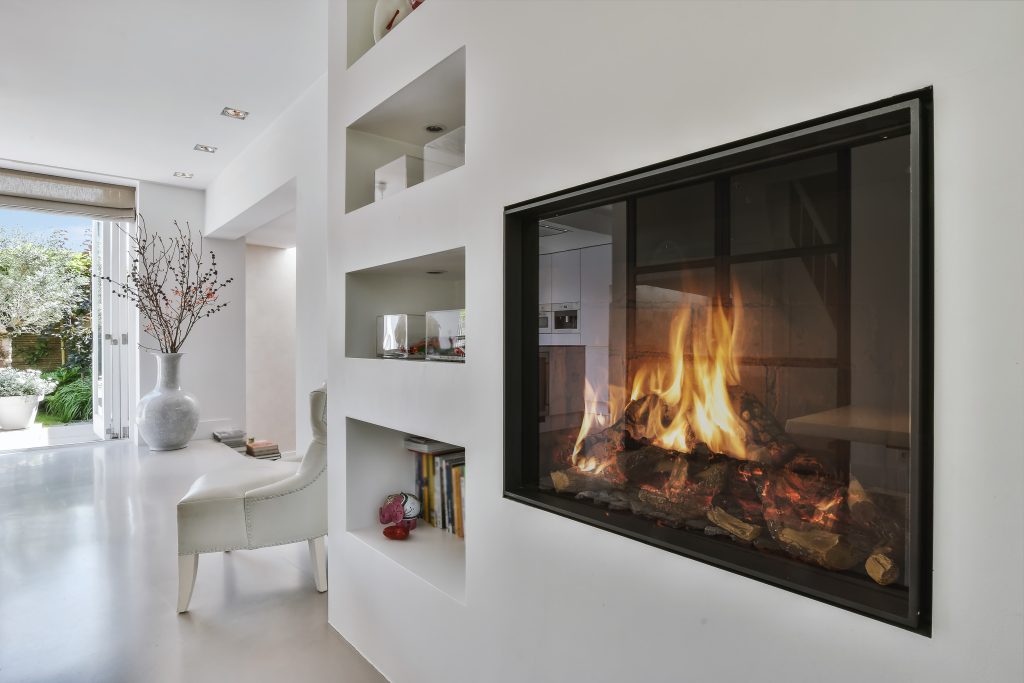
    Gas Fireplace (Ventless / Vent-Free)

    Like vented gas fireplaces, but they don’t require a chimney or flue. They release combustion byproducts directly into the room.

    Pros:

    • Easier and cheaper to install
    • High efficiency—almost all heat stays in the room
    • Good option for remodels without chimney access

    Cons:

    • Not allowed in all jurisdictions (check local code)
    • Adds moisture and low levels of combustion gases to the air
    • Less realistic flame quality
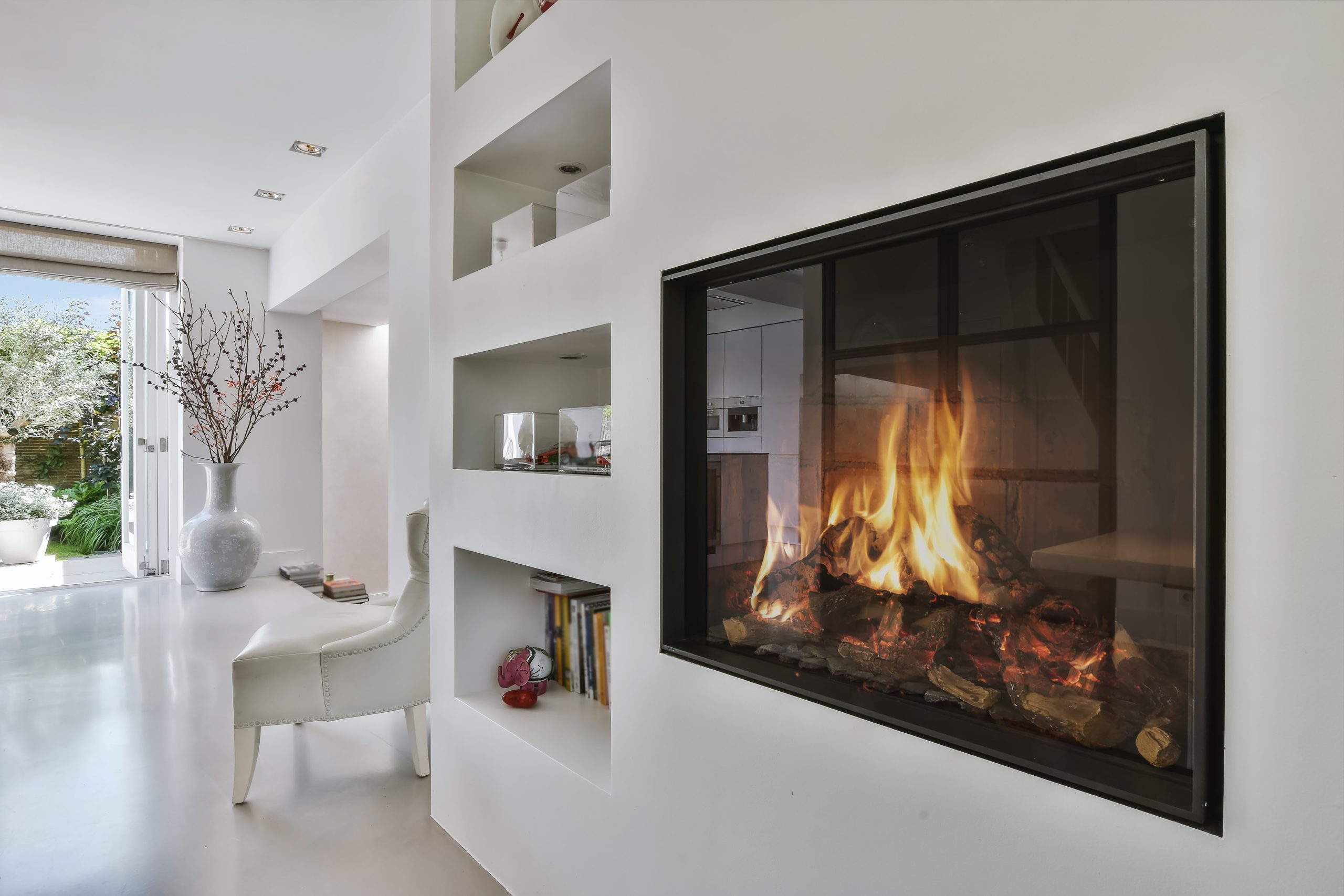
    Sleek ventless gas fireplace in modern minimalist home with efficient heating and flexible installation
    This sleek gas fireplace (ventless / vent-free) delivers effortless warmth and contemporary style, offering a flexible heating solution perfect for open-concept and modern minimalist homes.

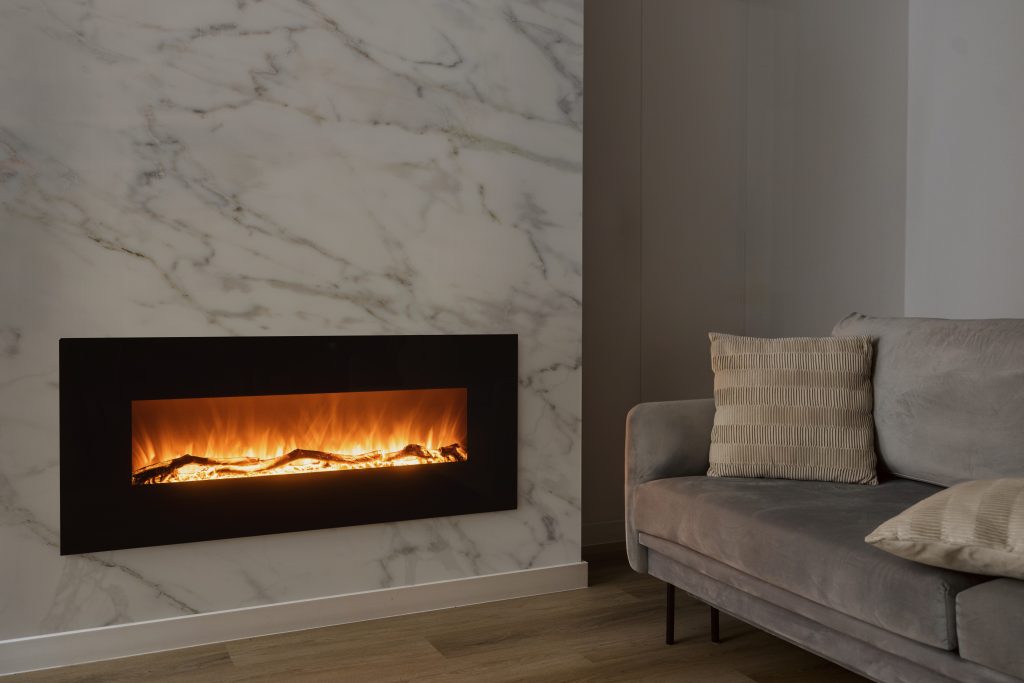
    Electric Fireplace

    Uses electricity to simulate flame visuals (LED, projection) and produce heat via a fan-forced heater or infrared element.

    Pros:

    • No gas, chimney, or venting required
    • Easy to install anywhere—great for apartments or remodels
    • Safe for kids and pets
    • Low maintenance

    Cons:

    • Flame is simulated, not real
    • Dependent on electricity
    • Lower heat output than gas or wood options
    Modern electric fireplace mounted on marble wall in cozy living room with LED flame effect
    Modern electric fireplace is mounted on a marble wall in cozy living room.

    Pellet Fireplace (Stove or Insert)

    Burns compressed wood pellets. Often freestanding or inserted into an existing firebox. Requires electricity for the feeder system.

    Pros:

    • High-efficiency, low-emission
    • Renewable fuel source
    • Long burn times with automatic feeding

    Cons:

    • Requires electricity
    • Pellet storage and occasional hopper filling
    • Upfront cost can be higher than standard wood/gas
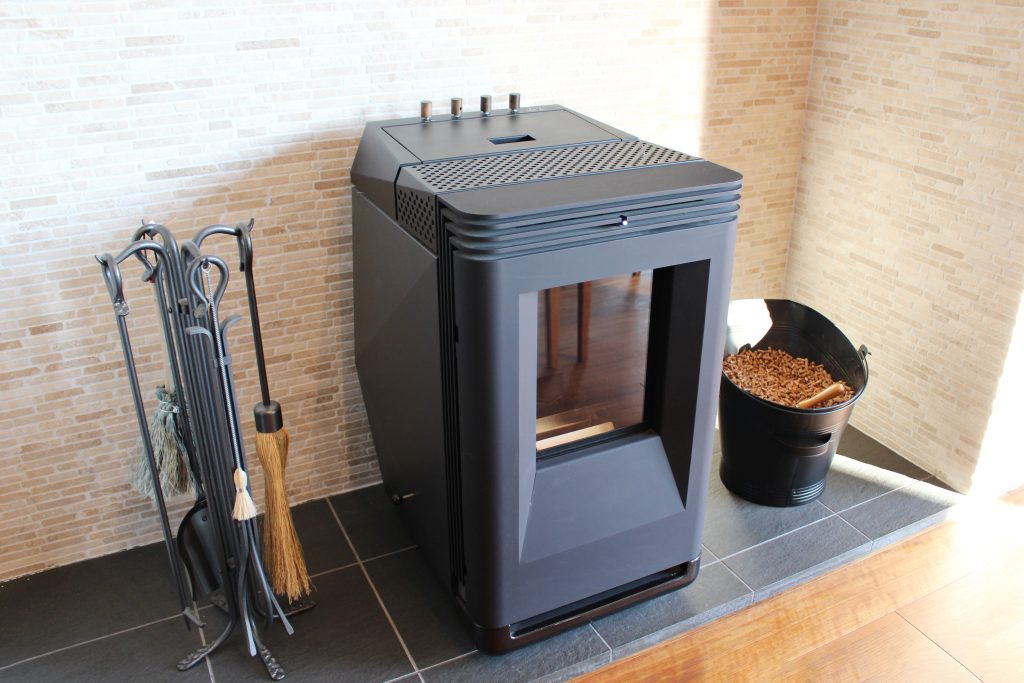
    Sleek pellet fireplace stove with high efficiency, eco-friendly heating and modern technology
    This sleek pellet fireplace (stove or insert) offers a highly efficient and eco-friendly heating solution, combining modern technology with the cozy appeal of a traditional hearth.

    Ethanol Fireplace

    Burns bioethanol fuel. No chimney or venting needed. Available in tabletop, wall-mounted, or built-in styles.

    Pros:

    • Clean-burning and eco-friendly
    • Stylish, modern designs
    • Ventless and mobile—flexible placement

    Cons:

    • Limited heat output—best for ambiance
    • Fuel can be pricey
    • Must be refilled manually
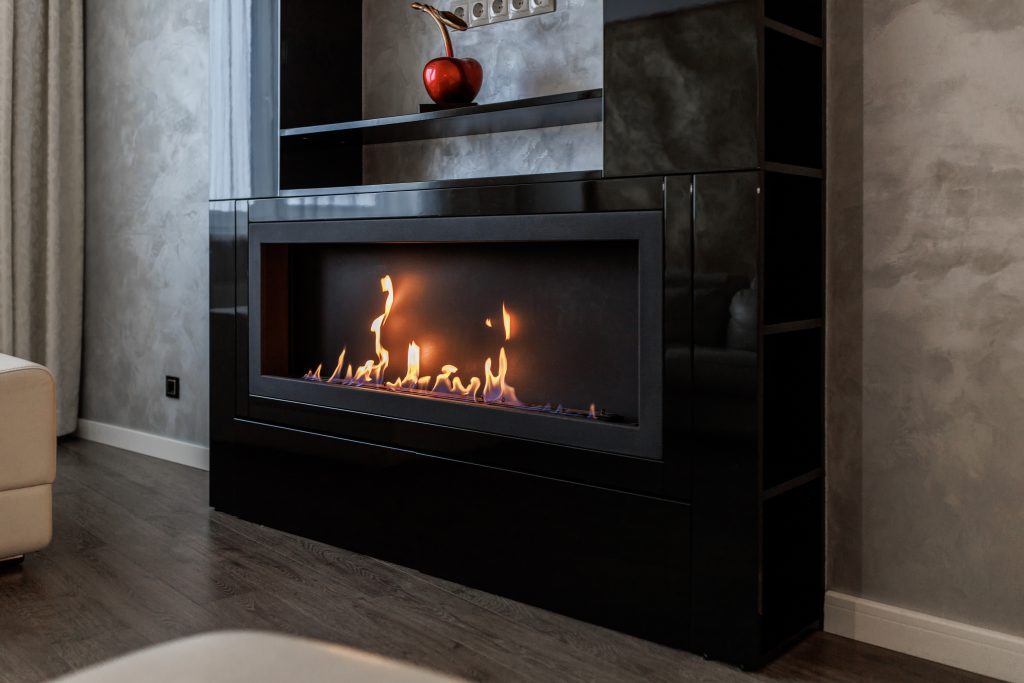
    Sleek ethanol fireplace with clean-burning ventless flame in contemporary living space
    This sleek ethanol fireplace offers a clean-burning, ventless flame that brings modern elegance and warmth to contemporary living spaces.

    Outdoor Fireplaces (Wood, Gas, or Electric)

    Exterior fireplace options for patios or yards. Available in all fuel types depending on setup and access.

    Pros:

    • Enhances outdoor living space
    • Can be a focal point for entertaining
    • Wide range of design and fuel options

    Cons:

    • Subject to weather and climate use limits
    • May require special permits depending on area
    • Can be costly if built-in
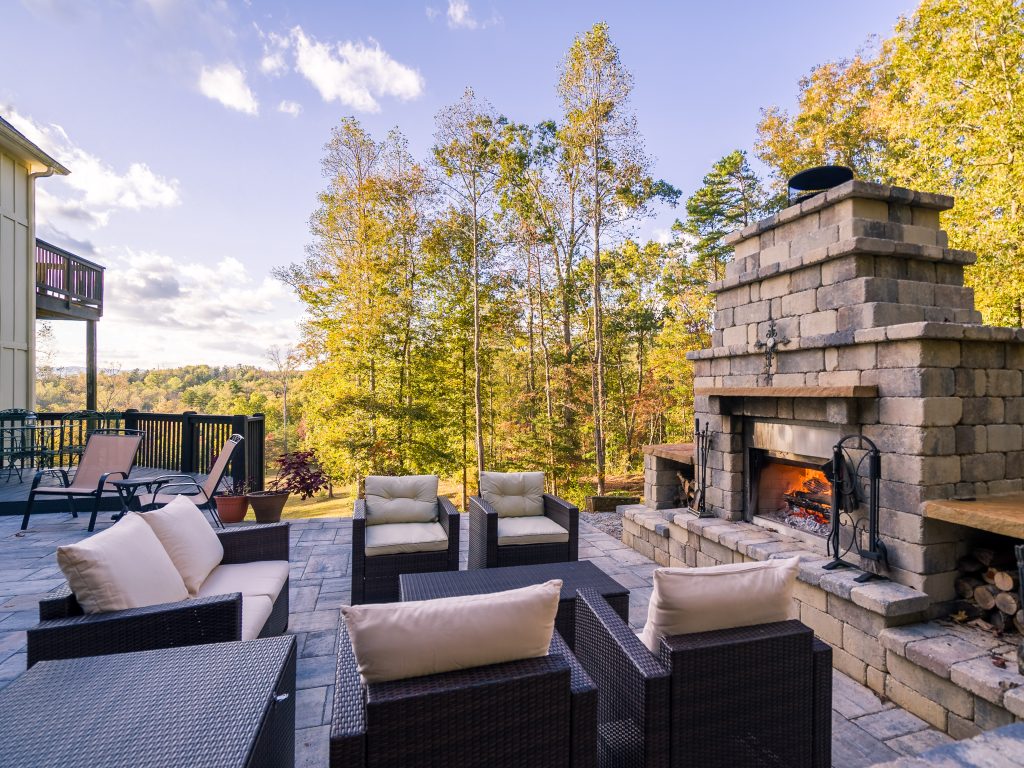
    Stunning stone outdoor fireplace transforming patio into cozy year-round gathering space
    This stunning stone outdoor fireplace showcases how outdoor fireplaces (wood, gas, or electric) can transform any patio into a cozy, year-round gathering space.

    The Right Choice For You

    With so many fireplace options available, finding the right one isn’t just about appearance—it’s about how it fits into your daily life. Your home’s layout, your family’s needs, and even your design style all play a role in determining the best choice. Whether you’re looking for a low-maintenance solution, a statement feature, or an eco-friendly upgrade, this section will help you narrow down your options.

    Here’s how to match your ideal fireplace with the way you live and the space you live in:

    Family-Friendly with Kids or Pets? → Electric or Vented Gas

    Why it fits: These options offer the safety of cool-touch glass or enclosed flames, and they don’t require real fire or combustion in the living space.

    Ideal fireplace types:

    • Electric Fireplace
    • Vented Gas Fireplace

    Bonus tip: Wall-mounted electric units are sleek and out of reach for little hands or wagging tails.

    Cozy Ambiance for Entertaining? → Wood-Burning or Ethanol

    Why it fits: If the feel of a real flame matters most—crackling logs, flickering firelight—these provide maximum ambiance.

    Ideal fireplace types:

    • Wood-Burning Fireplace
    • Ethanol Fireplace

    Bonus tip: Ethanol options are especially useful in modern homes without chimneys.

    Environmentally Conscious Living? → Pellet or Electric

    Why it fits: You’re looking for efficient, low-emission options. Pellet stoves use renewable fuel, and electric models draw from your home’s energy source (or even solar).

    Ideal fireplace types:

    • Pellet Fireplace
    • Electric Fireplace

    Bonus tip: Look for EPA-certified pellet units for the cleanest burn.

    Minimal Renovation or Apartment Living? → Electric or Ventless Gas

    Why it fits: If you can’t install a chimney or run gas lines, go vent-free. These options require little to no structural modification.

    Ideal fireplace types:

    • Electric Fireplace
    • Ventless Gas Fireplace

    Bonus tip: Many electric units are plug-and-play—perfect for renters.

    Traditional Home with Existing Chimney? → Wood or Vented Gas Insert

    Why it fits: You can make the most of an existing masonry fireplace by retrofitting it with an insert that improves efficiency.

    Ideal fireplace types:

    • Wood-Burning Fireplace
    • Vented Gas Insert

    Bonus tip: Gas inserts offer remote control and better insulation than open wood-burning setups.

    Modern or Minimalist Aesthetic? → Linear Gas or Wall-Mounted Electric

    Why it fits: Clean lines and frameless installations complement contemporary interiors beautifully.

    Ideal fireplace types:

    • Linear Gas Fireplace
    • Wall-Mounted Electric Fireplace

    Bonus tip: Consider glass media or smooth concrete surrounds for a sleek finish.

    Outdoor Living Enthusiast? → Gas, Wood, or Electric Outdoor Units

    Why it fits: Create a year-round backyard focal point with weather-resistant units designed for exterior use.

    Ideal fireplace types:

    • Outdoor Wood Fireplace
    • Outdoor Gas Fireplace
    • Outdoor Electric Heater with Flame Effects

    Bonus tip: Match the fuel source to what’s most accessible (e.g., natural gas line vs. available firewood).


    Ready to explore your fireplace options? Whether you’re remodeling an existing hearth or starting from scratch, our team can help you choose the right fireplace for your home.

    See Fireplace Styles & Options »

  • Fireplace Terminology Made Simple: Click to Learn Each Part

    Fireplace Terminology Made Simple: Click to Learn Each Part

    An Interactive Guide to the Fireplace

    Whether you’re considering a fireplace remodel or just exploring design ideas for your home, understanding the different parts of a fireplace can be incredibly helpful. From fireboxes and hearths to mantels, surrounds, and everything in between, each component plays an important role in both form and function. This page is designed to give you a clearer picture—literally. Click through our interactive fireplace diagram to discover what each piece is, how it contributes to the overall design, and what to consider when planning your own project. If you’ve ever wondered “What are the parts of a fireplace called?”—you’re about to find out, one piece at a time.

    Interactive fireplace diagram — click each label to learn what each part is called
    Overmantel The section above the mantel shelf, often extending to the ceiling. It adds height and visual impact, and can be enhanced with decorative panels, molding, or built-in shelving.
    Mantel A decorative shelf positioned above the firebox opening. It can be a floating feature or supported by legs or pilasters for added architectural detail.
    Header (Undermantel) Spans the space above the firebox between the pilasters. It connects the vertical elements and supports the mantel shelf, serving as both a structural and decorative feature.
    Pillasters (Legs) The vertical elements on either side of the firebox that support the mantel and frame the opening. They can be simple or ornate, adding architectural character and balance.
    Surround Frames the perimeter of the firebox, usually extending 8 to 12 inches around it. Its purpose is to safeguard the interior from heat and must be made of non-combustible materials.
    Plinth The base block at the bottom of each pilaster or leg, providing structural support and a visual foundation. Often slightly wider than the pilaster above, it adds grounding and completes the architectural detailing.
    Fireplace Insert An enclosed unit that fits within the firebox. Electric and gas fireplaces typically include an insert with extra features such as glass doors or built-in ventilation components.
    Hearth Sits at the base of the fireplace, typically extending 16 to 18 inches beyond the firebox. It shields surrounding flooring from heat and embers, and must be made from non-combustible materials.

    Hover to highlight, click to learn about each part

    A Glossary of the Parts of a Fireplace

    Overmantel

    The overmantel is the section above the mantel shelf, often extending to the ceiling. It adds height and visual impact to the fireplace, and can be left simple or enhanced with decorative panels, molding, or even built-in shelving or artwork.

    Mantel

    The mantel is a decorative shelf positioned above the firebox opening. It can either be a floating feature or supported by legs or pilasters for added architectural detail.

    Header (Undermantel)

    The header, or undermantel, spans the space above the firebox between the pilasters. It connects the vertical elements and supports the mantel shelf, serving as both a structural and decorative feature in the fireplace surround.

    Pillasters (Legs)

    Pilasters or legs are the vertical elements on either side of the firebox that support the mantel and frame the fireplace opening. They can be simple and understated or more ornate, adding architectural character and balance to the overall surround design.

    Surround

    The surround frames the perimeter of the firebox, usually extending 8 to 12 inches around it. Similar to the hearth, its purpose is to safeguard the interior from the fireplace’s heat and must be made of non-combustible materials.

    Plinth

    The plinth is the base block at the bottom of each pilaster or leg, providing both structural support and a visual foundation for the fireplace surround. Often slightly wider than the pilaster above, it adds a sense of grounding and completes the architectural detailing.

    Fireplace Insert

    Traditional masonry fireplaces often consist of just a firebox. In contrast, electric and gas fireplaces typically include an insert—an enclosed unit that fits within the firebox and may contain extra features such as glass doors or built-in ventilation components.

    Hearth

    The hearth sits at the base of the fireplace, typically extending 16 to 18 inches beyond the firebox onto either a raised platform or a floor-level surface. It’s designed to shield the surrounding flooring from heat and stray embers and must be constructed from non-combustible materials.


    Now that you know the anatomy of a fireplace, let’s find the one that fits your home just right. From cozy wood-burning classics to sleek electric options, we’ve got you covered.

    See Fireplace Styles & Options »

  • Product Highlight: Fab Glass and Mirror

    Product Highlight: Fab Glass and Mirror

    Fab Glass and Mirror was founded in Columbus, Ohio in 2012, which is currently where their headquarters are. They have a wide assortment of products you can buy including gym mirrors, glass boards, custom shower glass, medicine cabinets, glass railing, and more. Free shipping is offered for regular-size items and reasonably priced freight shipping for oversized items to 48 states.

    Why Choose Fab Glass?

    Quality Assurance. They don’t just stop at ASTM standards — their glass technicians inspect every piece thoroughly to ensure it exceeds standards. This includes searching for any type of defect, even if it is deemed acceptable by the ASTM. Learn more on their About Us page.

    They stand by their quality — their breakage rate is less than 1% — but they still offer a 10-year limited warranty.

    We love that Fab Glass and Mirror are environmentally responsible by upholding a meticulous packaging process that ensures your glass arrives damage-free while also minimizing the amount of waste.

    Fab Glass and Mirror isn’t just a leader in the glass industry — they’re also making a real difference in people’s lives. Co-founders Ahmed Mady and Tehmas Baig are committed to giving back. Mady has hired Afghan refugees, many of whom worked with the U.S. military, providing them with jobs, housing support, and a fresh start. Their story is proof that great companies prioritize both quality products and community impact. Read the full story in Inc. Magazine.

    The Process

    Fab Glass and Mirror custom shower glass process

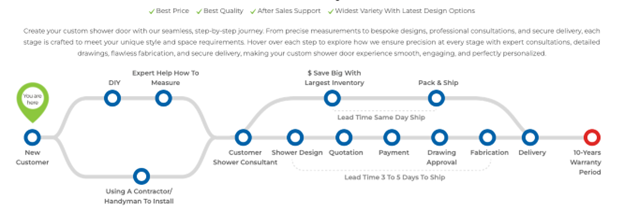
    The process starts by picking your shower glass design and finish color as well as entering in your custom measurements. Then Fab Glass and Mirror reaches out to confirm the measurements and provide shop drawings for client approval. Once approved, the order is pushed through and shipped via freight.

    We placed our order on January 21st and received it on January 27th, despite a one-day shipping delay caused by the freight company. This delay was not the fault of Fab Glass and Mirror.

    Things to Consider About Delivery

    • The freight company will only provide one person to deliver the item.
    • The freight company will make an appointment for delivery and may require customer assistance in removing the oversized item from the truck.
    • If you are unable to move the oversized item into your home or business, you must request a White Glove delivery quotation.

    Final Thoughts

    Our experience with Fab Glass and Mirror has been nothing short of excellent. From their commitment to high-quality products and sustainability to their dedication to giving back to the community, they truly stand out in the industry. The ordering process was straightforward, and despite a minor shipping delay outside their control, everything arrived in great condition.

    Their attention to detail and customer service exceeded our expectations. If you’re looking for top-tier glass products with outstanding quality and service, we highly recommend Fab Glass and Mirror. Their commitment to craftsmanship, reliability, and social impact makes them a company worth supporting.

  • Radiant Heated Floors: Warmth That Starts from the Ground Up

    Radiant Heated Floors: Warmth That Starts from the Ground Up

    Few upgrades transform a space like radiant heated flooring. Whether it’s stepping onto warm tile on a cold morning or simply enjoying the even, quiet comfort it provides, radiant heat delivers a sense of luxury that homeowners quickly come to love.

    At Parrish Construction Inc., we professionally install radiant floor heating systems throughout the Sacramento area—helping homeowners bring warmth, efficiency, and value into their remodel projects.

    The Appeal of Radiant Heat

    Radiant floor heating warms from beneath the surface, heating objects and people directly instead of relying on blowing air. The result is a quieter, cleaner, and more consistent warmth that feels natural year-round.

    Benefits include even, gentle heat that eliminates cold spots, no vents, noise, or dust circulation, low operating costs and energy efficiency, and added comfort and resale value to any space. It’s especially popular in bathrooms, kitchens, entryways, and basements—where cold floors are most noticeable.

    Types of Radiant Heating Systems

    There are two main approaches to radiant heat:

    Hydronic Systems circulate warm water through tubing beneath the floor. They’re ideal for new construction or large-area heating applications.
    Electric Systems use cable or mat heating elements under the flooring surface. They’re perfect for remodels and targeted comfort zones like bathrooms or kitchens.

    For remodel applications, electric radiant heat systems offer the best combination of comfort, control, and affordability—with minimal impact on floor height and schedule.

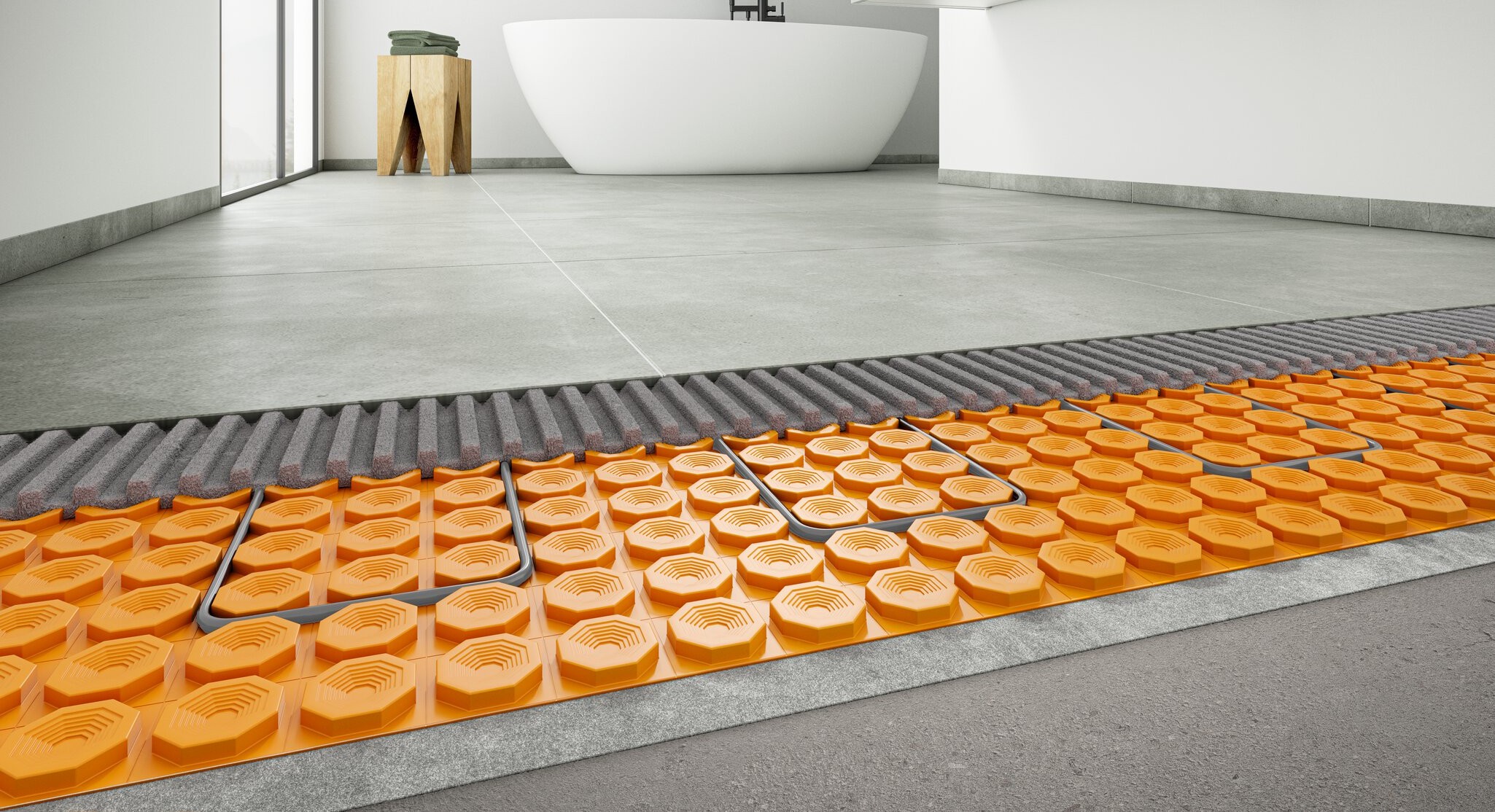
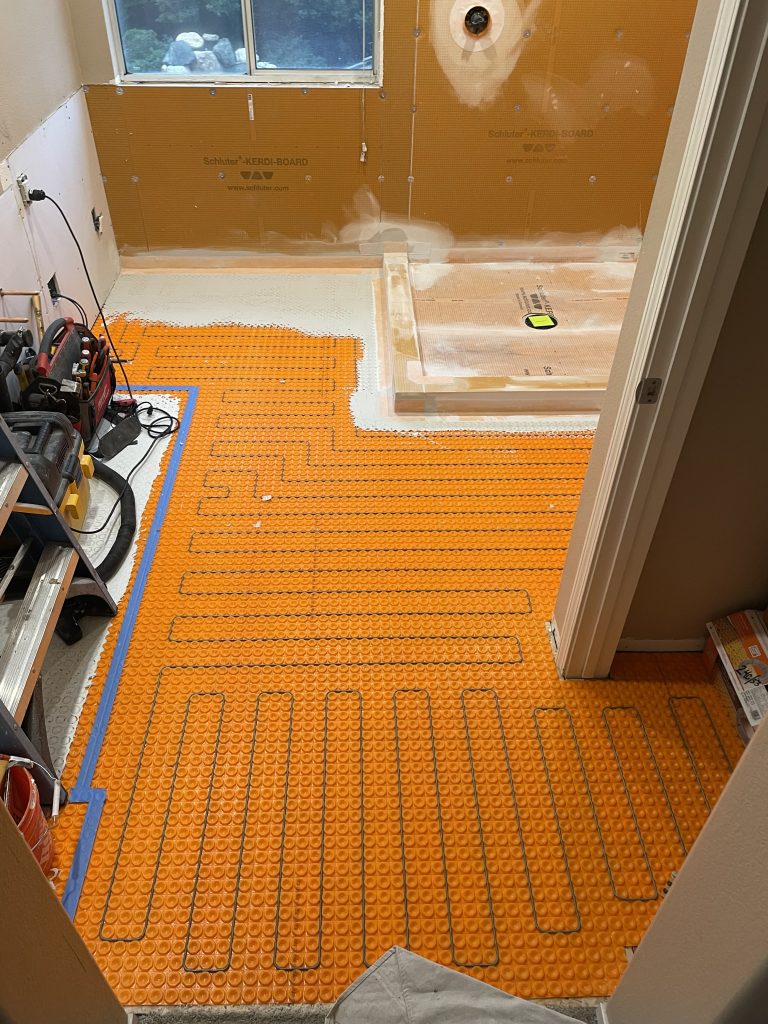
    Our Go-To Solution: Schluter® DITRA-HEAT

    • Uncoupling membrane – Protects tile from cracking due to movement
    • Integrated heating cables – Custom-fitted to your space for even warmth
    • Waterproofing layer – Keeps moisture out of subfloors for long-term durability

    We pair it with the DITRA-HEAT-E-RS1 thermostat, allowing you to program specific times, temperatures, and energy-saving schedules.

    After years of installing different systems, our preferred choice for most residential remodels is Schluter® DITRA-HEAT. This advanced electric radiant heat system combines three key functions in one:

    Energy Efficiency and Cost to Run

    Electric radiant heating is far more affordable than most homeowners expect. A typical system draws about 12 watts per square foot, making it one of the most efficient comfort upgrades you can add to your home. Even when run for several hours each day, operating costs remain minimal—often just a few cents per hour.

    For example, a 50 sq. ft. bathroom typically costs under $10 per month to heat, based on average U.S. electricity rates.

    Room SizeWatts3 Hours/DayMonthly Cost (@ $0.16/kWh)
    25 sq ft300 W$0.15/day≈ $4.50/mo
    50 sq ft600 W$0.26/day≈ $9.00/mo
    75 sq ft900 W$0.44/day≈ $13.50/mo
    100 sq ft1200 W$0.58/day≈ $17.40/mo

    Based on U.S. average electricity rate of $0.16 per kWh. Actual usage depends on thermostat settings and insulation efficiency.

    Compatible Flooring Options

    Radiant heating can be installed beneath almost any properly prepared flooring surface, including ceramic and porcelain tile, natural stone, luxury vinyl plank (LVP), engineered hardwood, laminate flooring, and certain carpeted or floating systems. Proper substrate prep ensures even heat transfer and long-term performance—something we handle as part of every installation.

    How the System Layers Work

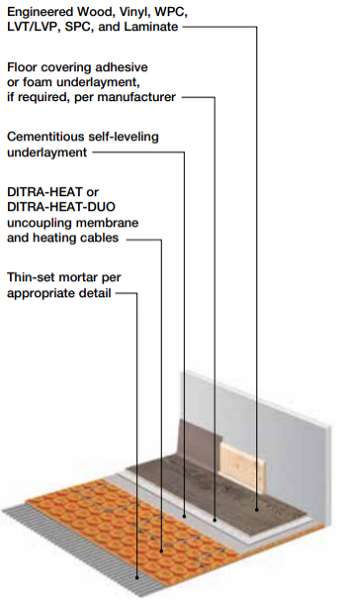
    The DITRA-HEAT system integrates seamlessly into a standard tile installation. The layers, from bottom to top, consist of the subfloor, thinset mortar, Schluter® DITRA-HEAT membrane, heating cable placed in the membrane channels, and finally thinset with the finished flooring on top.

    This integration keeps the floor height minimal while combining warmth, waterproofing, and crack prevention in one step.

    Frequently Asked Questions

    Can this be added without a full remodel?

    Often yes—if you’re replacing flooring, we can integrate it during that process.

    Does it heat the whole room?

    Radiant floors primarily warm the surface and the people in contact with it, but they also gently raise ambient temperature.

    Is it waterproof?

    Yes. The DITRA-HEAT membrane provides waterproofing suitable even for bathrooms and showers.

    What’s the warranty?

    Schluter® offers a 10-year system warranty, fully backed when installed to spec with authorized components.

    Step Into Everyday Comfort

    Radiant heated floors offer an unmatched blend of comfort, energy efficiency, and luxury. Whether you’re upgrading a bathroom, kitchen, or entire living area, Parrish Construction Inc. delivers expert installation, trusted materials, and lasting performance.

  • Material Considerations: Understanding the Unique Characteristics of Remodeling Materials

    Material Considerations: Understanding the Unique Characteristics of Remodeling Materials

    As part of our commitment to transparency and quality, we want to highlight a few important things to know about the materials commonly used in residential remodeling. Many of the products we work with—such as natural stone, hardwood, and handcrafted tile—are selected for their beauty, character, and uniqueness. But with that comes natural variation and certain performance traits that are important to understand before installation begins.

    This guide is designed to help set expectations and provide clarity on how these materials behave in real-world applications. Our goal is to help you feel confident in your selections and enjoy the finished product for years to come.
    Natural Stone & Natural Stone Variation

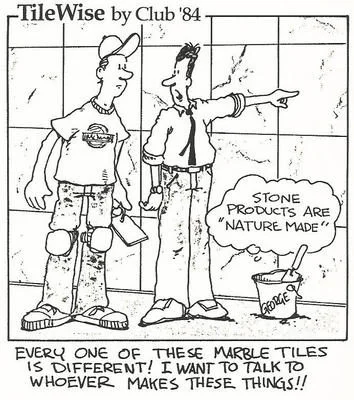
    Natural stone is a product of the earth, formed over millions of years through heat, pressure, and mineral deposits. Because of this, no two pieces are ever identical. Even when cut from the same block, stone can display dramatic shifts in veining, color tone, or texture. These natural variations are not defects; they’re part of what makes the material so special.

    The appeal of natural stone lies in its uniqueness; its organic imperfections are what give it character and charm. Clients are often surprised when the stone installed in their home doesn’t look exactly like the showroom sample. This is completely normal. Samples represent just one piece of the puzzle; your final installation will feature a full spectrum of the stone’s unique characteristics.

    Consistency is not the goal—character and individuality are. What might be considered “imperfections,” such as fissures, veining, or mineral deposits, are markers of authenticity. While we always aim to balance tones during layout, natural stone is inherently varied, and some changes in tone or pattern are to be expected and celebrated.

    Handcrafted Tile, Zellige, & Surface Irregularities

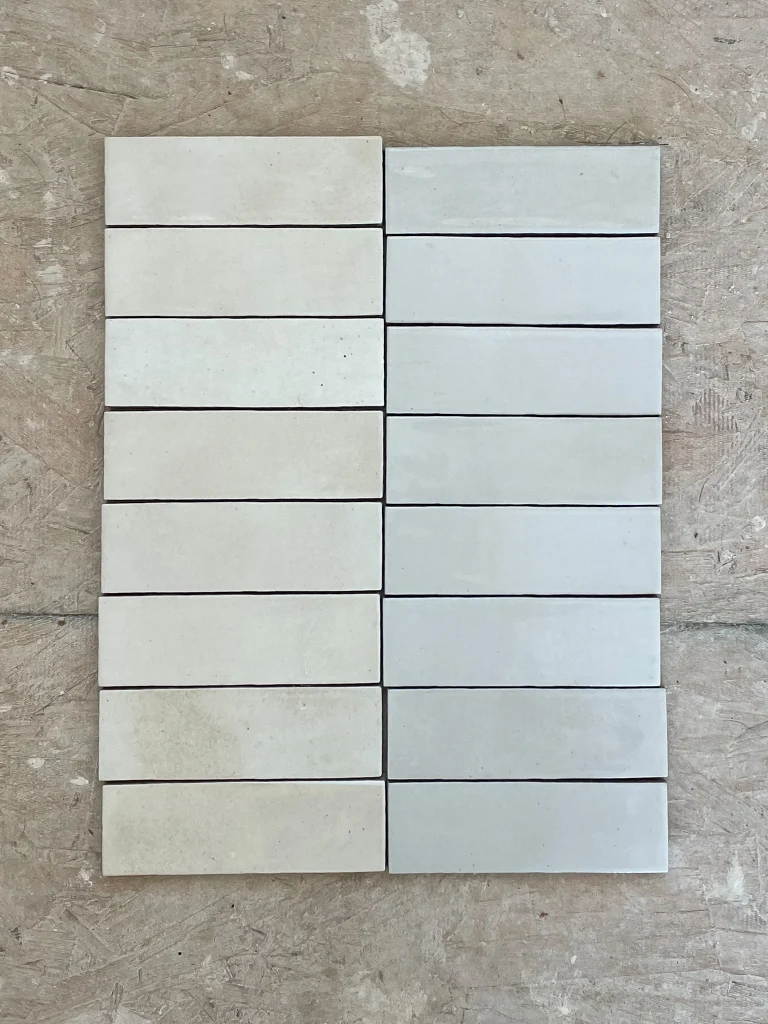
    Handmade tile such as Moroccan Zellige is prized for its imperfect, organic quality. Unlike machine-made ceramic, these tiles are hand-cut, hand-glazed, and wood-fired. This process introduces variation in shape, color depth, and surface texture. You’ll often see irregular edges, glaze pooling, pitting, crazing (fine surface cracks), and undulation across the surface. This is not a flaw—it’s the essence of what makes handcrafted tile beautiful.

    Because they are not uniform, grout lines will vary in width, and the surface won’t lay perfectly flat like a standard subway tile. Instead, the light will bounce off each one in a way that gives the installation depth and richness that can’t be replicated with mass production.

    For clients seeking a highly polished or uniform finish, Zellige may not be the right fit. But for those who appreciate artistry and texture, it offers a timeless, character-rich finish that only gets better with age.

    Edge Finishing: Mitered vs. Schluter

    When it comes to finishing the edges of Zellige or other handcrafted tile, there are two primary approaches: using a trim piece like Schluter or mitering the tile edges. Each has a distinct aesthetic and practical purpose.

    Mitered corners are a high-end detail where the edges of the tile are cut at a 45-degree angle and joined to create a clean, seamless outside corner. This method maintains the handcrafted look without introducing a modern trim element. It’s a popular choice for clients who want a more traditional or artisan feel, especially in installations where the tile is meant to be the focal point.

    On the other hand, Schluter edging or other metal trim offers a more modern and streamlined look. These pieces come in a variety of finishes (like brushed nickel, matte black, or brass) and provide a durable, low-maintenance solution for protecting tile edges. Schluter is also a great choice if you love the irregular look of the tile face but prefer a more finished or uniform edge.

    Ultimately, the choice comes down to style and budget. Mitering emphasizes craftsmanship and cohesion, while Schluter adds a contemporary design detail and practical edge protection. Both are valid—just different ways to finish a beautiful tile installation.

    Natural Stone Versus Manufactured Stone

    Natural stone is sourced directly from the earth, while manufactured stone is made from cement, aggregates, and pigments, molded to replicate the look of real stone. Both have their place in modern construction, but they differ in performance, aesthetics, and longevity.

    Natural stone is inherently unique. It carries geological history in every slab, with layered movement, color shifts, and mineral veining that’s impossible to mass-produce. It tends to be heavier, more durable, and when properly maintained can last generations.
    Quartz vs. Quartzite

    One common point of confusion is quartz vs. quartzite. While their names sound similar, they are completely different materials. Quartzite is a natural stone formed from sandstone and intense heat and pressure within the earth, resulting in a hard, dense surface with beautiful, unpredictable veining. Quartz, on the other hand, is a manufactured surface made from crushed natural quartz combined with resins and pigments to create a consistent, non-porous material.

    Quartz tends to be lower maintenance and more uniform in appearance, while quartzite offers the raw beauty and uniqueness of natural stone, but usually requires sealing and a bit more care.

    When choosing between natural and manufactured stone, it’s important to consider both budget and expectations around appearance and maintenance. Manufactured options offer consistency, ease of care, and affordability. Natural stone offers authenticity, variation, and a timeless quality that simply can’t be replicated. Neither is “better”—just different, with their own strengths depending on the space and the goals of the project.

    Color Movement & Variation in Plaster

    Plaster finishes—especially Venetian plaster and lime-based plasters—are dynamic by nature. They’re not flat or static like paint. These materials are applied in layers using hand trowels, with subtle shifts in pressure, angle, and timing that produce rich, multi-dimensional surfaces.

    As the plaster cures, it undergoes chemical changes that contribute to tonal variation. You might see areas of soft clouding, depth, or warmth that weren’t visible during application. These fluctuations are known as color movement, and they’re a hallmark of quality craftsmanship—not something to be corrected.

    In certain lighting, this movement becomes even more pronounced. The finish may appear different throughout the day, depending on the angle of light or time of year. This interaction with the environment is intentional and gives the material its luxurious, ever-changing character.

    If you value consistency over character, plaster may not be the right material—but for those seeking elegance, softness, and depth, there’s nothing else like it.

    Porcelain Versus Ceramic Tile

    At a glance, porcelain and ceramic tiles may appear similar, but they have important differences that affect durability, appearance, and cost.

    Porcelain is made from finer, denser clay and fired at a higher temperature than ceramic, making it harder, more water-resistant, and more suitable for high-traffic or wet areas like bathrooms, mudrooms, or patios. Many porcelain tiles are full body, meaning the color runs through the entire tile, which can be helpful if the surface ever chips. Because of its strength and durability, porcelain is often more expensive and can be more difficult to cut and install.

    Ceramic tile, while also durable and long-lasting, is more porous and better suited for dry, lower-traffic areas like backsplashes or powder rooms. It tends to be easier to work with and may offer a slightly lower price point. However, ceramic can chip more easily on the edges, and the color underneath is often different from the glazed surface, which can make chips more visible.

    It’s also important to understand that variation is normal across both types of tiles. Size, thickness, and surface flatness can vary slightly between pieces, especially with handmade or artisanal lines. Similarly, lippage (where the edge of one tile is slightly higher or lower than the one next to it) is a natural part of tile installation and is even more likely with larger format tiles or tile with some inherent bowing.

    Understanding Industry Standards & Visual Expectations

    In residential remodeling, quality is measured not only by precision and craftsmanship, but also by what’s reasonable and realistic. Industry standards exist to guide both installers and clients in understanding what’s acceptable, especially for finishes like tile, paint, cabinetry, drywall, and flooring.

    One of the most referenced standards comes from the Tile Council of North America (TCNA) and NKBA guidelines, which state that finished surfaces should be evaluated from a normal viewing distance—typically 3 feet away under normal lighting conditions. This means that minor surface imperfections that are not visible from this distance are considered acceptable.
    These standards help ensure fairness and clarity during final walkthroughs. They take into account the fact that many materials, especially natural or hand-applied ones, are not intended to be viewed under magnification or harsh directional light. Even the most meticulous installation will show some minor irregularities when inspected up close or under specialty lighting.
    Working Within Existing Structures

    When remodeling an existing home—especially one that’s older—it’s important to understand that we are working within the constraints of the original construction. Very few homes are perfectly plumb, level, or square. Walls may bow, floors may slope, and framing irregularities may not be visible until demolition is complete.

    While we always strive for clean lines, level surfaces, and precise finishes, we are often blending new materials and modern expectations into older frameworks. In these cases, absolute perfection isn’t always achievable without extensive reconstruction that may be outside the scope or budget of the project.

    Our work is held to the professional industry standard of quality and finish, meaning that completed work should appear consistent and appropriate when viewed from a normal distance and under standard lighting. Our goal is always to deliver a beautiful, lasting result that aligns with both aesthetic goals and practical expectations.