Category: In The Community

  • Walk Your Plans Sacramento | Remodel Planning Tool

    Walk Your Plans Sacramento | Remodel Planning Tool

    If you’re planning a kitchen remodel, bathroom renovation, or home addition in Sacramento, you’ve likely stared at construction drawings wondering, “Is this really going to feel right?” Blueprints, elevations, and 3D renderings are helpful, but for many homeowners, they don’t fully translate into how a space will actually function day-to-day.

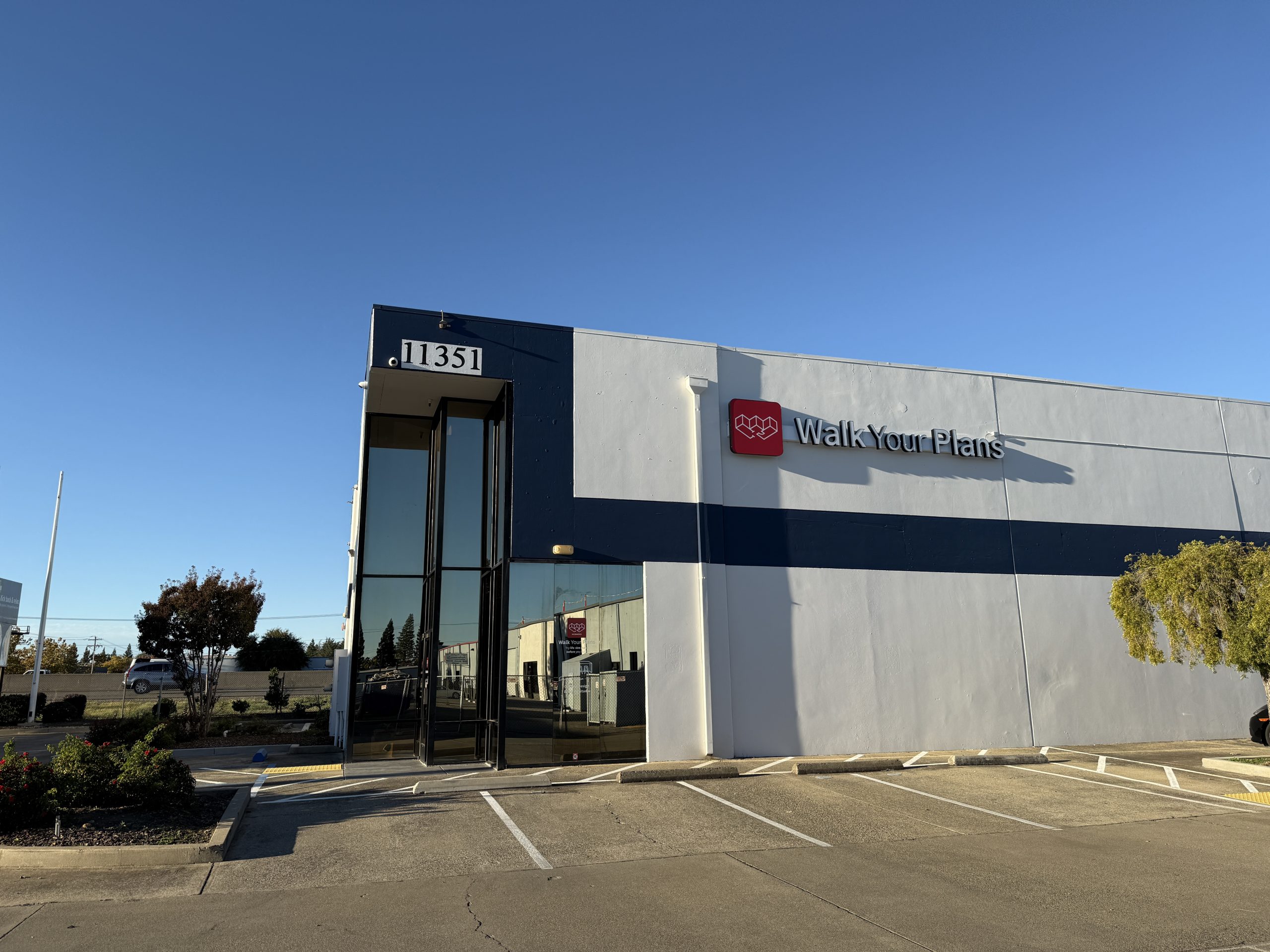
    That’s exactly why Walk Your Plans has opened a new location in Sacramento — offering a full-scale, true-to-size way to physically walk your floor plan before construction begins.

    At Parrish Construction, we believe great remodeling starts with clarity. Walk Your Plans gives homeowners, designers, and builders an opportunity to step inside their layout early in the design phase — reducing uncertainty, avoiding costly change orders, and making confident decisions before framing ever begins.

    Below, Beth Williams, owner of Walk Your Plans Sacramento, shares the story behind the company, her background in kitchen and bath design, and why this process can be such a game-changer for homeowners, designers, and builders alike.

    Owner Beth Williams with her husband and daughter
    Owner, Beth Williams with her husband and daughter.

    How did Walk Your Plans get started?

    Walk Your Plans was founded in 2023 out of a very real frustration with understanding construction plans. The founders were building a vacation home with multiple bedrooms and what was labeled as a “great room.” Once construction was underway, they realized the space couldn’t actually accommodate the number of people staying in the home. The joke is that the “great room” functioned more like a “good room.”

    The issue wasn’t poor intentions or bad planning; it was that the scale and function of the space weren’t fully understood until it was too late to change affordably.

    That experience sparked the idea behind Walk Your Plans: projecting plans at full scale so people can physically walk their spaces before construction begins. After building the concept, a video demonstrating the process went viral on Instagram, confirming that this was a widespread problem across the industry.

    In 2024, Walk Your Plans signed its first licensed location. As of 2026, there are 26 open locations nationwide, with an estimated 50 locations projected by the end of the year.

    In late 2024, Walk Your Plans entered a new chapter under the ownership of Beth Williams, who brought the concept to Sacramento and opened the local location in October 2025.

    What exactly is Walk Your Plans?

    Walk Your Plans allows clients to physically walk through their construction plans at full scale, translating drawings into real-world understanding before construction begins.

    The experience is designed for:

    • Homeowners
    • Designers
    • Builders and contractors
    • Anyone overwhelmed by plans, elevations, or scale

    Can you share a bit about your background prior to opening Walk Your Plans?

    I’ve spent my career in kitchen and bath design, helping homeowners translate ideas, inspiration, and real-world constraints into layouts that function in everyday life. My work has always lived at the intersection of design intent, construction realities, and budget. Basically, I’d help clients balance what they want with what’s practical and achievable.

    Personally, I’m drawn to space planning and problem-solving. I genuinely enjoy helping people create homes that support how they live, not just how the space looks. A home should feel like a sanctuary. It should be a place that reduces stress, not one that creates it through poor layout or overlooked decisions.
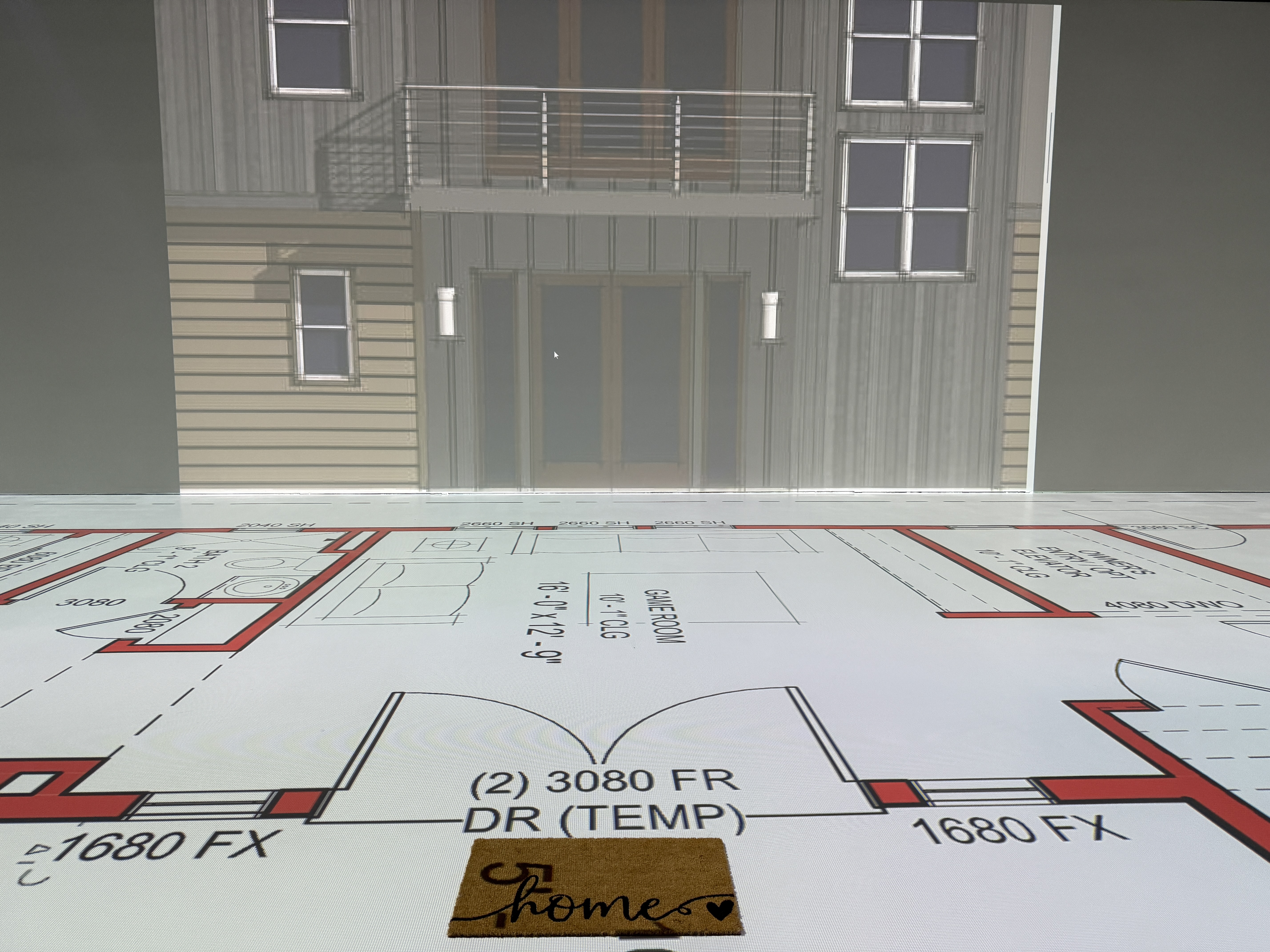
    Walk Your Plans session in action

    What initially drew you to Walk Your Plans and led you to open the Sacramento location?

    In 2024, I was actively looking for an opportunity to do something more within the industry and ultimately work for myself. I came across Walk Your Plans on Instagram and immediately thought, that’s a great idea.

    After spending time learning about it, and having a lot of conversations at home, my husband and I flew to Cleveland to experience it in person. Seeing the technology firsthand sparked countless ideas. It directly addressed many of the challenges I’d faced with clients for years, especially around communication, visualization, and decision-making.

    A few months later, I signed on to open the Sacramento location and began the process of bringing Walk Your Plans to this market.

    What problem does Walk Your Plans solve that you see most often in your work?

    Most clients are not visual, and pre-construction can be an incredibly difficult phase because of that. I saw it constantly: spouses disagreeing, projects stalling, and months spent trying to finalize layouts, particularly in kitchens, before even getting to finishes.

    Some homeowners walked away from remodeling altogether because they didn’t fully understand what they were committing to and felt uneasy about the investment.

    Even more challenging were situations where clients believed they understood the plans, signed off, and later said, “This isn’t what I thought it would be,” once construction had already started.

    Walk Your Plans addresses that gap by helping people truly understand their space before they commit, reducing confusion, hesitation, and costly mistakes.
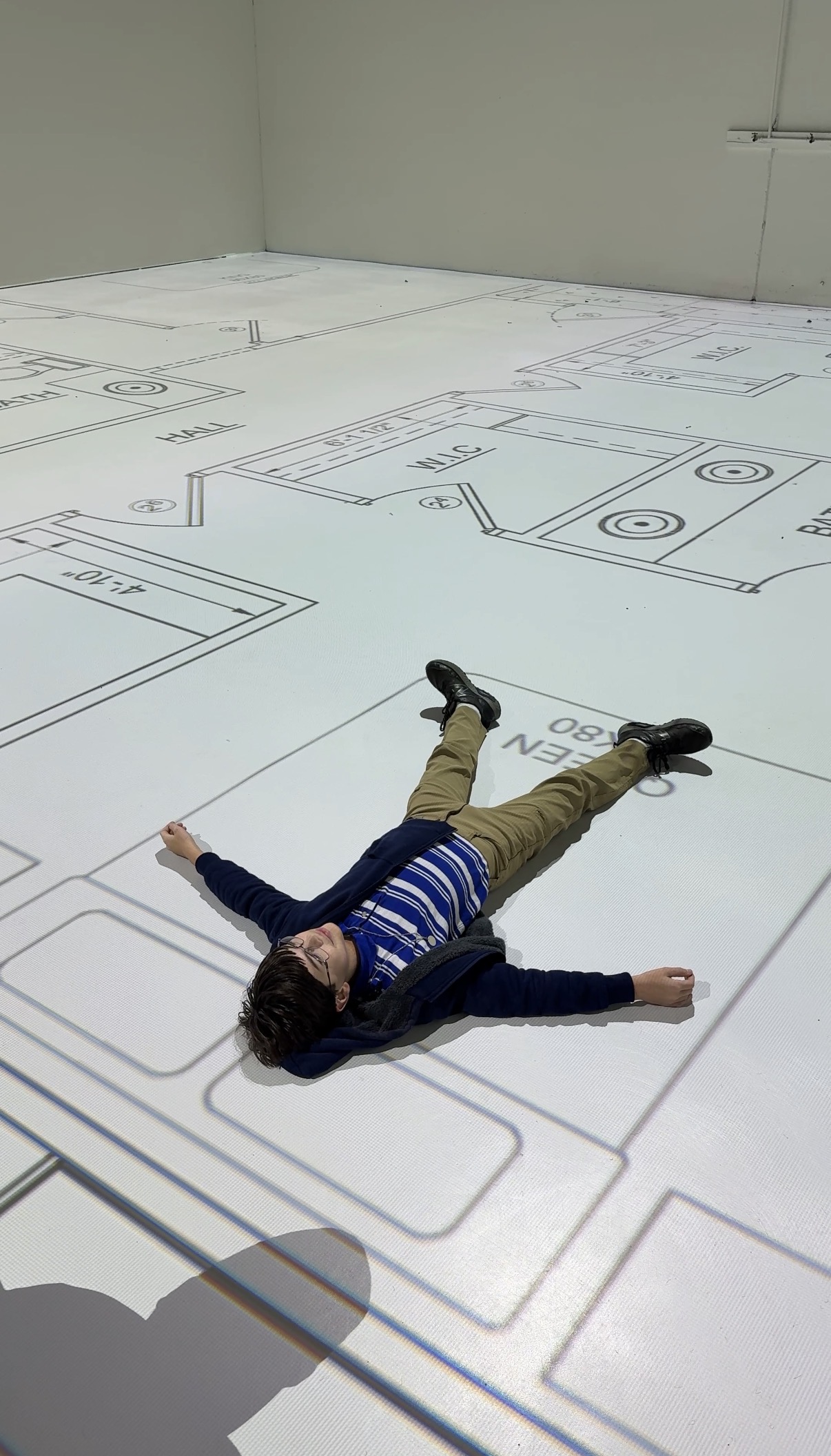
    Full-scale floor plan projection at Walk Your Plans

    What do clients often realize during a Walk Your Plans session that surprises them?

    It’s hard to fully grasp the value of Walk Your Plans until you experience it. It’s wild how you’ll stare at blueprints for months on a screen and then suddenly when the plans are blown up to real size at your feet, little mistakes become very apparent.

    Things like door swings interfering with furniture, windows not aligning as expected, or clearances feeling tighter than imagined suddenly become very clear. And those details matter. The difference between 42 inches and 48 inches doesn’t always register on paper, but it absolutely impacts how a space feels and functions every day.

    Most change orders aren’t caused by bad decisions; they happen because decisions are made too late, once people finally understand their space. If those realizations happen after drywall goes up, changes become expensive very quickly.

    Our goal is to help people understand their investment earlier, make informed decisions, and avoid those costly downstream surprises.
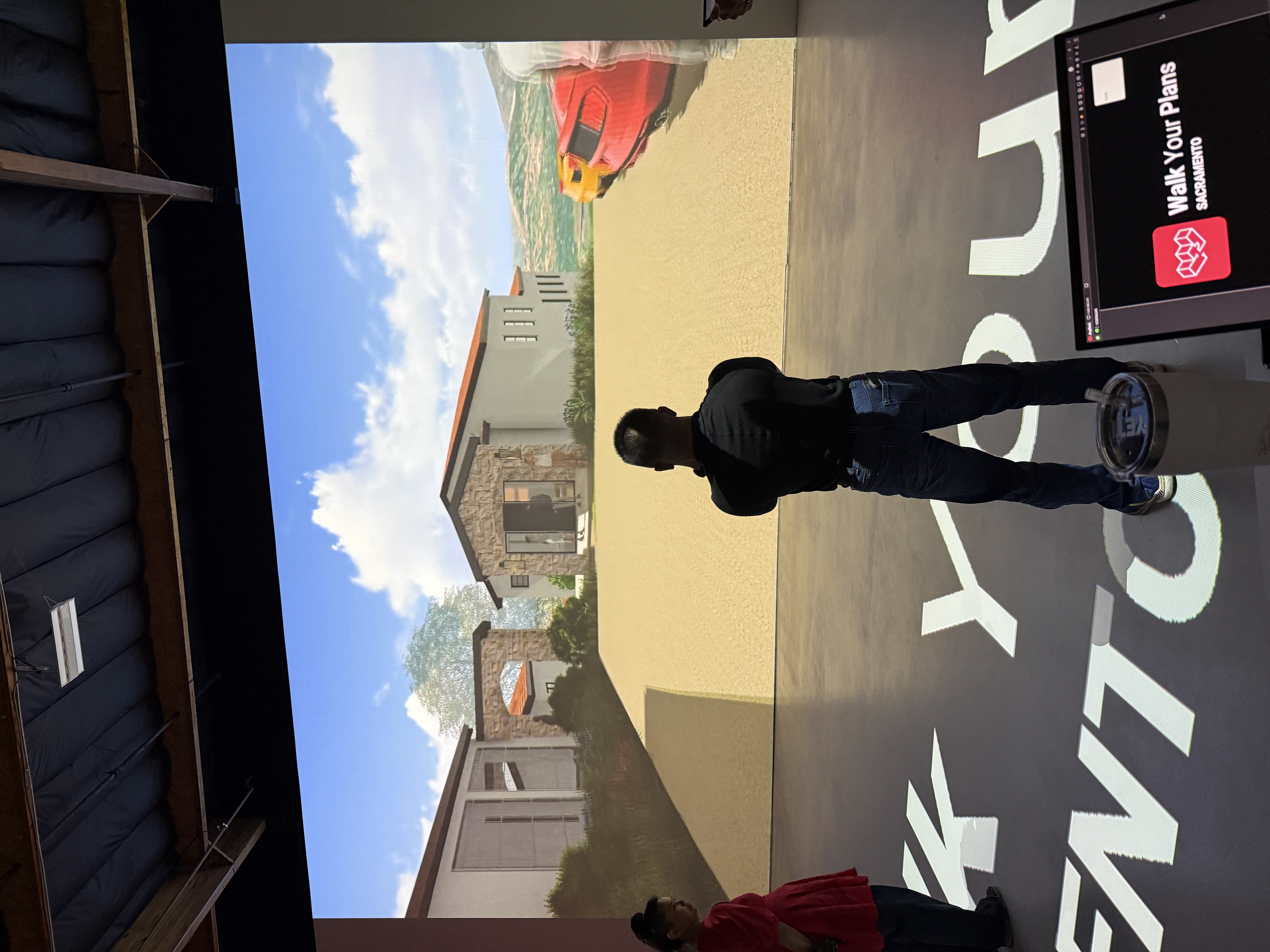
    Client walking their floor plans at full scale

    Why is the Walk Your Plans experience intentionally simple?

    People are often surprised by how effective the 2D experience is. I’m frequently asked whether Walk Your Plans is 3D or uses VR, and the honest answer is that it doesn’t need to.

    In many cases, the simplicity is where the real value lies. By removing goggles, headsets, and unnecessary “props,” people stay grounded in the actual space — focusing on scale, flow, and function instead of being distracted by effects.

    We can still display 3D renderings or full-color mockups on the wall for reference, but the understanding happens when you’re physically walking the plan at full scale.

    Walk Your Plans delivers clarity around space without adding layers of technology that can sometimes get in the way of good decision-making.

    Can you share an example of the impact Walk Your Plans can have?

    One of my favorite client experiences so far was actually with a builder who came in to demo the service. We walked the plans for a home that was already under construction, with framing actively up in the field.

    During the session, the team identified five to eight layout issues and improvement opportunities they hadn’t caught previously. Their immediate response was to call the homeowner and head back to the jobsite to make adjustments.

    Even at the framing stage, the cost to correct these layout issues was significantly lower than it would have been after finishes were installed. At that point, most homeowners end up living with daily frustrations because the changes become too expensive to justify.

    The real difference is that a Walk Your Plans session shows how everything interacts. You’re not just looking at walls in isolation, you’re seeing framing alongside electrical, windows, door swings, cabinetry, finishes, and furniture, which we can populate on the spot during the session. It’s a real-size working session designed to help people understand how all the parts work together, because that’s ultimately how the space will be experienced and used.
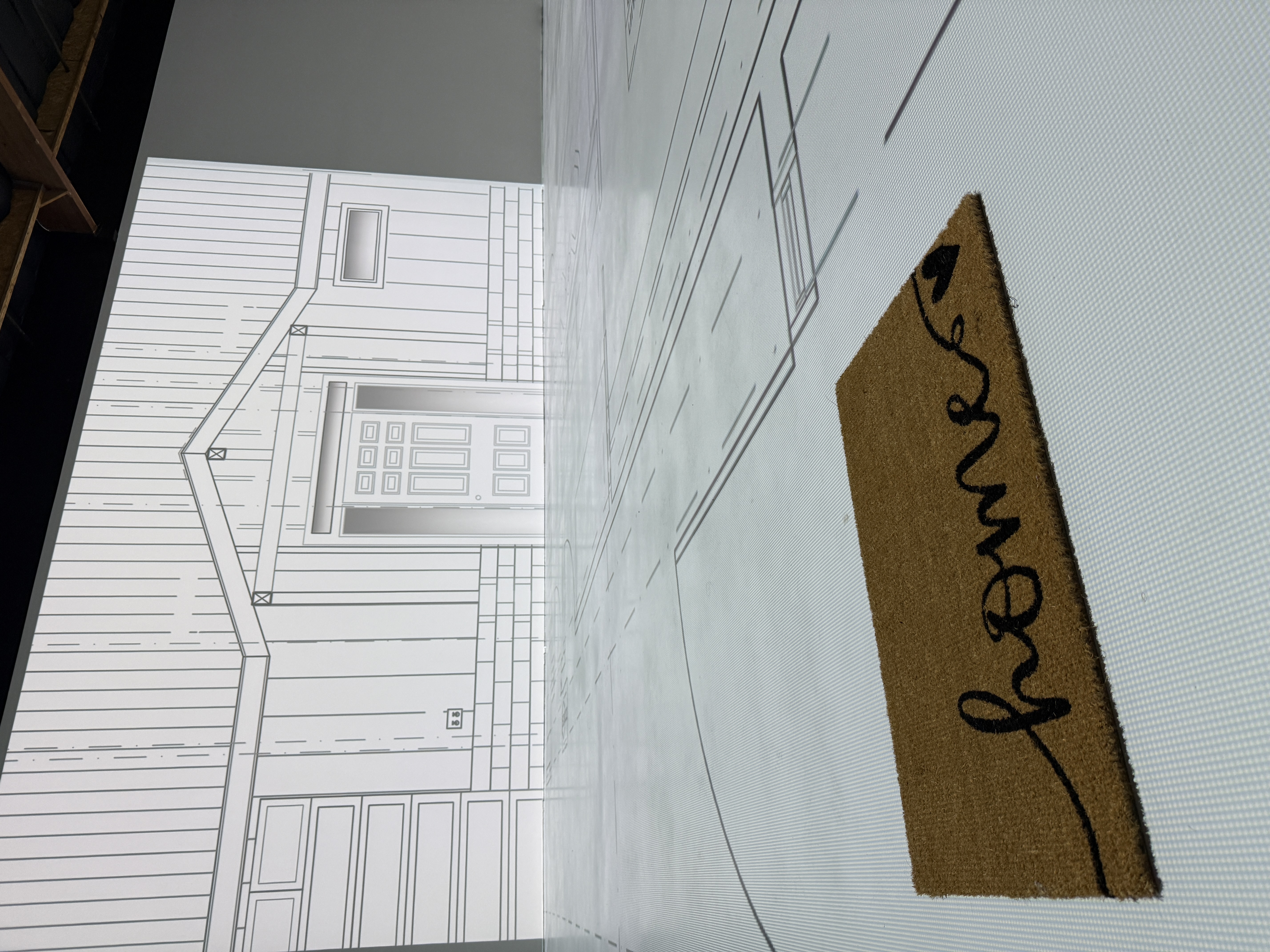
    Walk Your Plans detail showing full-scale layout

    How Parrish Construction Uses Walk Your Plans

    As a Sacramento design-build remodeling company, we see Walk Your Plans as a powerful planning tool — especially for larger kitchen remodels, primary bathroom reconfigurations, and home additions where layout decisions have long-term impact.

    During the design and pre-construction phase, one of the biggest challenges homeowners face is understanding scale. The difference between a 4-foot and 5-foot island clearance. How a door swing interacts with cabinetry. Whether a hallway feels open or tight.

    Being able to physically walk the layout helps remove doubt before permits are finalized and materials are ordered. It’s not about second-guessing the design — it’s about strengthening it.

    If you’re planning a remodel in Sacramento and want to feel completely confident in your layout before construction begins, we’re happy to coordinate a Walk Your Plans Session as part of your design process. It’s one more way we help our clients build smarter — not just build beautifully.

    Interested in Walking Your Plans?

    Walk Your Plans Sacramento logo
    Walk Your Plans Sacramento
    Full-Scale Floor Plan Experience Studio

    Visit Their Main Website | Book a Session | Follow on Instagram | Connect on LinkedIn
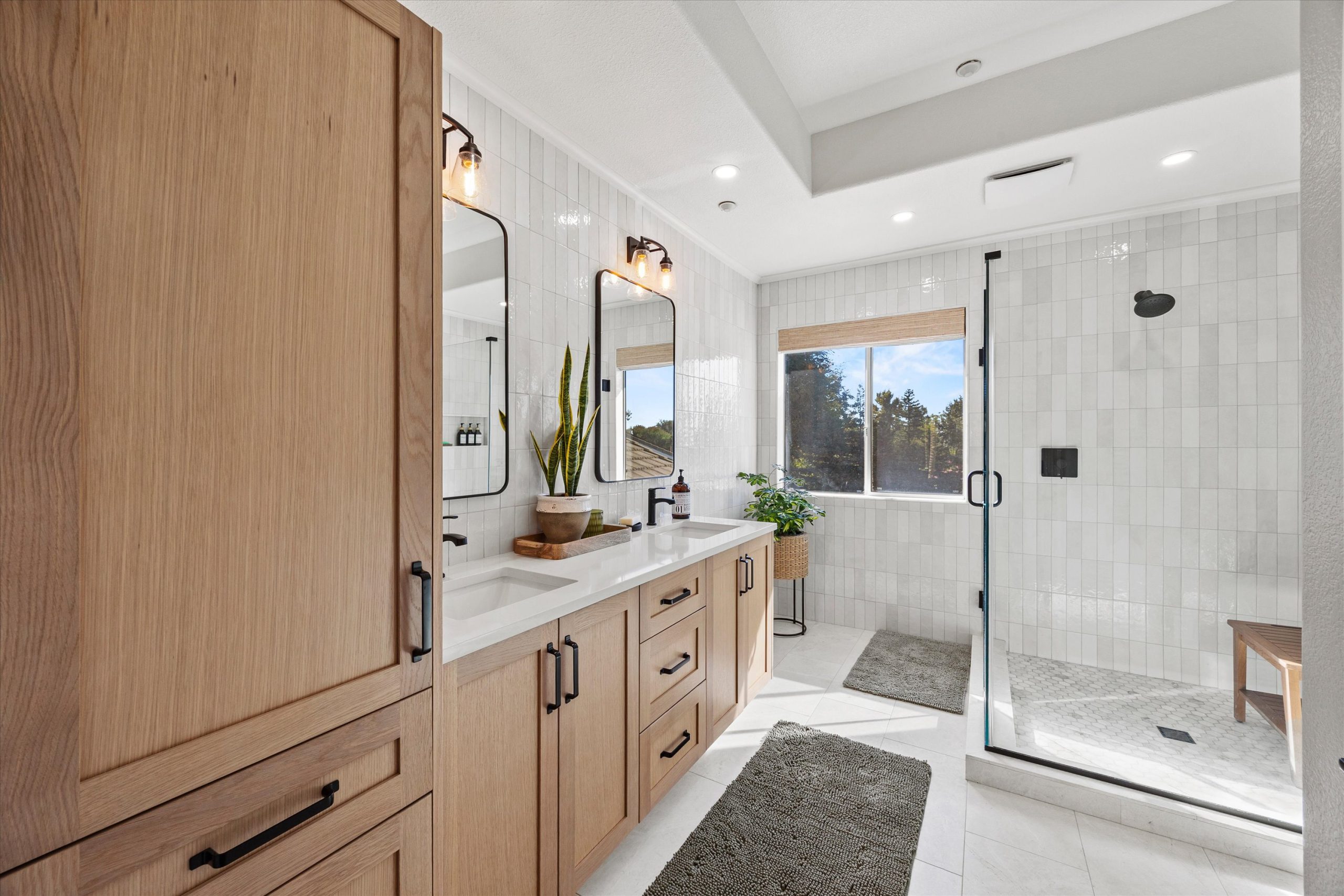
  • When Thoughtful Design Matters: A Bathroom Remodel Recognized by NARI

    When Thoughtful Design Matters: A Bathroom Remodel Recognized by NARI

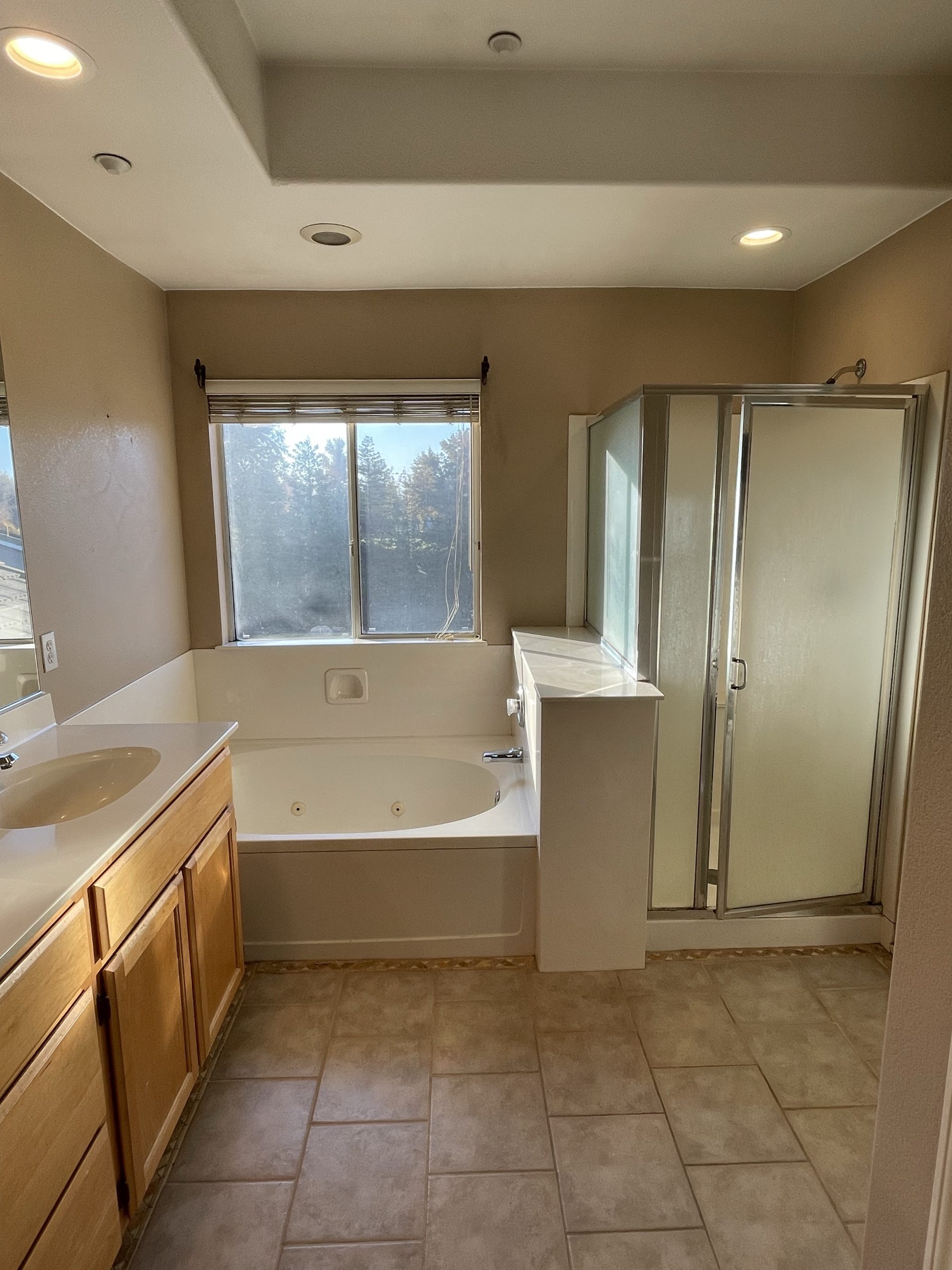
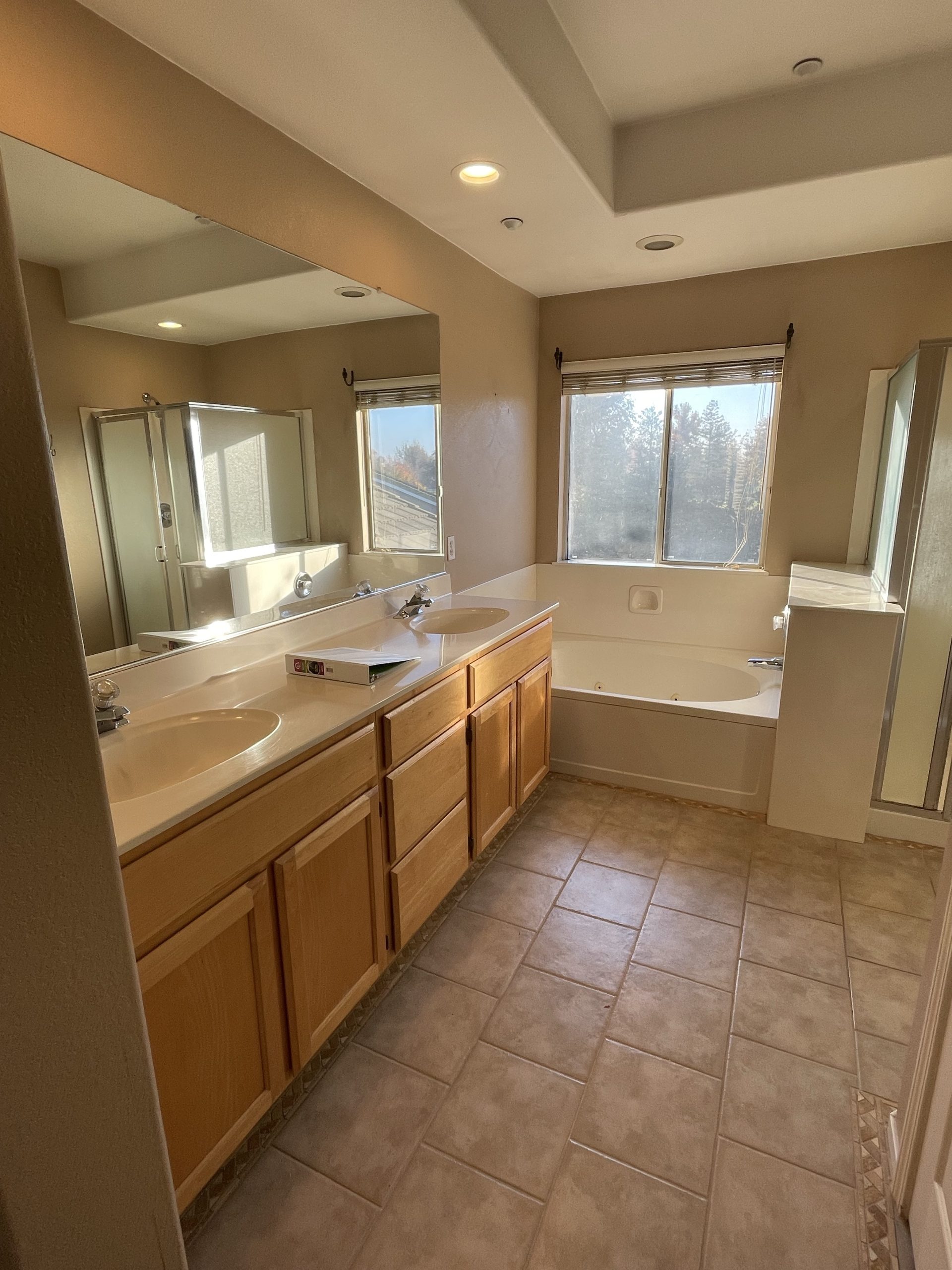
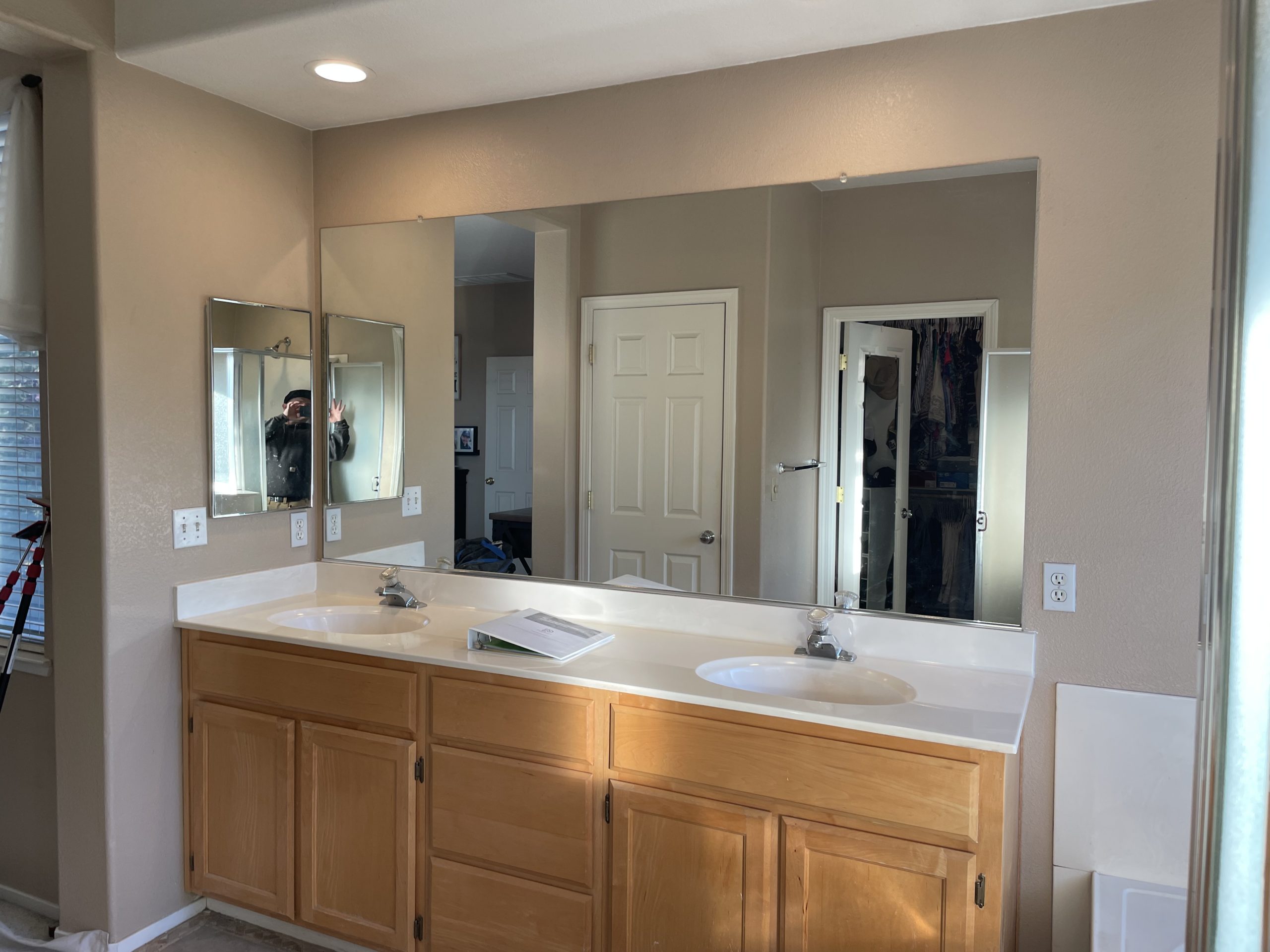
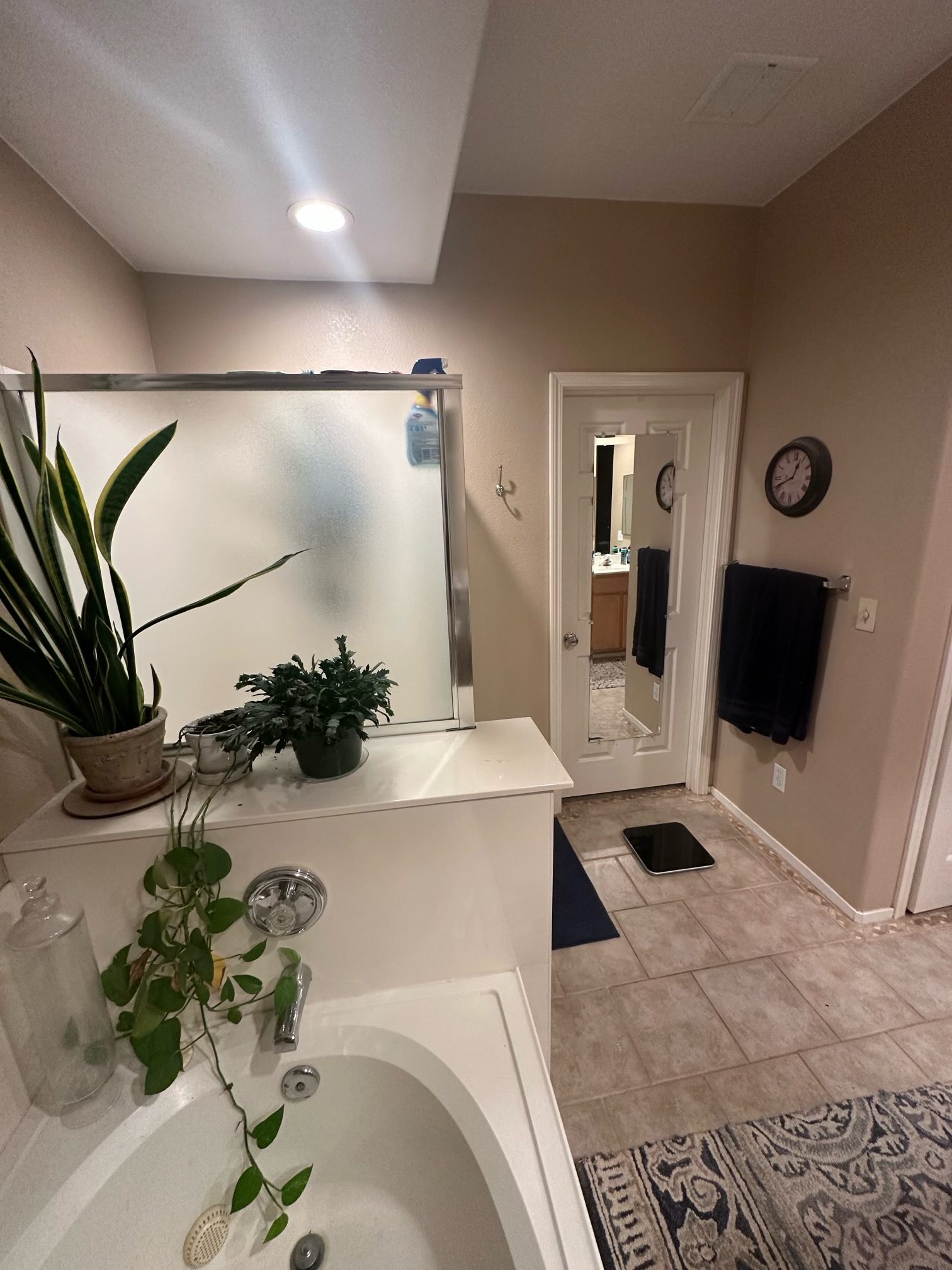
    Most remodeling awards don’t start with a trophy in mind. They start with a homeowner problem that needs to be solved well. This Sacramento-area bathroom remodel was no exception.

    Recently, one of our projects was recognized with a Remodeler of the Year Award from the National Association of the Remodeling Industry (NARI), in the category Residential Bath Under $40,000 for the Greater Sacramento Area. While we’re grateful for the recognition, what made this project special had far more to do with the decisions made along the way than the award itself.

    Project Highlights

    • Location: Sacramento Area, CA
    • Project Type: Primary Bathroom Remodel
    • Budget: $36,000
    • NARI Category: Residential Bath Under $40,000
    • Design Focus: Space efficiency, resale-aware upgrades, modern warmth
    • Timeline: 6 weeks
    • Recognition: 2025 NARI Remodeler of the Year – Greater Sacramento
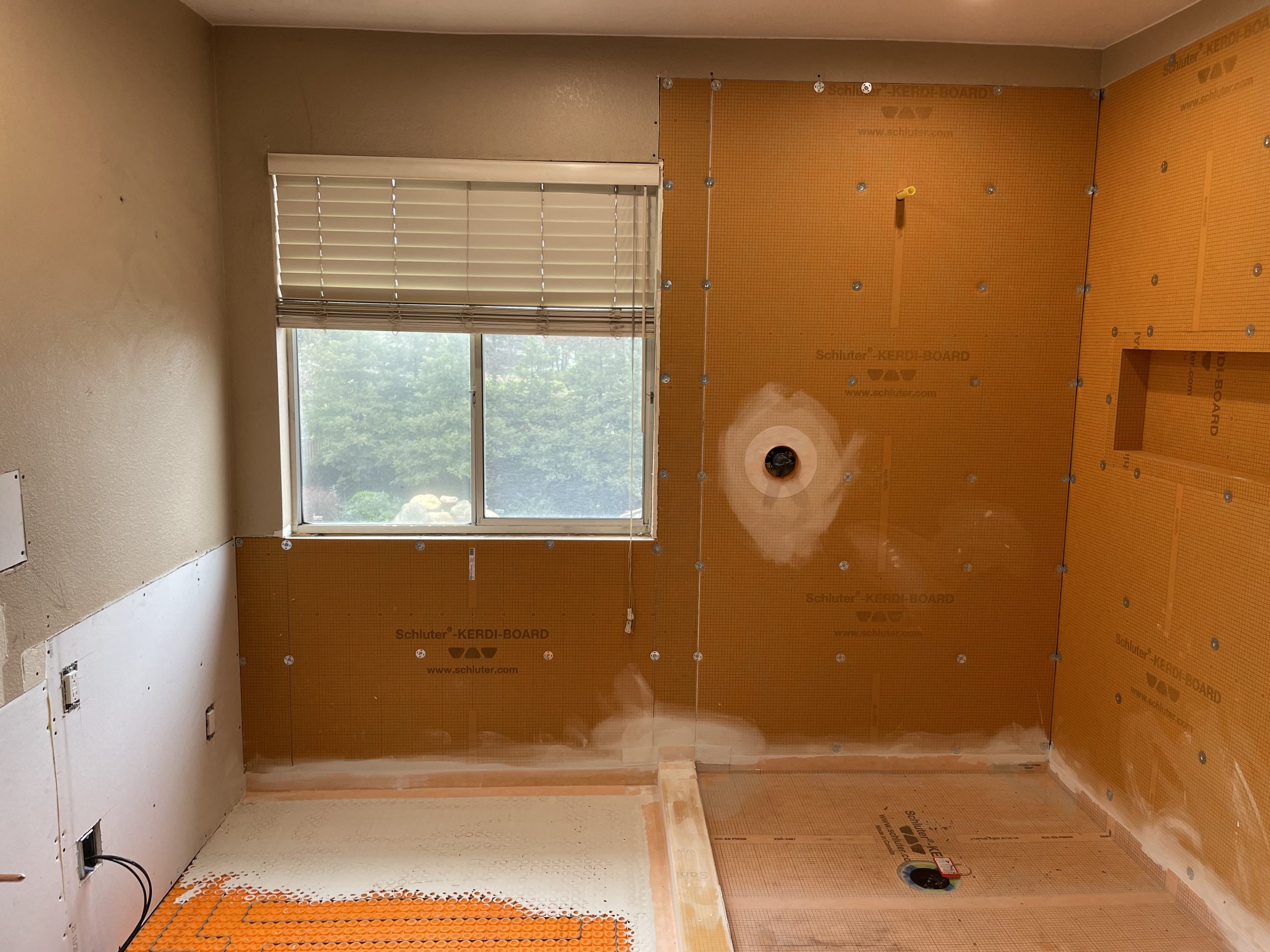
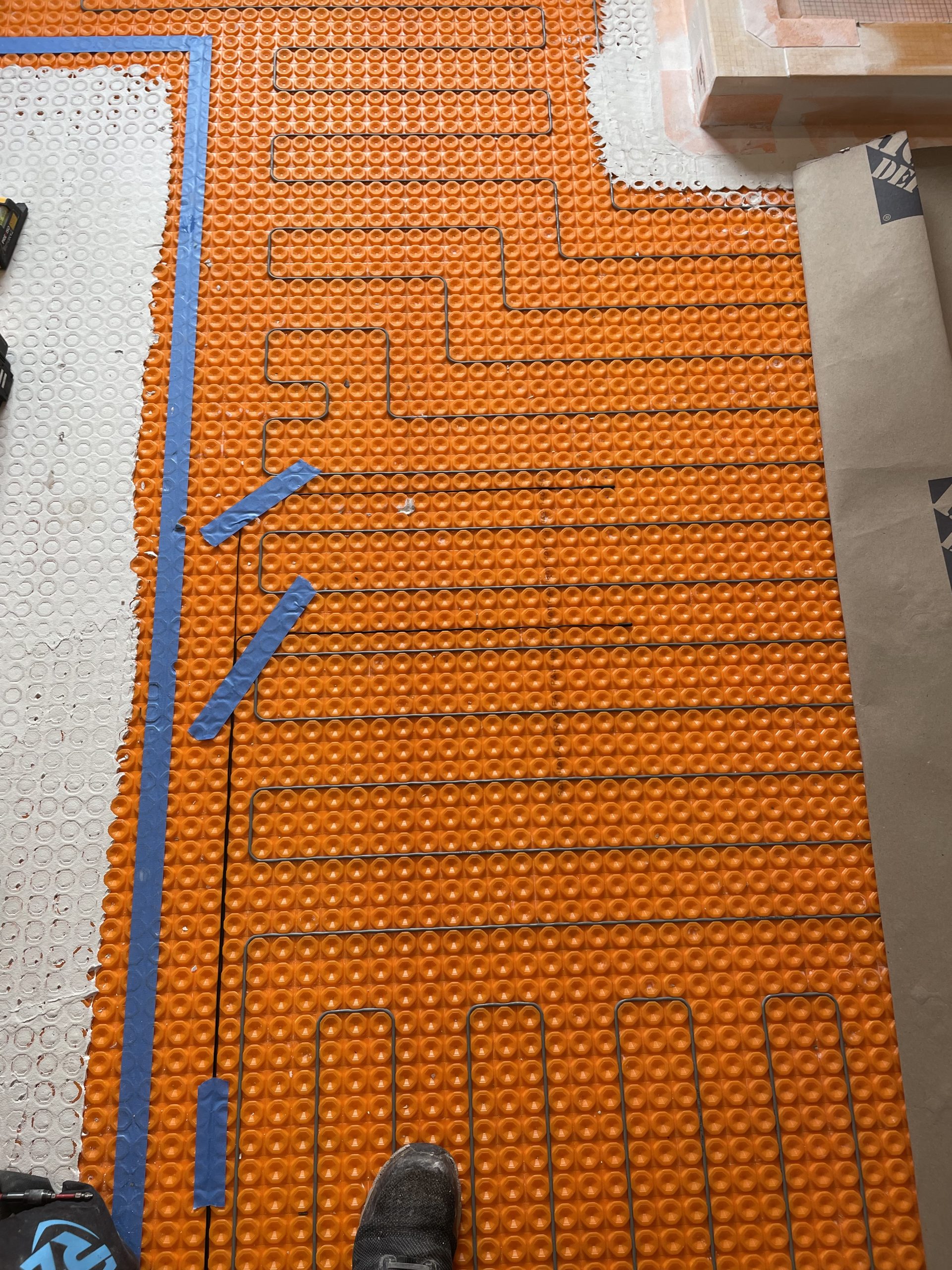
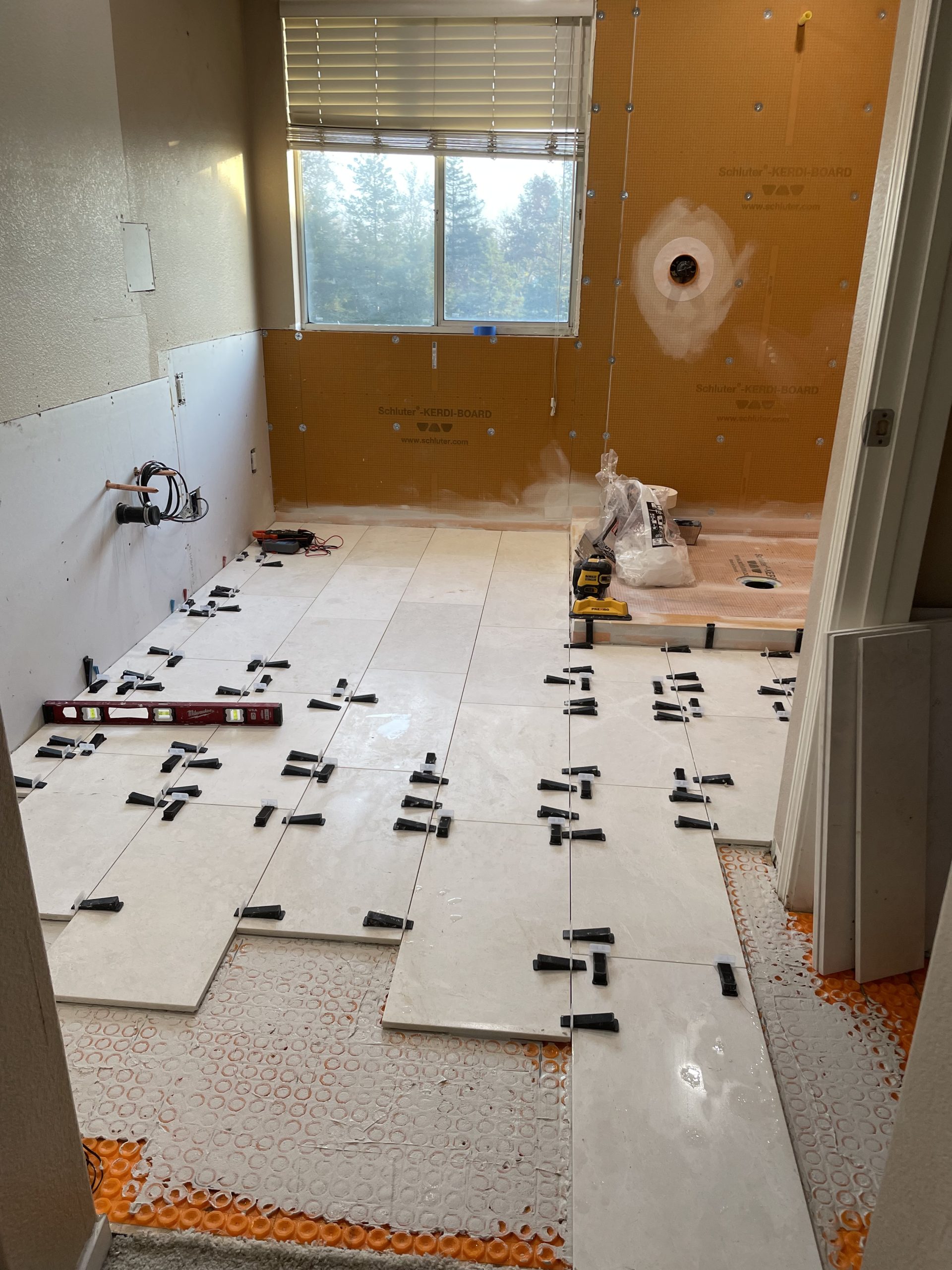
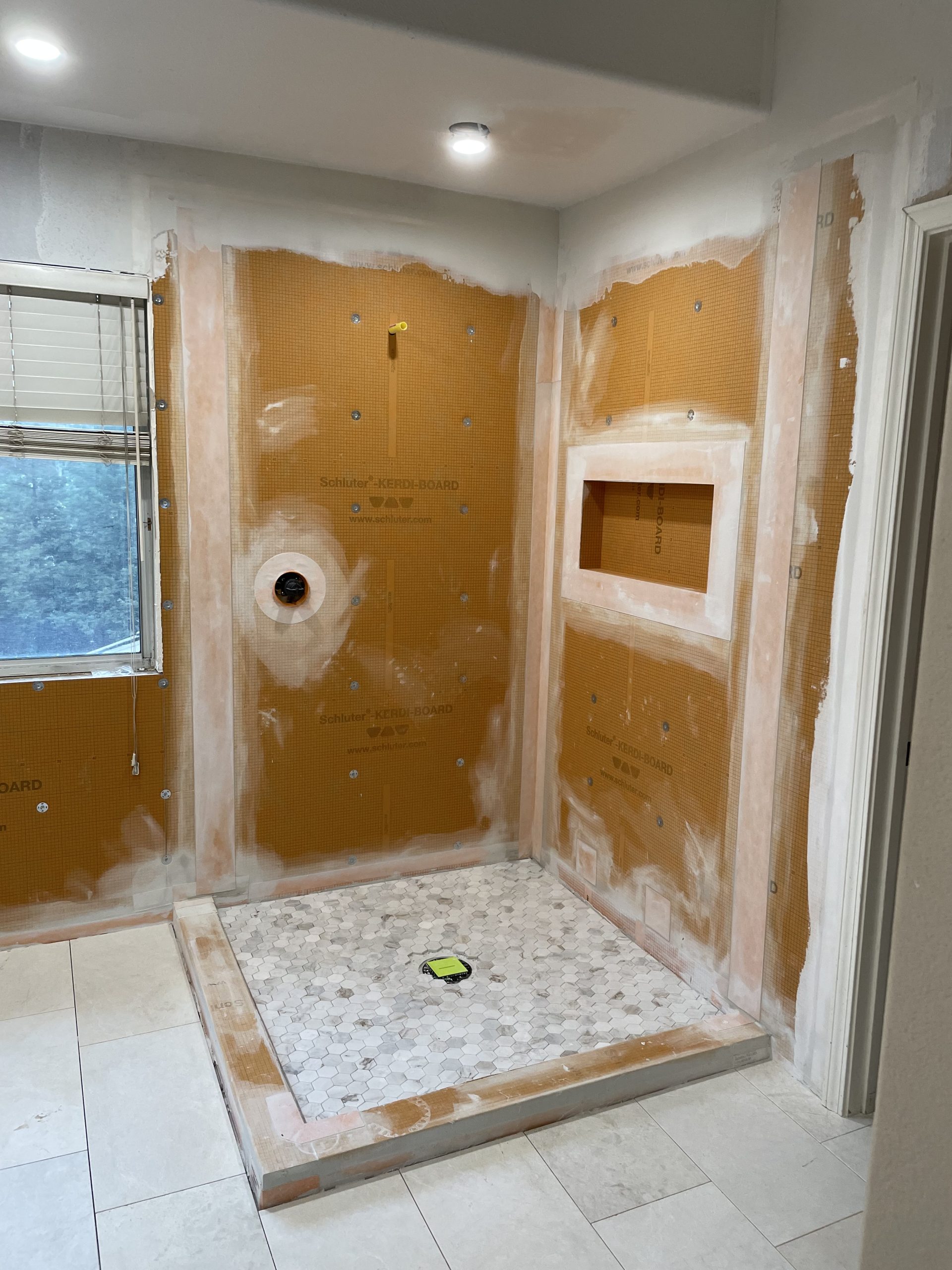
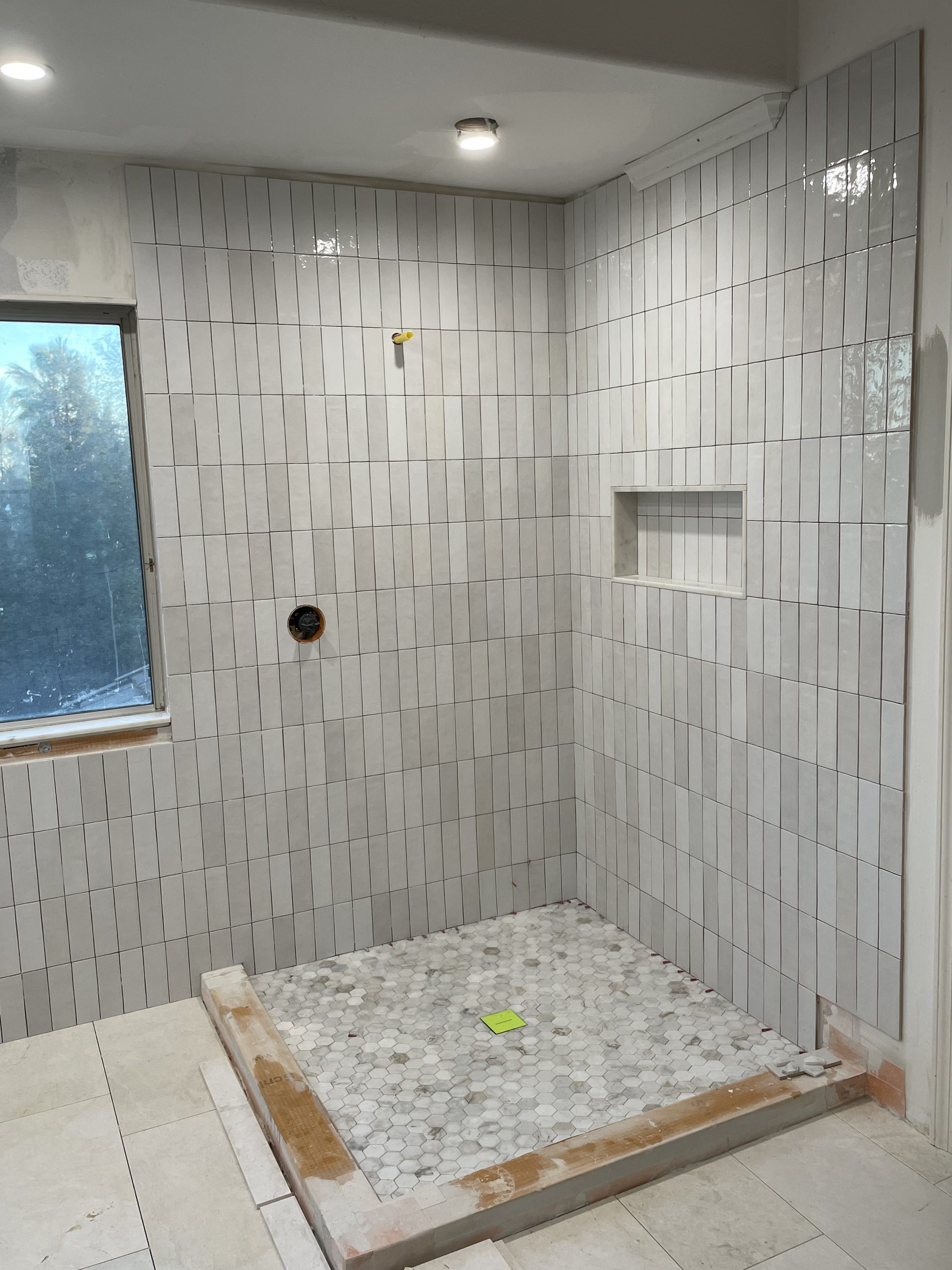
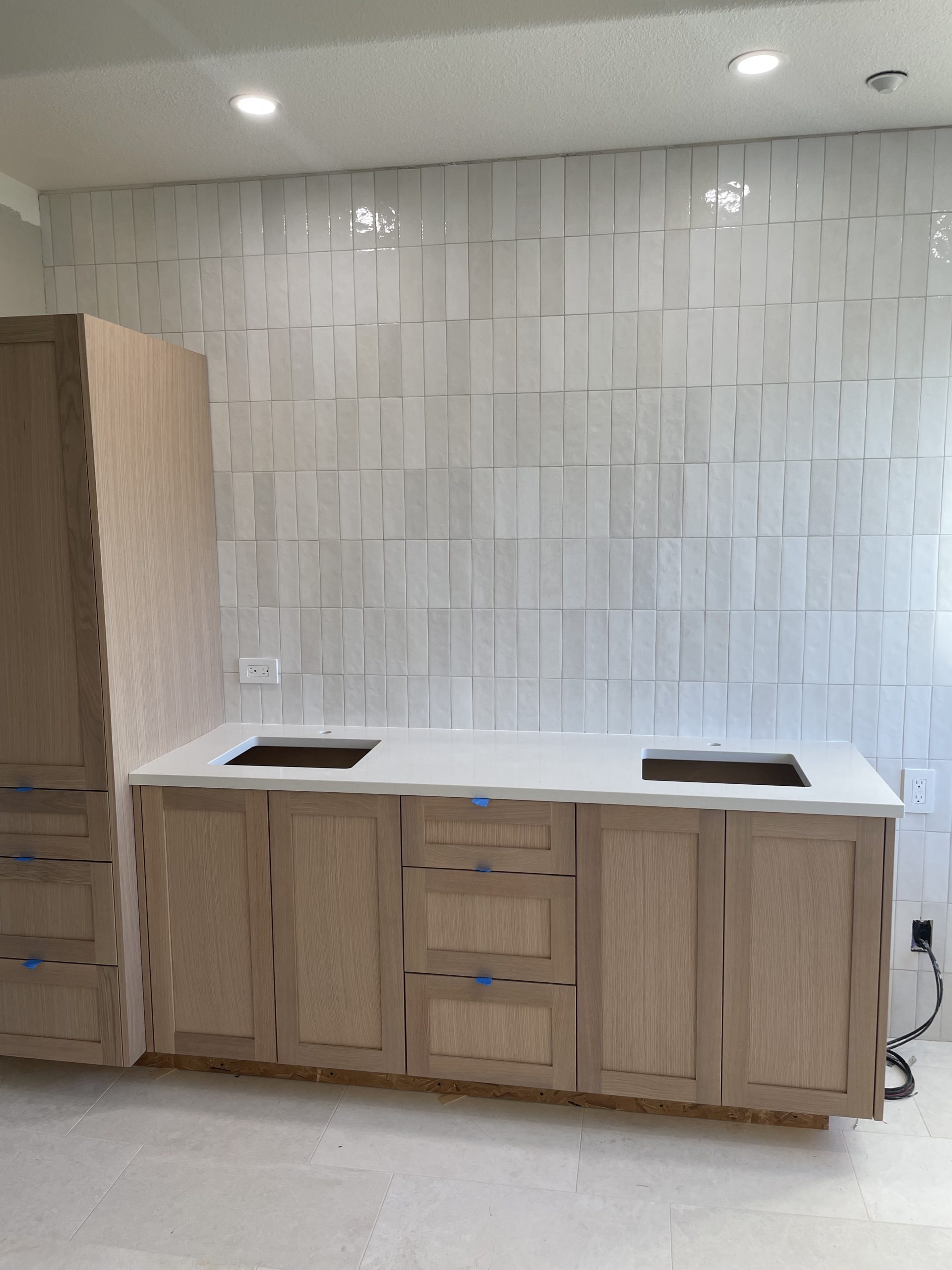
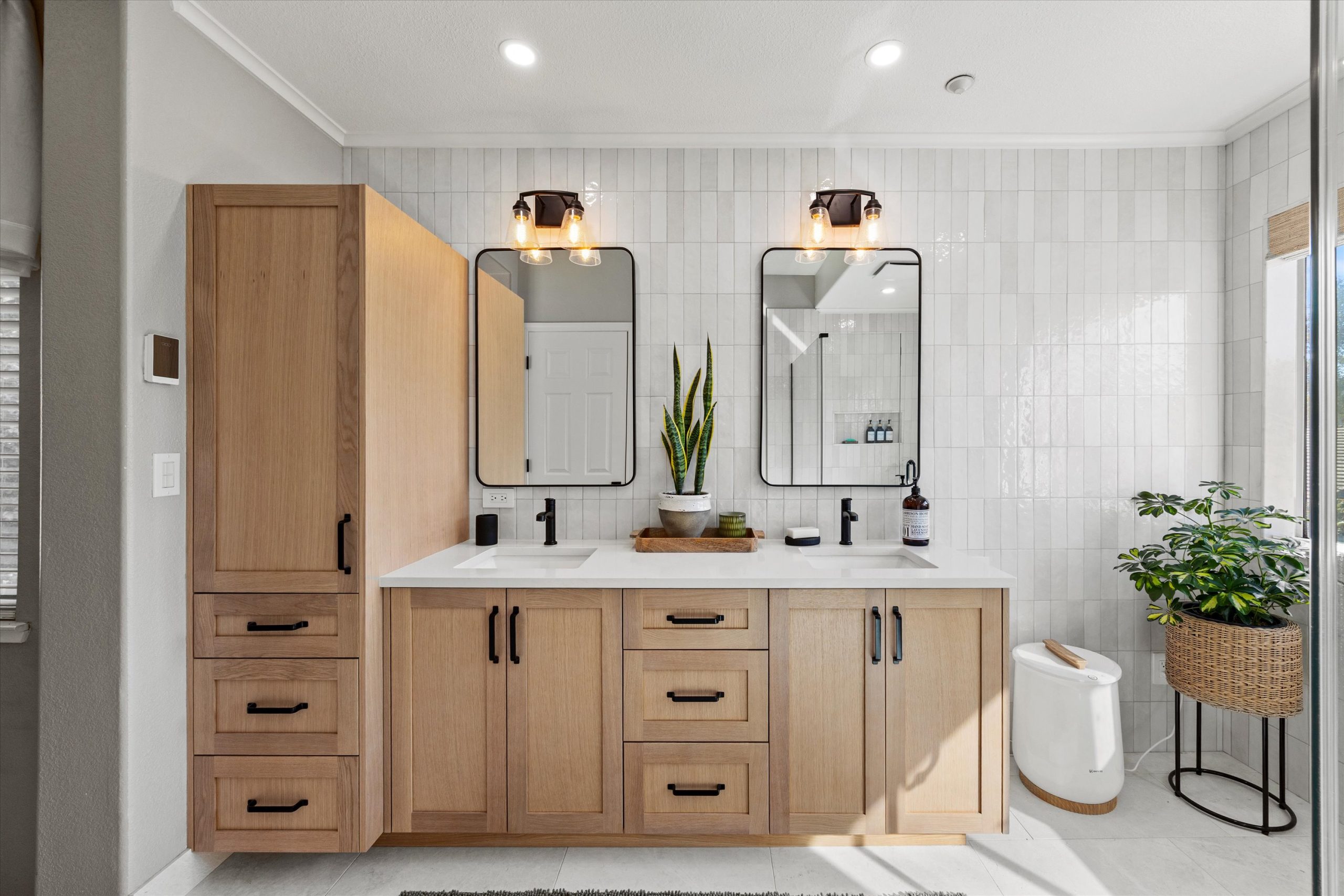
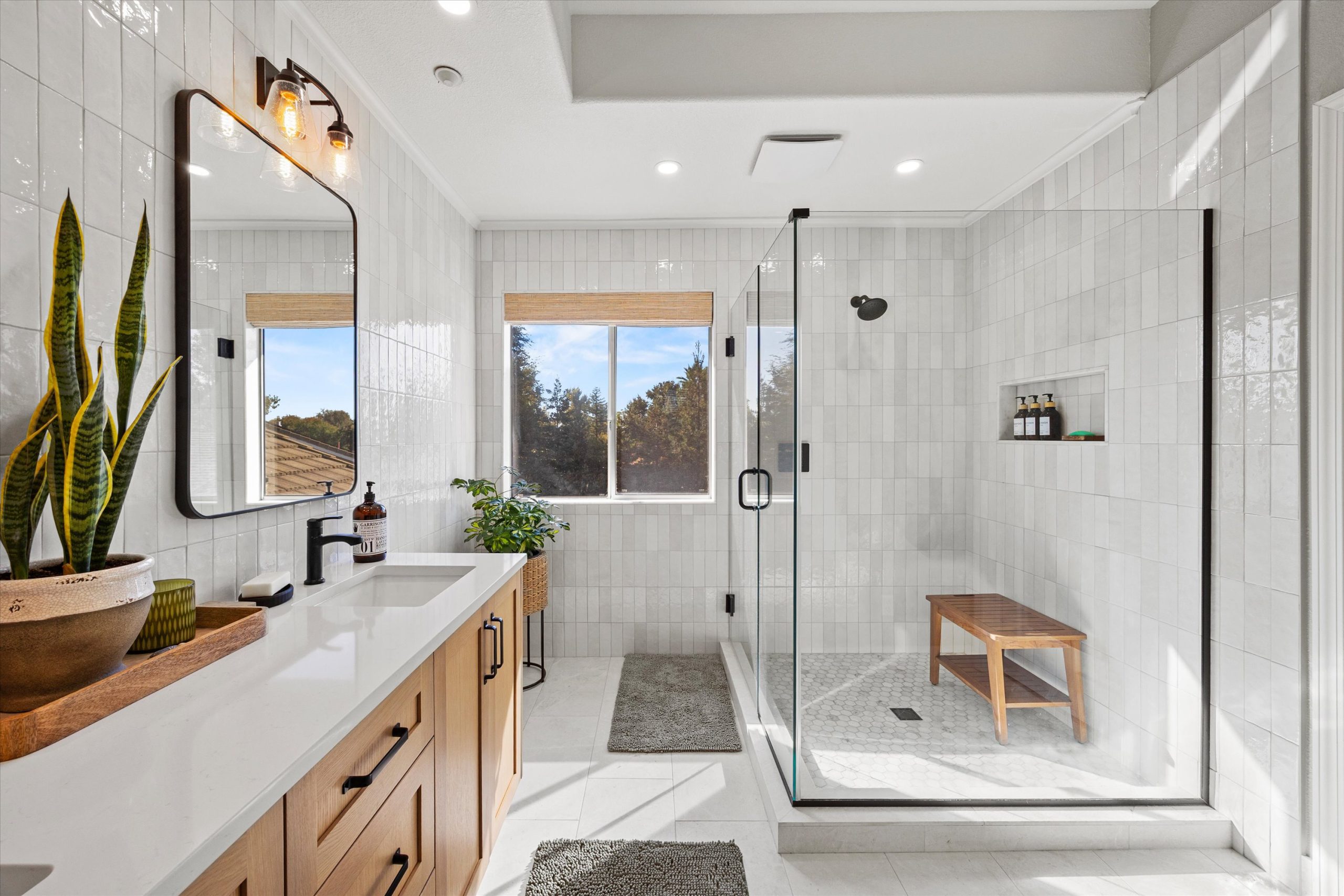
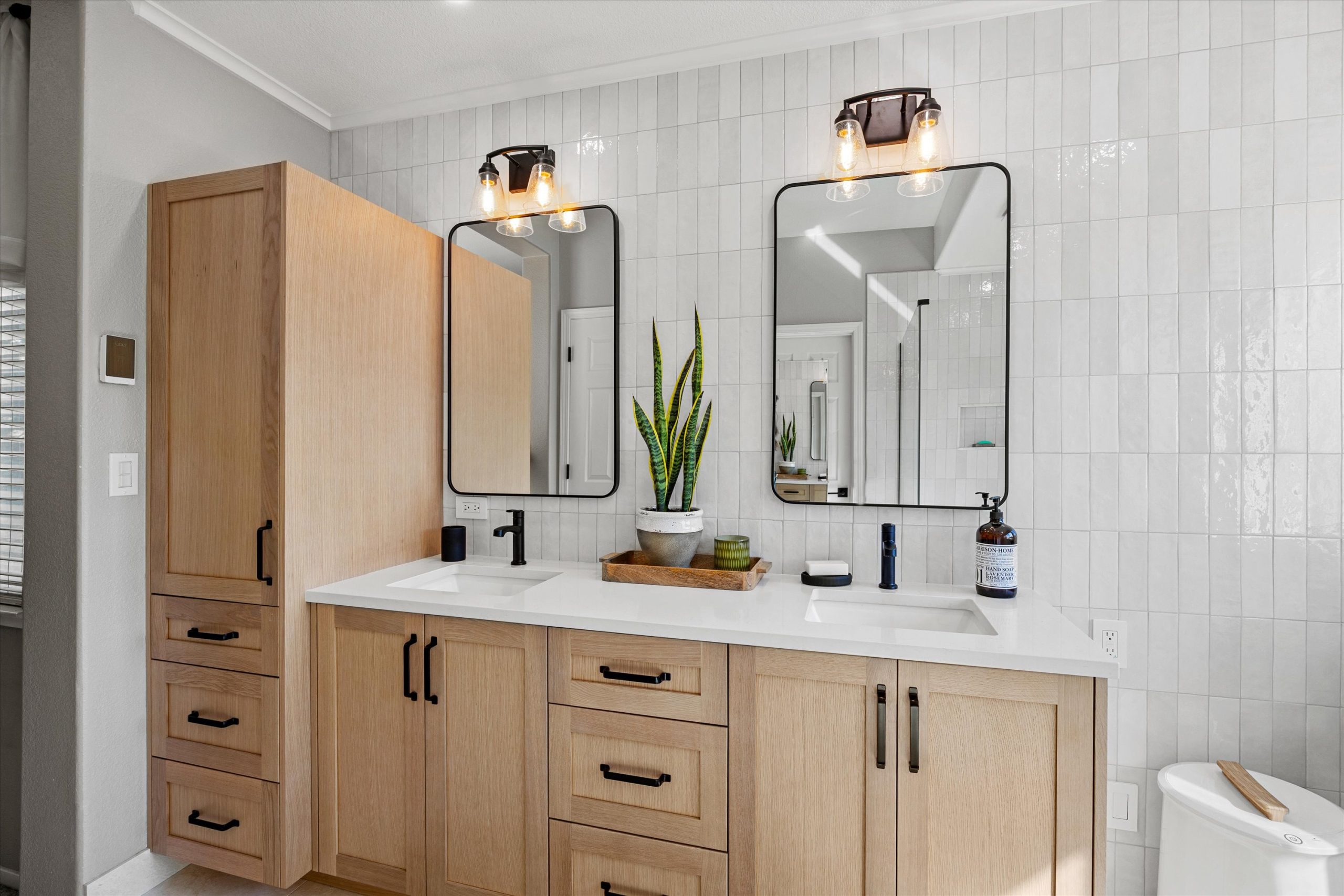
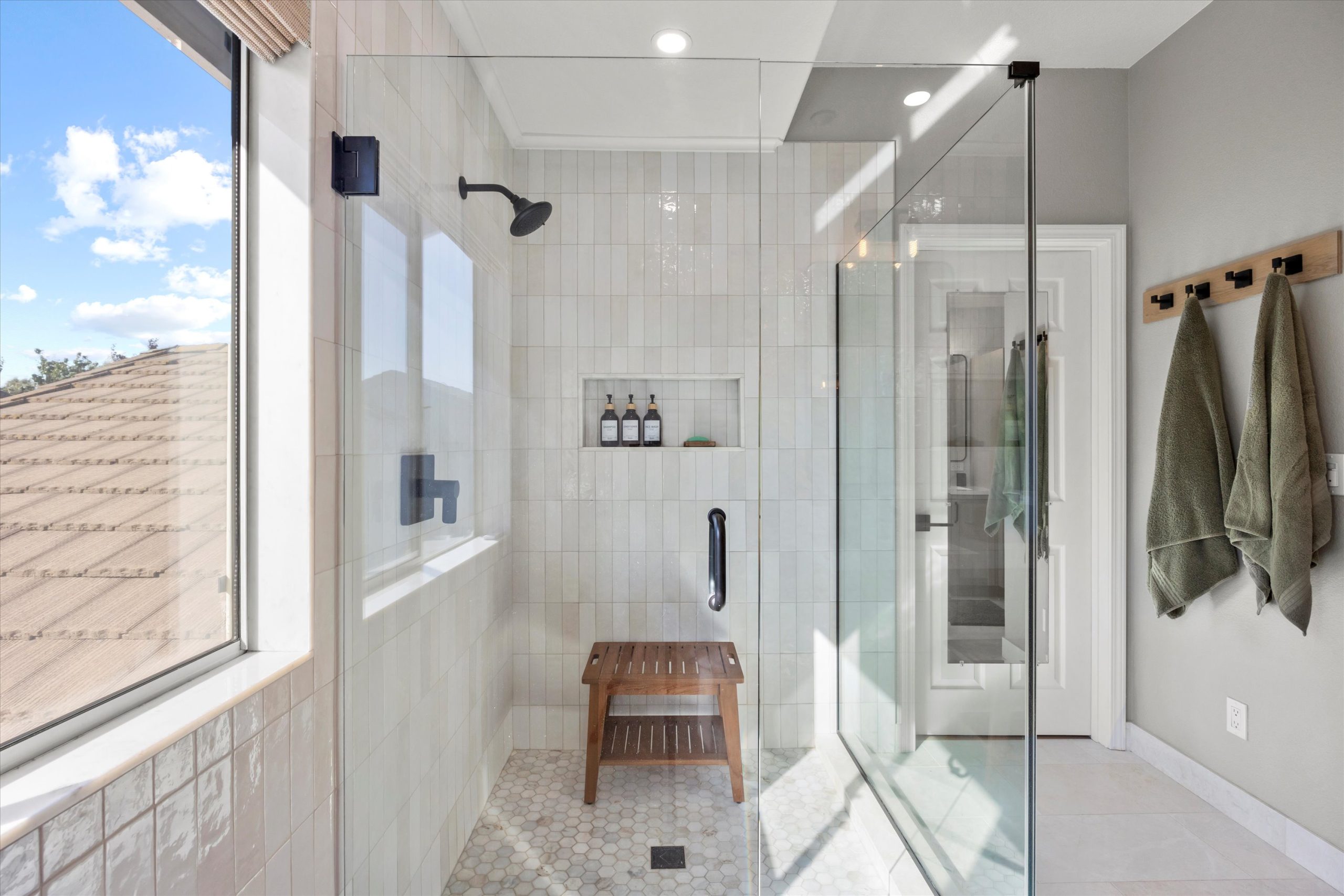
    NARI Award-winning bathroom remodel project highlights

    The Starting Point: A Bathroom at a Crossroads

    The homeowners initially reached out after water damage was discovered behind their primary shower, extending into an adjacent closet. While the leak itself had already been repaired, the aftermath left exposed walls, missing finishes, and an opportunity to reassess the space as a whole.

    Like many Sacramento homeowners, they weren’t sure if this would be a “forever” remodel or a strategic update to improve comfort now and resale value later. That uncertainty became the foundation for how we approached the project.

    Establishing a Smart, Flexible Budget

    Rather than designing toward extremes, we worked with the homeowners to establish a $36,000 working budget that balanced durability, modern design, and neighborhood-appropriate investment.

    This budget aligned with what we consider an Enhanced Bathroom Remodel — a tier designed for Sacramento-area homes where thoughtful planning and finish selection can dramatically improve the space without unnecessary excess.

    Every design decision was filtered through three questions:

    1. Does this improve everyday usability?
    2. Does it elevate the look and feel of the bathroom?
    3. Does it make sense for this home and market?

    Design Decisions That Made the Difference

    With a compact footprint—approximately 60″ wide by 106″ deep—every inch mattered. Key upgrades included:

    • A low-profile, charcoal-toned prefabricated shower pan to maximize usable shower space
    • A 42″ walnut vanity with deep drawers and integrated power access for functional storage
    • A recessed, lighted medicine cabinet to add storage while maintaining a clean sightline
    • Carefully selected tile, lighting, and finishes to balance warmth, contrast, and longevity

    None of these choices were meant to steal attention on their own. Together, they created a bathroom that feels intentional, calm, and timeless.

    The Finished Result

    The completed bathroom feels larger, more functional, and visually grounded—without losing sight of the home’s overall value. Storage is improved, circulation is clearer, and the design feels current without chasing trends.

    Most importantly, the space now works for the homeowners today and makes sense for the future.

    Why This Sacramento Bathroom Remodel Was Recognized

    The NARI Remodeler of the Year awards are peer-reviewed, with projects evaluated on problem-solving, budget management, design execution, and craftsmanship.

    This project stood out not because it was the largest or most expensive bathroom remodel in Sacramento—but because it demonstrated how strong planning and disciplined decision-making can elevate a space within real-world constraints.

    What This Recognition Means to Us

    Awards are never the goal—but they matter when they reflect the values we bring to every bathroom remodel:

    • Clear communication
    • Thoughtful design
    • Respect for budget and context
    • Craftsmanship that lasts

    We’re proud of this recognition, and even more proud of the trust our clients place in us when remodeling one of the most important rooms in their home.

    If you’re considering a Sacramento bathroom remodel and want guidance on how to balance design, comfort, and long-term value, we’re always happy to start with a conversation.

  • The Power of Benefits: Enhancing Employee Wellness in Small Businesses

    The Power of Benefits: Enhancing Employee Wellness in Small Businesses

    What is Employee Wellness and Well-Being?

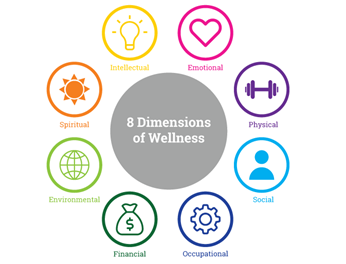
    Wellness isn’t just a buzzword in the workplace—it’s a vital investment in the long-term success of your business. The World Health Organization defines wellness as “not merely the absence of disease and infirmity” but an overall sense of well-being. Wellness isn’t just physical wellness, it’s intellectual, emotional, spiritual, environmental, financial, occupational, and social wellness. Addressing all of these aspects helps create more balanced and resilient employees.

    8 Dimensions of Wellness - Intellectual, Emotional, Physical, Social, Occupational, Financial, Environmental, Spiritual

    Why Does Employee Wellness Matter to Your Business?

    Unfortunately, small businesses have historically been known for having fewer or less benefits than larger companies. However, what many don’t realize is that for small businesses, it’s actually more important than ever to have strong benefits that support overall wellness. Offering strong benefits is crucial for attracting and retaining top talent, boosting employee morale, and maintaining long-term sustainability. Unlike large corporations that can rely on high salaries, small businesses can stand out by providing wellness-focused benefits, flexible work options, and comprehensive health plans. Investing in employee well-being leads to higher productivity, lower turnover, and a more engaged workforce—ultimately saving money and strengthening company culture.

    Research-Backed Benefits of Employee Wellness

    • Workers who feel supported in their well-being are significantly more engaged and productive.
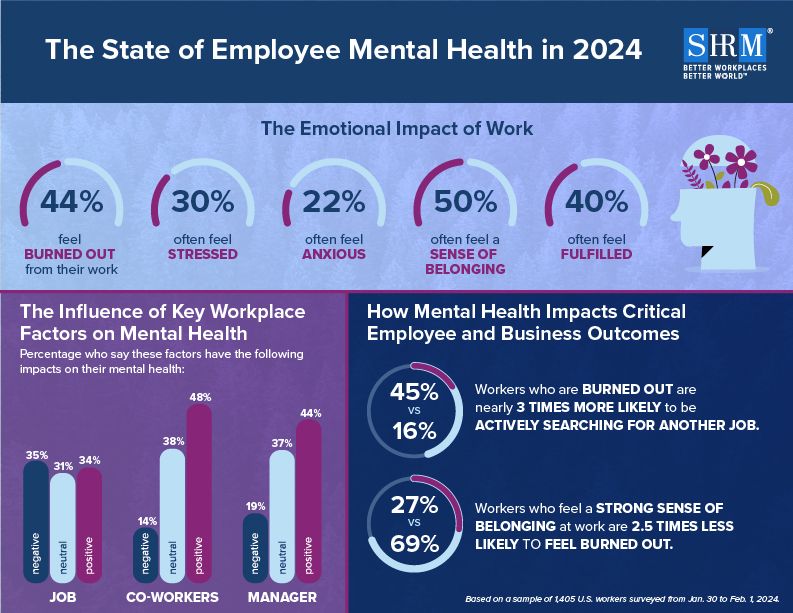
    • Employees experiencing burnout are 40% less likely to go above and beyond their job expectations compared to 56% of those who feel supported in their health and wellness.
    • Businesses that invest in employee wellness programs report lower absenteeism, fewer workplace injuries, and higher overall job satisfaction.
    SHRM Research: Factors affecting employee mental health and burnout statistics
    Source: incentfit.com

    Moreover, wellness initiatives reduce the risk of burnout, absenteeism, and turnover—all of which are costly for small businesses that lack large HR departments and budgets that bigger companies have to manage these challenges.

    Small businesses especially benefit from offering wellness programs because they can have a significant impact on productivity and job satisfaction. Research shows that employees who are mentally and physically well perform better, are more engaged, and are less likely to burn out or leave their jobs. For small businesses that typically have fewer resources, fostering employee wellness can be the key to maintaining a loyal, high-performing team.

    Well-being is closely linked with health and productivity. Research shows that employees who are in good physical, mental, and emotional health are more likely to deliver optimal performance in the workplace than employees who are not. Moreover, wellness initiatives reduce the risk of burnout, absenteeism, and turnover—all of which are costly for small businesses that lack the large HR departments and budgets that bigger companies have to deal with these challenges.1

    How Can Small Businesses Support Employee Wellness?

    While large corporations may have more resources, small businesses still have a wide range of options to offer impactful wellness benefits. Here’s how small businesses can promote wellness in their employees:

    Pension Plans (e.g., SEP Employer Contributions)

    A great way to offer financial security is through pension plans. Small business owners can utilize SEP (Simplified Employee Pension) Plans, which allow for larger contributions than typical 401(k)s, offering a tax advantage to the business and a better retirement plan for the employees.

    • Small businesses can contribute up to 25% of an employee’s compensation or $69,000 (in 2024), whichever is lower.2
    • Unlike traditional 401(k) plans, SEPs are easier to set up and have lower administrative costs, making them more accessible for small businesses.

    Advantages: Contributions are tax-deductible for the business. Employees are immediately 100% vested in the contributions, which improves retention.

    Health Savings Accounts (HSAs)

    HSAs offer employees a tax-advantaged way to save for medical expenses. Offering a match for HSA contributions is an attractive option for small businesses looking to give employees a valuable benefit without a large cost. HSAs are available to employees enrolled in a High Deductible Health Plan (HDHP).

    For 2024, contribution limits are3:

    • $4,150 for individuals
    • $8,300 for families
    • $1,000 catch-up contribution for those over 55

    Employer Match: While not required, offering a match helps employees grow their savings faster and reduces taxable income for both parties.

    Advantages: Tax-free growth and withdrawals for qualified medical expenses. Contributions reduce taxable income for employees.

    Paid Time Off (PTO)

    PTO is essential for maintaining a balanced and productive workforce. Offering vacation time, sick days, or personal days allows employees to rest and recharge, ultimately reducing burnout and increasing long-term productivity. While no federal law mandates PTO in the U.S., many states have specific regulations (e.g., California requires paid sick leave).4

    Flexible Work Schedules and Remote Options

    Allowing employees the flexibility to work from home or adjust their hours can help them maintain a work-life balance. For small businesses, this flexibility shows employees that they are valued and trusted, improving morale and reducing stress. Post-pandemic, flexible work arrangements have become an expected benefit.

    Challenges: Cybersecurity risks with remote work. Maintaining company culture and collaboration.

    Comprehensive Health Plans

    Offering medical, dental, and vision coverage ensures that your employees can access healthcare when needed, without having to worry about the financial strain. Health plans may vary in scope and cost, but even basic coverage can be a great addition to a small business benefits package.

    Small businesses can offer health insurance through the Small Business Health Options Program (SHOP), which provides tax credits to businesses with fewer than 25 employees. Types of health plans to consider: PPO (Preferred Provider Organization), HMO (Health Maintenance Organization), EPO (Exclusive Provider Organization), and HDHP (High Deductible Health Plan).

    Mental Health Support

    Providing mental health benefits, such as Employee Assistance Programs (EAPs), therapy stipends, or mindfulness training, can help employees manage stress and improve overall workplace well-being. Mental health benefits are increasingly viewed as essential, not optional.

    Options for small businesses:

    • Employee Assistance Programs (EAPs): Provide confidential counseling and support.
    • Therapy stipends: Fixed reimbursement for therapy sessions.
    • Mindfulness and resilience training: Tools for stress management and work-life balance.

    Some Additional Benefits

    Professional Development – Reimbursements offered for certifications, courses, and conferences shows that the business values growth.

    Childcare Assistance – Options include on-site childcare, stipends for daycare, or flexible spending accounts (FSAs) for dependent care.

    Financial Wellness Programs – Financial literacy workshops, student loan repayment assistance, and employer-sponsored debt counseling are all options that can reduce financial stress and improve job performance.

    Addressing Common Challenges & Solutions

    As a small business owner, you might be thinking to yourself, “I can’t afford to offer a full benefits package.” The solution to that is to start small! Start with flexible work options, PTO, or an HSA match before expanding your benefits package.

    Administering benefits isn’t as complicated as it seems, and you can work with third-party providers or payroll companies that specialize in small business benefits. If you’re not sure what benefits matter most to your employees, ask them! This is a great opportunity to survey your employees to determine which benefits most matter to them before you implement a program.

    Wellness Is an Investment in Your Business & Your Employees Future

    Providing wellness and benefits packages isn’t just a cost—it’s an investment in your company’s long-term success. For small businesses, this investment can help improve employee satisfaction, reduce turnover, and increase productivity—all of which contribute to a healthier, more successful business.

    While it may seem daunting at first, offering wellness benefits doesn’t have to be expensive. By focusing on the well-being of your employees, you build a team that is more engaged, productive, and loyal. For small businesses, that kind of investment can pay off in a big way.

    Employers must take an active role in supporting employee wellness to create a healthier, more productive workplace where everyone can thrive.

    Further Reading and Information


    References

    1. Gonzales, Matt. “Here’s How Bad Burnout Has Become at Work.” SHRM, 30 Apr. 2024, www.shrm.org.
    2. IRS. “Simplified Employee Pension Plan SEP.” Irs.gov, 2019, www.irs.gov.
    3. IRS. “Publication 969 (2018), Health Savings Accounts and Other Tax-Favored Health Plans.” Irs.gov, 2018, www.irs.gov.
    4. “Division of Labor Standards Enforcement (DLSE).” Www.dir.ca.gov, www.dir.ca.gov.
  • Celebrating Women in Construction Week

    Celebrating Women in Construction Week

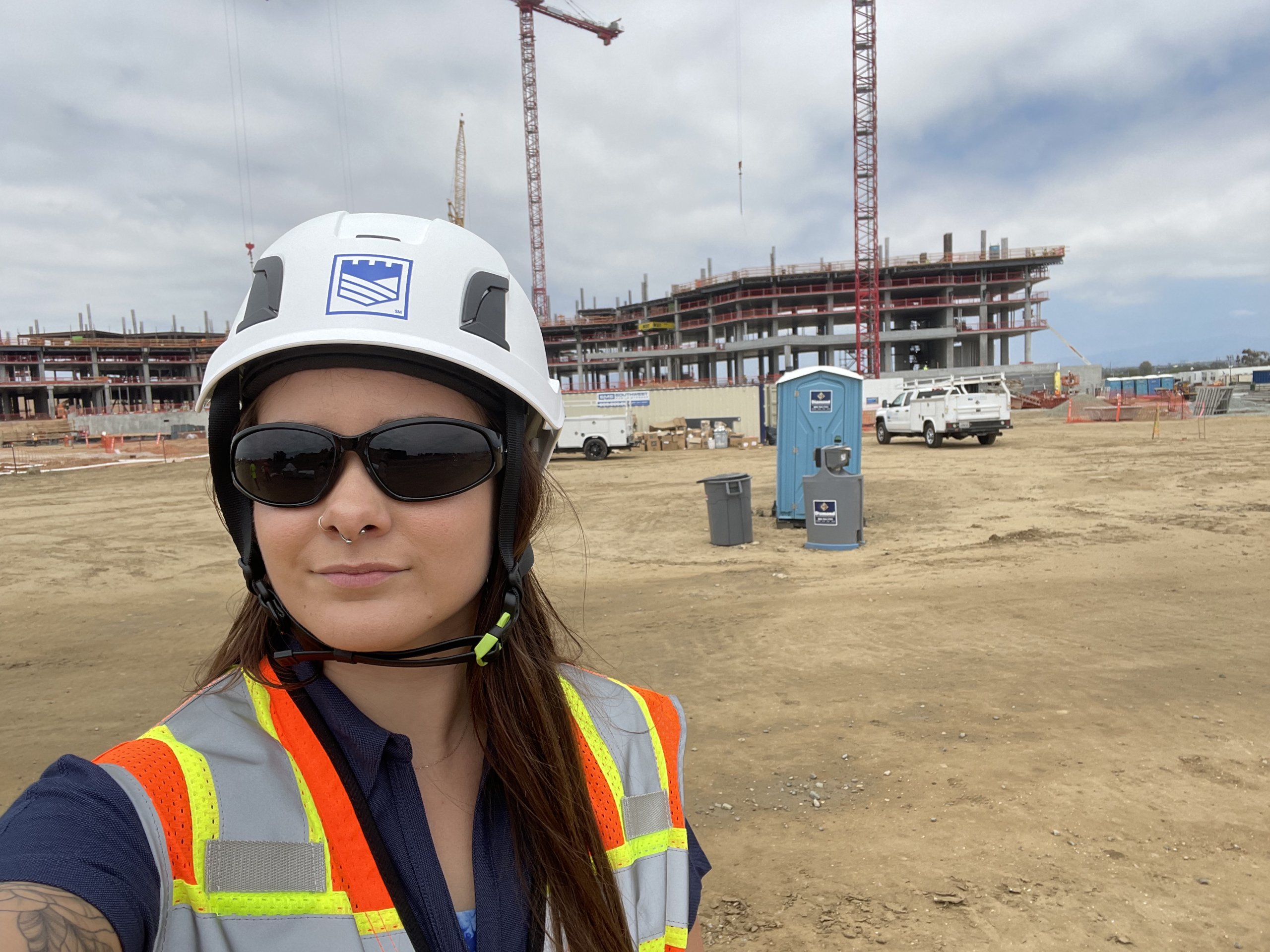
    Co-Owner of Parrish Construction, Autumn Pressley at the McCarthy/Mortenson Joint Venture Gaylord Pacific Hotel and Convention Center Project Site
    Pictured: Co-Owner of Parrish Construction, Autumn Pressley at the McCarthy/Mortenson Joint Venture Gaylord Pacific Hotel and Convention Center Project Site

    What is Women in Construction Week?

    Women in Construction week is a week-long event that celebrates and advocates for women in the construction industry. This annual event was founded by the National Association of Women in Construction (NAWIC) in 1998 to spread awareness about systemic issues that affect women in a traditionally male-dominated industry.

    This year, Women in Construction Week is March 2nd–8th with the theme “Together We Rise.” Every year, this week provides free training, educational resources, and networking to help women in construction develop their professional skills and foster an inclusive workplace.

    Women in Construction: Fast Facts

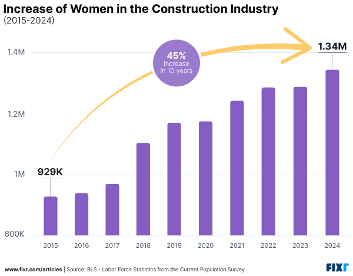
    • In the last decade, the number of women in construction has increased by 45%.1
    • As of 2025, there are over 1.3 million women employed in construction nationwide.2
    • In 2023, women made up 10.8% of the construction workforce in the United States.3
    • 39% of women in construction are in leadership roles.4
    • The gender wage gap has decreased by 16.8%.5
    Chart showing the increase of women in the construction industry from 2015 to 2024
    Source: Fixr.com — Data from the U.S. Bureau of Labor Statistics, Current Population Survey

    Challenges & Stereotypes

    Construction has typically been a male-dominated field so there are plenty of stereotypes that can create a toxic environment and make women feel isolated or underestimated. Often, women are faced with skepticism in their abilities or must prove themselves significantly more than their male counterparts. Some of the common misconceptions that women face is that they aren’t strong enough, they’re less skilled, they’re better suited for administrative and support roles, and that they are unable to lead effectively in a traditionally male-dominated field. Women may also encounter behavior from subtle microaggressions to overt harassment and without accountability measures, this often creates a hostile work environment.

    How Women Are Shaping the Future of Construction

    Despite the challenges women face, The National Association of Women in Construction continues to report a steady increase in women taking on supervisory and managerial roles. Studies and industry surveys also consistently show that women perform technical tasks and operate machinery just as effectively as their male counterparts. Research from firms like McKinsey indicate that companies with diverse leadership teams that include women are more innovative and profitable—sometimes showing a 21% higher likelihood of above-average performance compared to less diverse teams.

    Looking Ahead

    More women enter the construction industry every year who advocate for change and rise to leadership positions, so companies are finally beginning to recognize the need to create a more inclusive and supportive environment.

    As a woman co-owned small business, Parrish Construction is committed to diversity and representation in the industry, while fostering an inclusive workplace where everyone can thrive. As we continue to grow, we are dedicated to empowering women in construction and promoting continued change in the industry. One thing we know for certain is that gender doesn’t determine success—skills, passion, and dedication do.


    References

    1. Martincevic, Irena. “Fixr.com | Women in Construction Week 2024: Management Role Increases and Other Key Statistics.” Www.fixr.com, 25 Feb. 2025.
    2. Jones, Jonathan. “Cities with the Most Women in Construction [2024 Edition] – Construction Coverage.” Construction Coverage, 2 Feb. 2024.
    3. “Women in Construction Reached Record High in 2023.” Nahb.org, 10 Sept. 2024.
    4. Martincevic, Irena. “Fixr.com | Women in Construction Week 2024: Management Role Increases and Other Key Statistics.” Www.fixr.com, 25 Feb. 2025.
    5. Picatoste, X., Mesquita, A. & González-Laxe, F. “Gender wage gap, quality of earnings and gender digital divide in the European context.” Empirica 50, 301–321 (2023).