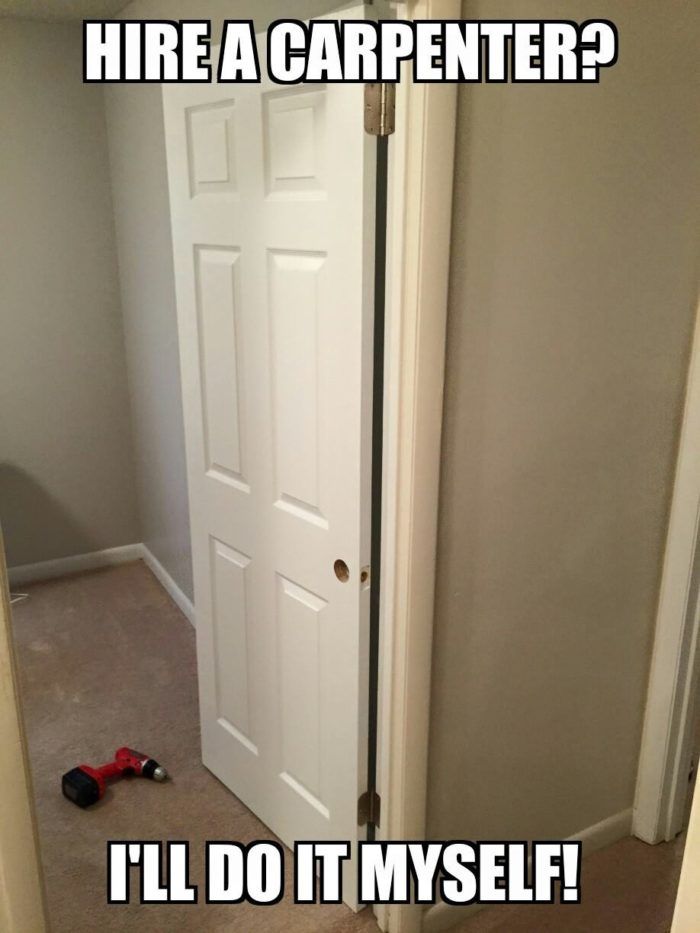
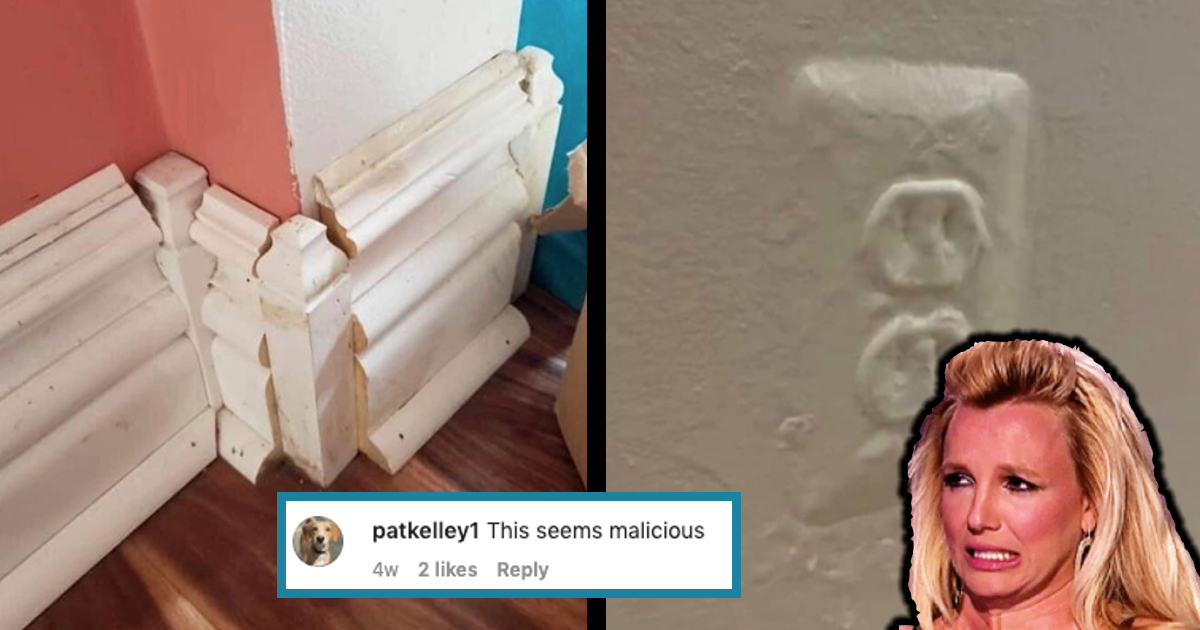
DIY projects can be incredibly rewarding. There’s a certain pride that comes from building something with your own hands and for smaller home updates, it can absolutely make sense. But when it comes to bigger renovations, complex systems, or anything that affects the long-term value of your home, it’s worth considering the advantages of bringing in a professional. That’s why I want to give you 10 reasons why hiring a contractor might just be the smartest move for your next home project so you can decide for yourself if DIYing is worth it.
Perfect!
10 Reasons to Hire a Contractor
Contractors Bring Years of Hands-On Experience
What might be new territory for a homeowner is often something a contractor has done dozens (or hundreds) of times. That depth of experience helps prevent costly mistakes and keeps the project moving smoothly.
DIY Can Be More Expensive Than It Looks
It’s easy to underestimate the cost of tools, materials, and “do-overs.” Contractors often get better pricing, waste less, and already have the equipment on hand which saves you money in the long run.
Safety Isn’t Something to Wing
From ladder work to electrical wiring to structural changes, some home improvement projects come with real safety risks. Contractors are trained to work within those risks safely and they’re insured if something goes wrong.
Codes & Permits Can Be Complicated
Navigating local building codes and permit requirements can be tricky. Contractors know what’s needed to stay compliant, pass inspections, and avoid surprises down the line.
Specialized Tools = Extra Costs
If you’ve ever started a project and realized halfway through that you need a $200 tool you’ll never use again… you’re not alone. Contractors come with the tools and know-how to use them efficiently.
There’s nothing wrong with doing a good-enough job yourself, but contractors are trained to deliver work that holds up over time and looks polished. That matters for resale value, daily function, and long-term satisfaction.
Time Is a Major Factor
Even the most motivated DIYer is still juggling jobs, family, and a social life. A contractor can dedicate full-time focus to the project, keeping things moving forward without dragging into “someday” territory.
You Get Accountability
Working with a licensed contractor means you have a clear agreement, defined timelines, and someone who’s responsible for the results. It’s peace of mind that’s hard to put a price on.
Less Stress, Fewer Surprises
Coordinating trades, sourcing materials, and solving mid-project challenges takes a lot of mental bandwidth. Contractors handle all of that—so you don’t have to play project manager after work or on your weekends.
It’s an Investment in Peace of Mind
Hiring a professional doesn’t mean you’re giving up control—it means you’re prioritizing quality, safety, and long-term value. Your home is one of your biggest investments, and sometimes the best way to care for it is to trust the experts.
Finishing Thoughts
DIY has its time and place and if you truly do love the process, go for it. But when the project gets big, complex, or has high stakes, a contractor can offer expertise, efficiency, and peace of mind that’s hard to match. Think of it not as a shortcut, but as a smarter way to get the job done right!
If your remodeling estimate has come in higher than expected, you’re not alone — and there’s a good reason for it. Across the country, material prices are increasing due to rising tariffs on goods like cabinetry, stone, tile, and fixtures. For example, tariffs on imported cabinetry can add 10–25% to the base cost before they even reach your contractor. Similarly, recent trade policies have affected everything from lumber to appliances, creating price surges and supply chain delays.
These changes are often out of our hands but at Parrish Construction, we believe clients deserve transparency about where these costs come from and how we’re adapting.
What Are Tariffs?
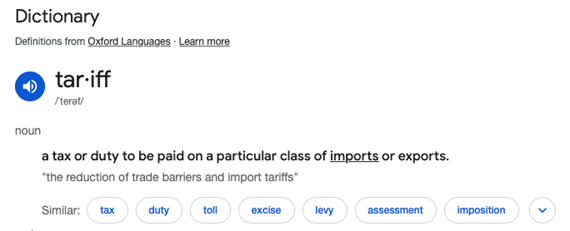
Tariffs are essentially taxes on imported goods, designed to make those goods more expensive and encourage people to buy locally instead.1 They are often used to protect domestic industries from foreign competition. In simple terms, if a country puts a tariff on imported cars, it will raise the price of foreign cars, making them less competitive with locally produced cars. However, when a country imposes a tariff, the importer pays the tax but then adds that tax onto the goods for consumers. Ultimately these taxes don’t affect the importer – it affects those who are buying the goods.
Where Tariffs Hit the Industry
It’s not just existing tariffs causing cost increases, it’s the anticipation of new tariffs that can trigger price hikes, too. When vendors or manufacturers expect tariffs to be imposed, they often raise prices early to offset future costs or disruptions. This uncertainty makes budgeting difficult for suppliers and contractors alike, especially in an industry where materials must often be ordered weeks or months in advance. In some cases, companies raise prices across the board (as much as 20%) as a proactive measure to protect profit margins.
Cabinetry & Vanities
Many are imported from China, and 25% tariffs remain in effect.2
Some brands are shifting production to other countries, but that takes time.
Custom cabinetry and fixtures, which are already longer-lead items, are more affected by international supply issues.
Clients can save time and money by exploring high-quality domestic or stock-grade alternatives.
Prices have stabilized somewhat since the pandemic spikes but remain elevated.
Tile & Stone
Tariffs and fuel costs for global shipping have affected imports from Italy, Turkey, and Spain.4
Lead times for premium stone and tile may be longer.
Appliances
Components for refrigerators, ovens, and dishwashers may be subject to tariffs on steel and electronics.
Some appliance brands have increased prices by 8–15% in 2024–2025.5
Plumbing & Electrical Materials
Industry analysts predict that tariffs will lead to higher prices on building materials integral to facilities operations, including HVAC, plumbing, and electrical components.6
Tariffs on eight of the top 10 exporters of HVAC and water-heating equipment are as high as 46%.7
Manufacturers and suppliers are working to adjust their supply chains in response to these tariffs, but these changes take time and may lead to temporary shortages or delays in the availability of certain products.
Faucets, showerheads, and valves that are typically imported are facing a 25% tariff.
Cast iron components often used in plumbing are facing anti-dumping duties as high as 235%.8
Copper wiring prices have risen by 18% since January 2025, steel conduit costs are up 14%, and electrical panels now cost 22% more on average due to combined steel and copper tariffs.9
What This Means for You
Material costs are increasing and not because of contractor markups, but due to tariffs and availability.
Some selections may need to be substituted or ordered well in advance.
Delays in delivery or installation are more likely with imported items.
Planning early helps lock in pricing before further changes hit.
How We’re Responding at Parrish Construction
Sourcing materials locally whenever possible
Staying informed on tariff developments
Helping clients make smart substitutions to stay within budget
Being transparent about quotes and potential price shifts
When the Estimate Doesn’t Match the Budget
It’s not uncommon for clients to come to us excited about a remodel, only to feel deflated when the estimate doesn’t align with what they hoped to spend. It’s okay to feel that way and we’re here to work through it with you.
Tariffs and supply chain disruptions are frustrating because they affect what feels like the “fun part” of remodeling — choosing finishes, visualizing your new space, and watching the transformation unfold. But unexpected cost increases don’t mean the dream has to be delayed or abandoned. It may just require a different approach.
That’s why we spend extra time during the design and pre-construction phases. Whether it’s shifting the project scope, adjusting timelines, or recommending value-engineered alternatives, our goal is to help you stay excited about your remodel — not overwhelmed by it.
Our role isn’t just to build, it’s to guide you throughout the entire process. We’ll help you prioritize, problem-solve, and plan with transparency every step of the way.
Smart Ways to Stay on Budget Without Sacrificing Style
Remodeling doesn’t always have to mean starting from scratch. If tariffs or rising costs are pushing your project out of budget, there are creative ways to scale back without giving up your vision:
Reface or repaint existing cabinets instead of replacing them entirely.
Keep your layout intact — moving plumbing or electrical lines adds significant cost.
Refresh fixtures and hardware for a modern look without major construction.
Focus on high-impact areas, like a new backsplash or countertop, rather than overhauling the whole kitchen or bath.
Choose alternative materials that offer a similar aesthetic at a lower price point (e.g., quartz instead of marble, LVP instead of hardwood).
Stagger your project — consider completing your remodel in phases to spread out the investment over time.
A thoughtful, well-planned approach can still yield beautiful results, even with today’s pricing challenges. We’re happy to guide you through these decisions and help tailor a plan that makes the most of your budget.
We know rising costs can feel frustrating but with proactive planning and open communication, we can still create beautiful, functional spaces that meet your vision and budget. If you have questions or want to start planning ahead, let’s talk!